
The Rise of Modern Public Transit in Vietnam
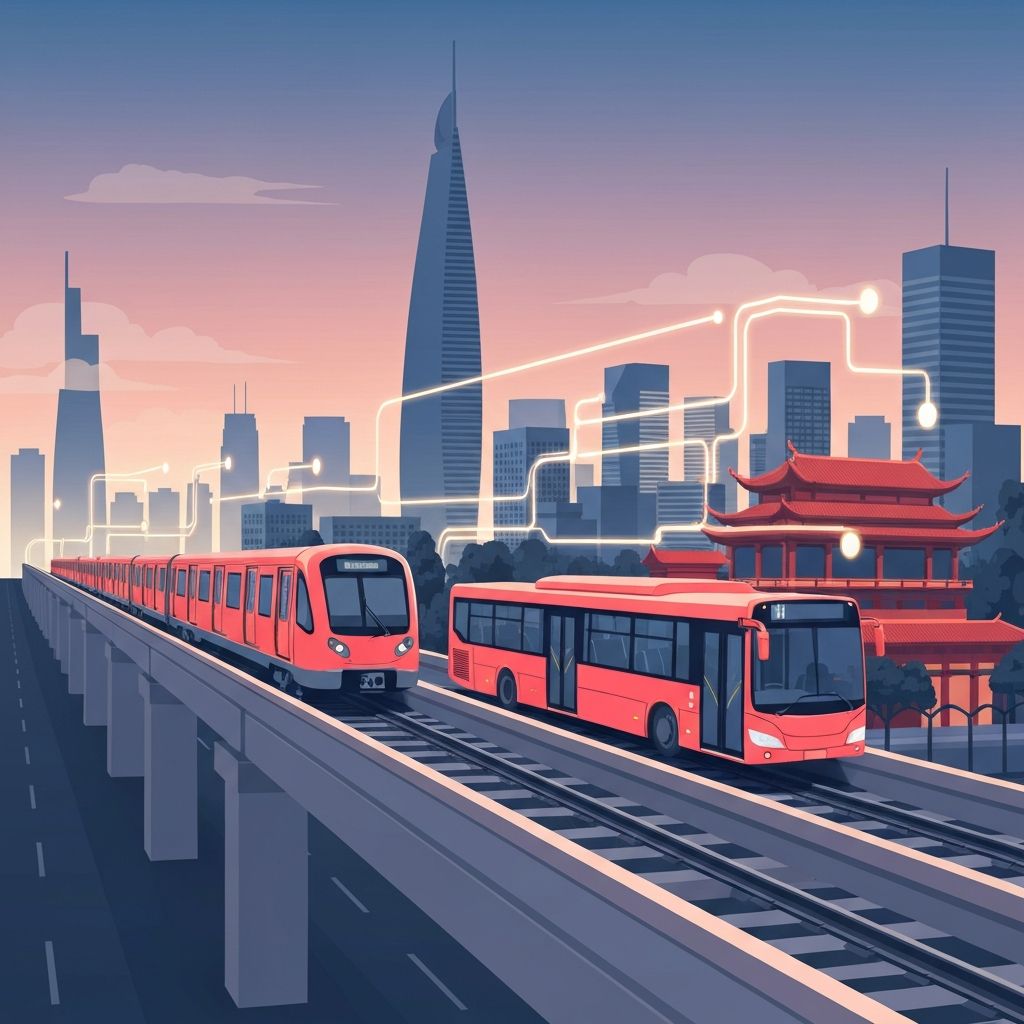
Vietnam's major cities, particularly Hanoi and Ho Chi Minh City, are facing rapid urbanization and rising traffic congestion. Public transit has become a key part of the solution, with new metro lines, bus rapid transit (BRT), expanded bus networks, and water-based transport reshaping how people commute. Investments in modern, eco-friendly fleets and digital ticketing systems are accelerating this transformation.
Here are the top public transit services that are improving daily life and supporting sustainable urban mobility in Vietnam.
1. Hanoi Metro
Hanoi Metro has marked a major milestone in Vietnamese urban transport with the opening of its first elevated and underground lines. The system connects key districts, eases traffic congestion, and offers a fast and comfortable alternative to motorbikes and cars. New lines under construction will further expand coverage.
2. Ho Chi Minh City Metro
Ho Chi Minh City Metro is gradually opening its first line, linking Ben Thanh in the city center to outer districts in the east. With modern stations, air-conditioned trains, and dedicated rights-of-way, the metro is set to transform mobility in Vietnam's largest city as more lines come online.
3. Hanoi Bus Rapid Transit (BRT)
Hanoi BRT operates dedicated bus lanes on selected corridors, offering faster and more reliable service than regular city buses. Modern buses, level boarding platforms, and frequent service make it an attractive option for many commuters and a model for future BRT expansions.
4. Transerco Buses (Hanoi)
Transerco is the main operator of public buses in Hanoi, running a large fleet across the city and surrounding areas. The company continues to modernize its vehicles, including the introduction of low-emission and electric buses, and offers integrated ticketing options for commuters.
5. Saigon Bus / Saigon Public Transport
Public buses in Ho Chi Minh City, operated by Saigon Bus and other cooperatives, form the backbone of mass transit in the city. With routes covering most districts, frequent service, and affordable fares, buses play a vital role in connecting residents, students, and workers across the urban area.
6. VinBus
VinBus is a Vietnamese operator focused on electric buses, helping to introduce cleaner public transit in major cities such as Hanoi and Ho Chi Minh City. With modern interiors, quieter operation, and zero tailpipe emissions, VinBus is a strong symbol of the country's push for greener mobility.
7. Da Nang Public Buses
Da Nang has developed a growing network of urban and suburban bus routes, supporting one of the most livable cities in Vietnam. Public buses connect the city center, the airport, beach areas, and nearby provinces, making them popular with both residents and tourists.
8. Sai Gon Waterbus
Sai Gon Waterbus offers a unique river-based public transit option in Ho Chi Minh City. It connects piers along the Saigon River and provides commuters and tourists with a scenic and traffic-free alternative for crossing parts of the city.
9. Hanoi Waterbus and Tourist Boats
While not as extensive as the road network, water-based transport in Hanoi is being developed for tourism and selected commuter use. These services offer a relaxing way to experience the city's rivers and lakes, complementing the broader transit ecosystem.
10. Provincial Bus Networks
Beyond major cities, provincial bus operators run intercity routes that connect smaller towns and rural areas to urban centers. Many of these networks have been modernized with better stations, online ticketing, and improved buses, supporting regional development and access to economic opportunities.
Digital Ticketing and Integration
One of the biggest changes in Vietnamese public transit is the rise of digital ticketing. Smart cards, QR codes, and mobile apps make it easier to pay for trips, transfer between modes, and plan journeys. Integration between metro, BRT, and bus systems is a key priority for transit planners.
Sustainability and Future Outlook
Vietnam is investing in cleaner public transit, including electric buses, energy-efficient metro systems, and improved walking and cycling infrastructure around stations. These efforts aim to reduce air pollution, lower greenhouse gas emissions, and create more livable cities for future generations.
Tips for Using Public Transit
For first-time users, it helps to download local transit apps that show routes, schedules, and fare information. Plan ahead during peak hours, when buses and metros can be crowded. Keep small change handy for traditional buses and consider smart cards for frequent travel. Be mindful of belongings and follow local etiquette, such as giving up seats to elderly passengers and pregnant women.
Conclusion
Public transit in Vietnam is entering an exciting era of modernization, with new metro lines, BRT corridors, electric buses, and water-based services improving urban mobility. The operators listed above are shaping a future where commuting is faster, cleaner, and more comfortable. As infrastructure continues to expand, public transit will play an even greater role in connecting people across cities and regions.
