
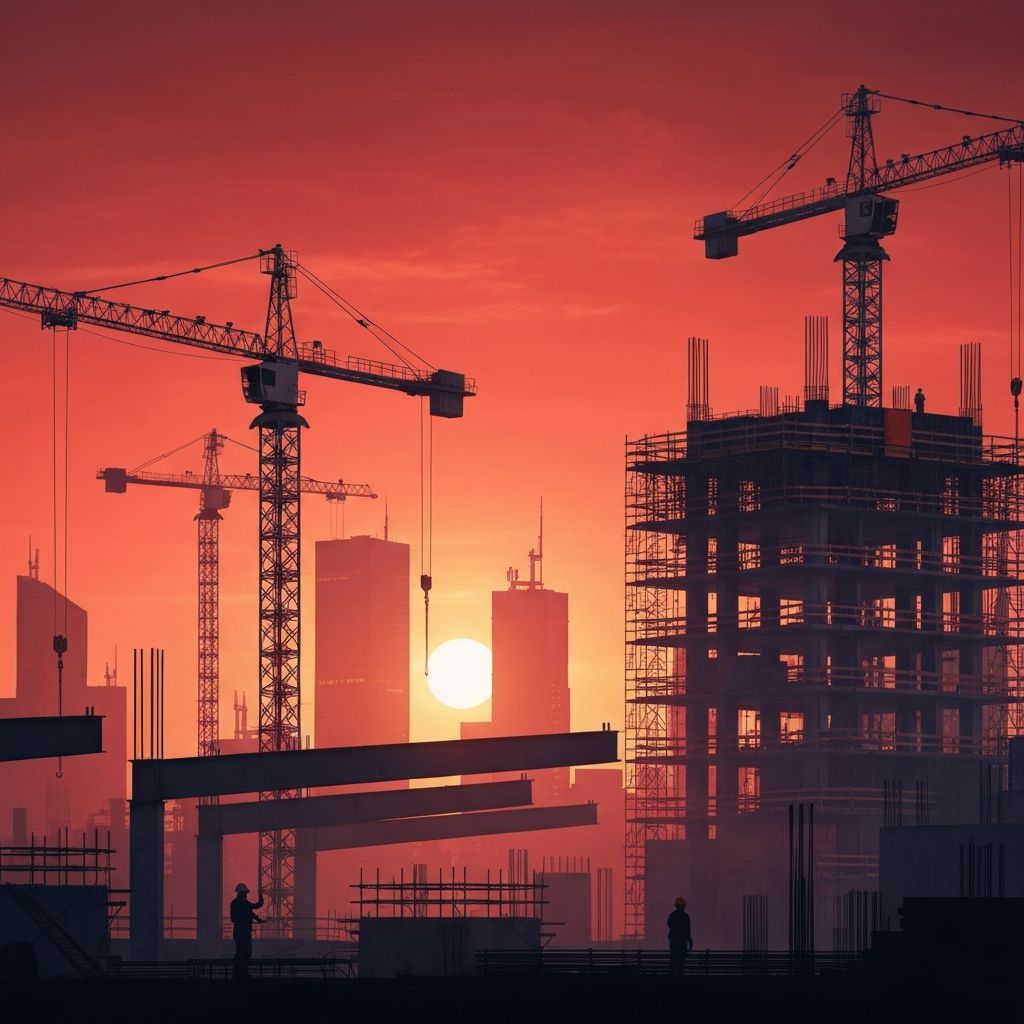
Nigeria's Booming Construction Sector
Nigeria's construction industry is one of the fastest-growing in Africa, fueled by urbanization, population growth, and government infrastructure investments. From skyscrapers in Lagos to road networks in Abuja and oil installations in the Niger Delta, general contractors play a central role in shaping the country's built environment. The best contractors combine engineering expertise, project management discipline, and deep local knowledge to deliver complex projects on time and within budget.
What General Contractors Do
General contractors oversee construction projects from inception to completion. Their responsibilities include project planning, sourcing materials, managing labor, coordinating subcontractors, ensuring regulatory compliance, and delivering finished structures that meet client expectations. They serve as the central point of accountability throughout the construction lifecycle.
1. Julius Berger Nigeria Plc
Julius Berger is arguably Nigeria's most iconic construction firm. With decades of experience, the company has delivered landmark projects including bridges, airports, government buildings, and industrial facilities. Their engineering capabilities and rigorous quality standards have set benchmarks across the industry.
2. Cappa & D'Alberto Plc
Cappa & D'Alberto has been a major player in Nigerian construction for over half a century. The company specializes in commercial buildings, hospitals, schools, and high-rise developments. Their reputation rests on consistent quality, technical capability, and reliable project delivery.
3. RCC Nigeria Limited (Reynolds Construction Company)
RCC has built some of Nigeria's most important roads, bridges, and civil infrastructure. Their engineering depth and large equipment fleet position them as a top choice for federal and state government projects.
4. Arbico Plc
Arbico is a publicly listed contractor known for executing complex commercial and institutional projects. Their portfolio includes banks, headquarters, hotels, and educational facilities, all delivered with a strong focus on quality and safety.
5. ITB Nigeria Limited
ITB Nigeria has earned recognition for delivering office towers, residential complexes, and shopping centers. Their commitment to international construction standards and modern building techniques makes them a preferred partner for premium developments.
6. Lekki Concession Company (LCC)
While primarily known for road infrastructure, LCC has expanded into broader construction services across Lagos. Their experience in public-private partnerships gives them unique expertise in complex, multi-stakeholder projects.
7. CCECC Nigeria Limited
CCECC, with its strong international backing, has delivered major infrastructure projects in Nigeria including railways, airports, and stadiums. Their access to global resources and advanced technology adds significant value to their work.
8. Costain (West Africa) Plc
Costain has a long history in Nigerian construction, focusing on infrastructure, oil and gas facilities, and industrial buildings. Their engineering pedigree and strong safety culture set them apart in challenging project environments.
9. Hitech Construction Company Limited
Hitech specializes in roads, bridges, and large-scale earthworks. They have completed numerous federal highway projects and continue to be active in expanding Nigeria's transportation infrastructure.
10. CGC Nigeria Limited
CGC Nigeria rounds out the list with its expertise in road construction and civil works. Their nationwide presence, modern equipment fleet, and dedicated workforce make them a reliable partner for large-scale public infrastructure projects.
Industry Trends Shaping Nigerian Construction
The Nigerian construction sector is evolving rapidly. Sustainable building practices are gaining traction, with more contractors integrating green design, energy efficiency, and locally sourced materials. Digital tools like Building Information Modeling (BIM), drone surveys, and project management software are improving accuracy and accountability. Public-private partnerships continue to drive large infrastructure projects, while modular construction is emerging as a faster, cost-effective alternative for select projects.
Challenges in the Industry
Despite its growth, the industry faces challenges such as fluctuating material costs, currency volatility, regulatory hurdles, and skilled labor shortages. Top contractors mitigate these by maintaining strong supplier relationships, investing in workforce training, and adopting risk management strategies that protect project timelines and budgets.
How to Choose the Right General Contractor
Selecting a general contractor requires careful evaluation. Review past projects, check certifications and licenses, verify financial stability, and request detailed proposals. Visit ongoing job sites to observe quality and safety practices. Strong contractors will provide transparent contracts, clear timelines, and ongoing communication throughout the project. References from previous clients can also offer valuable insights.
The Importance of Safety and Compliance
Reputable contractors prioritize health, safety, and environmental compliance. Adherence to Nigerian building codes, occupational safety standards, and environmental regulations ensures both worker protection and project legitimacy. The best contractors invest in safety training, protective equipment, and regular site audits.
Conclusion
Nigeria's top general contractors are foundational to the country's economic development. Their work shapes cities, supports industries, and improves quality of life for millions. Whether building hospitals, highways, or housing estates, these contractors deliver projects that stand the test of time. Choosing the right contractor is not just about cost; it is about partnering with professionals who bring expertise, integrity, and reliability to every project.
