
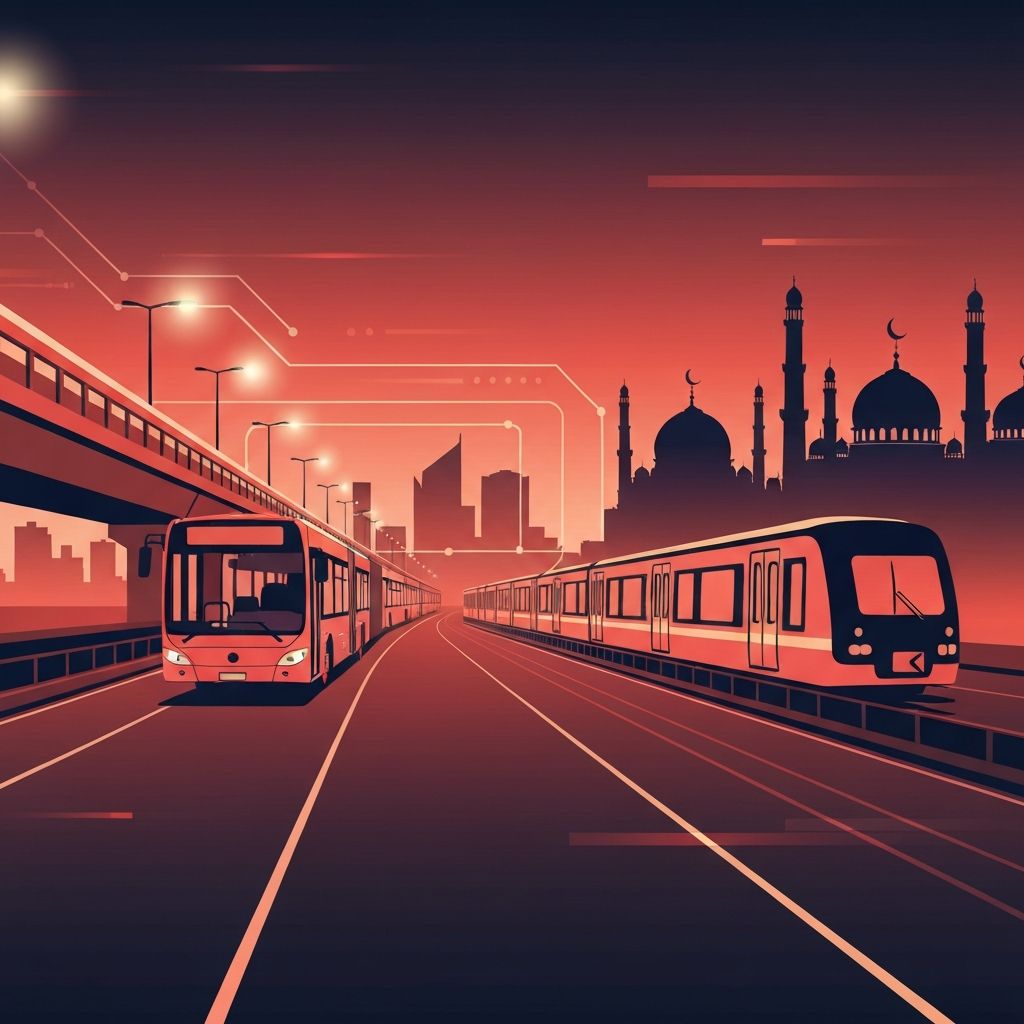
The Evolution of Public Transit in Pakistan
Public transit in Pakistan has undergone a remarkable transformation over the past two decades. Once dominated by aging minibuses and informal wagon services, the country's transport landscape has evolved with the introduction of modern Bus Rapid Transit (BRT) systems, electric metro lines, and state-of-the-art intercity coach networks. Major urban centers — including Lahore, Karachi, Islamabad, Rawalpindi, Multan, and Peshawar — now offer organized, schedule-based transit options that have made commuting safer, faster, and more affordable for millions of citizens.
The best public transit systems in Pakistan combine modern infrastructure, electronic ticketing, dedicated lanes, and accessibility features to serve diverse passenger needs. Below is a curated list of the leading public transit services shaping urban and intercity mobility across the country.
1. Lahore Metrobus
The Lahore Metrobus, operated under the Punjab Mass Transit Authority, was Pakistan's first BRT system. Running along a dedicated corridor from Gajumata to Shahdara, it carries hundreds of thousands of passengers daily. With air-conditioned buses, electronic ticketing through smart cards, and elevated stations, it set the benchmark for modern urban transit in Pakistan.
2. Orange Line Metro Train (Lahore)
The Orange Line is Pakistan's first metro train system, connecting Ali Town to Dera Gujran across 27 kilometers and 26 stations. Built under the China–Pakistan Economic Corridor, it features modern automated trains, accessible stations, and seamless integration with the Lahore Metrobus, making it a flagship achievement in Pakistani urban transit.
3. Rawalpindi-Islamabad Metrobus
Connecting the twin cities of Rawalpindi and Islamabad, this BRT system operates on a dedicated corridor between Saddar and Pak Secretariat. Its extension to the New Islamabad International Airport has made it the country's first airport-linked metro service, providing affordable transport to travelers and commuters alike.
4. Karachi BRT (TransPeshawar's sister project under SMTA)
Karachi has been progressively rolling out BRT corridors under the Sindh Mass Transit Authority. Lines such as the Green Line BRT, with modern hybrid buses, dedicated lanes, and elevated stations, have brought relief to one of Asia's busiest cities and represent a major step forward in urban transit for Karachi's millions of daily commuters.
5. TransPeshawar (Zu Peshawar BRT)
The Peshawar BRT, branded as Zu Peshawar, is one of Pakistan's most advanced BRT systems. It uses environmentally friendly hybrid diesel-electric buses, features a fully digital fare system through Zu Cards, and offers covered stations with escalators and ramps for accessibility. It has won regional recognition for design and operations.
6. Daewoo Express
Daewoo Express is Pakistan's most reputable intercity coach service, with a network connecting major cities such as Karachi, Lahore, Islamabad, Faisalabad, Multan, and Peshawar. Known for punctuality, professional drivers, modern Volvo and Daewoo coaches, and amenities like onboard refreshments and Wi-Fi, it sets the gold standard for long-distance travel.
7. Faisal Movers
Faisal Movers is a popular intercity bus company offering multiple service classes — from economy to premium business — across a wide network of routes. With affordable fares, frequent departures, and modern coaches, it is a strong competitor in Pakistan's intercity transit market.
8. Skyways
Skyways operates a large fleet of buses connecting cities and towns across Punjab, Sindh, and Khyber Pakhtunkhwa. It is favored for its budget-friendly pricing, multiple departure times, and presence in many secondary cities that other carriers do not fully serve.
9. Pakistan Railways
Pakistan Railways remains the backbone of long-distance public transit, connecting cities from Karachi to Peshawar via thousands of kilometers of track. Trains such as the Green Line Express, Karakoram Express, and Pakistan Express offer comfortable cabins, sleeper berths, and dining services, making rail travel a popular and scenic option.
10. Bykea and Local Ride-Hailing Mobility
While not traditional public transit, services like Bykea, Careem, and inDrive have become essential components of Pakistan's urban mobility ecosystem. With motorcycle taxis, rickshaw integrations, and shared rides, these platforms complement formal public transit systems and offer affordable last-mile connectivity for daily commuters.
Benefits of Modern Public Transit in Pakistan
Modern public transit systems have brought numerous benefits to Pakistani cities. They have reduced traffic congestion, lowered carbon emissions, improved road safety, and provided affordable mobility for low- and middle-income households. Women in particular have benefited from designated seating areas, secure stations, and well-lit waiting platforms, making travel safer and more accessible. Universities, students, daily wage workers, and office commuters all rely on these systems to navigate increasingly large and busy cities.
Future of Public Transit in Pakistan
The future of public transit in Pakistan is shifting toward sustainability and digital integration. Electric buses, solar-powered stations, smart card interoperability across cities, and mobile apps that combine route planning, ticketing, and real-time tracking are becoming increasingly common. Plans for additional metro lines in Karachi, BRT expansion in smaller cities, and railway modernization promise even more options for commuters in the years ahead. As Pakistan's urban population grows, robust public transit will remain essential to economic productivity, social inclusion, and environmental responsibility.
