
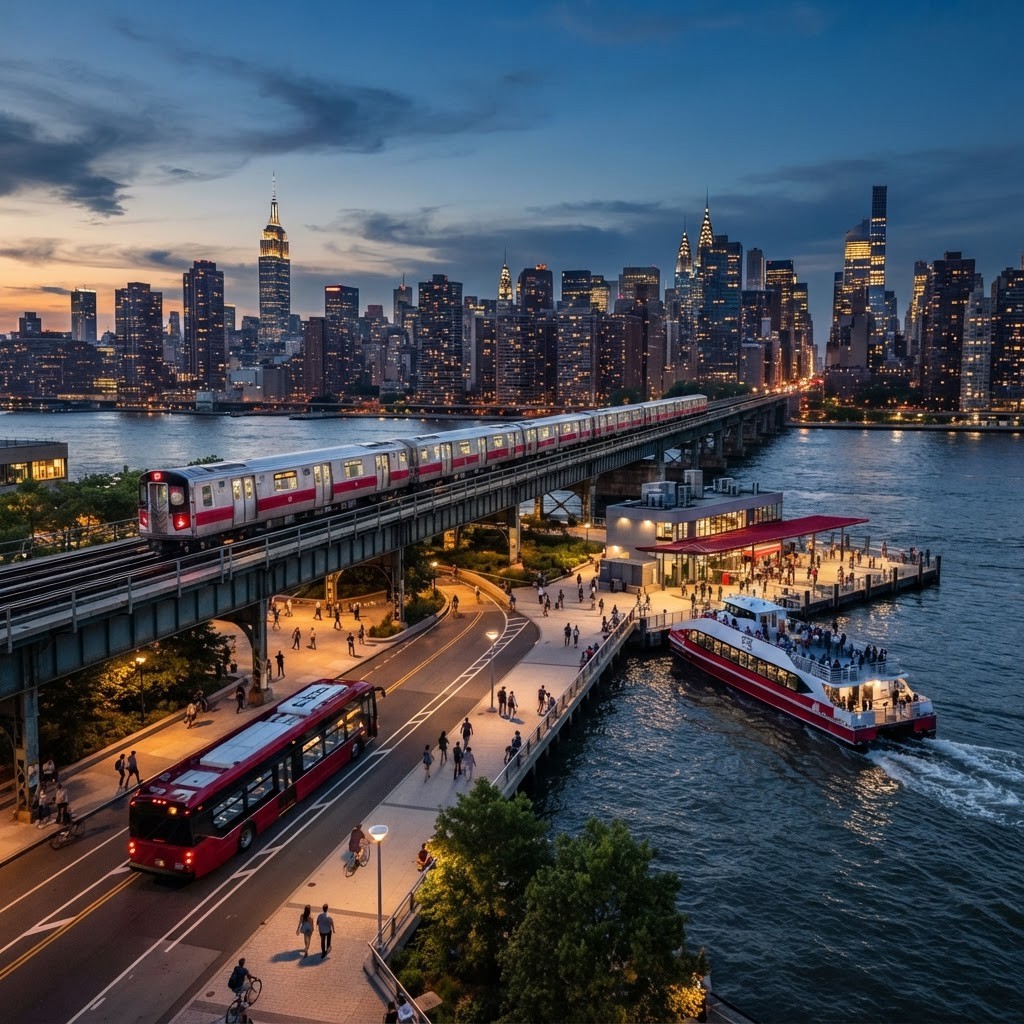
Navigating New York Without a Car
Public transportation is often the fastest and most economical way to move around New York. The system is not a single network but a collection of services covering city neighborhoods, suburbs, airports, waterfront communities, and nearby states. Contactless payment and trip-planning tools have made many journeys easier, yet riders still benefit from understanding each operator’s geography, fare structure, and transfer rules.
1. New York City Subway
The subway is the backbone of city transportation, serving Manhattan, Brooklyn, Queens, and the Bronx around the clock. It offers unmatched reach and avoids street traffic, making it the first choice for many commutes and sightseeing trips. Riders should check service changes, especially overnight and on weekends, and distinguish between local and express trains before boarding.
2. MTA Local and Select Bus Service
City buses reach neighborhoods and crosstown corridors that subway lines do not serve. Local routes stop frequently, while Select Bus Service uses measures such as off-board payment or dedicated lanes on certain corridors to improve speed. Buses are valuable for accessible travel because the fleet accommodates mobility devices, though congestion can affect journey times.
3. Long Island Rail Road
The Long Island Rail Road connects Manhattan and Brooklyn with Queens and communities throughout Long Island. It is faster than many local alternatives for longer east-west journeys and serves major hubs including Jamaica. Fare zones, peak rules, and branch schedules require attention. The railroad is useful for commuters, airport connections via Jamaica, and weekend trips.
4. Metro-North Railroad
Metro-North runs from Grand Central Terminal toward the Hudson Valley and Connecticut. Its central terminal, comfortable seating, and scenic routes make it attractive for both commuting and leisure. The Hudson, Harlem, and New Haven lines serve different regions, so passengers should confirm the correct line, stop pattern, ticket type, and last return train.
5. NYC Ferry
NYC Ferry connects waterfront neighborhoods across multiple boroughs. It offers open views and can make certain trips more pleasant than crowded land routes. Ferries are especially useful where origins and destinations are near landings, but they may require a bus, subway, walk, or bicycle connection. Weather and boarding capacity can affect service during busy periods.
6. Staten Island Ferry
The Staten Island Ferry links the Whitehall Terminal in Lower Manhattan with St. George on Staten Island. It is a crucial commuter service and also provides memorable harbor views. Connections at St. George include local buses and the Staten Island Railway. Travelers should allow enough time to leave one vessel and pass through the terminal before the next departure.
7. Staten Island Railway
The Staten Island Railway runs along the island’s eastern side and coordinates many trips with the ferry. It gives residents a dependable rail corridor separate from street congestion. The service is most useful when combined with local buses, walking, or pickup at neighborhood stations, and schedules should be reviewed outside peak commuting periods.
8. PATH
PATH connects Manhattan with Jersey City, Hoboken, Harrison, and Newark. It is essential for cross-Hudson commuters and serves major downtown districts on both sides of the river. Routes differ by time of day, particularly late at night and on weekends. PATH uses a fare system distinct from the subway, so riders should not assume every transfer is free.
9. NJ Transit
NJ Transit operates rail and bus services between New York and communities throughout New Jersey. Trains use Penn Station, while many buses use the Port Authority Bus Terminal or other entry points. It is also a common route to Newark Liberty International Airport. Fare zones, separate tickets, and service disruptions should be checked before travel.
10. AirTrain JFK
AirTrain JFK circulates among airport terminals and connects with subway and Long Island Rail Road services at Jamaica and Howard Beach. It avoids road congestion around the airport and is particularly useful for travelers with manageable luggage. Riders should account for the full transfer journey, including station walking, fare payment, and terminal changes.
Tips for Better Transit Trips
Plan with real-time information rather than relying only on a static map. Weekend maintenance can reroute subway trains, commuter schedules may vary, and elevator outages matter to passengers with luggage or mobility needs. Allow extra time for airport and intercity connections. During busy periods, standing away from doors and moving into the vehicle improves boarding for everyone.
The best service depends on the trip. Subways excel within the city, buses fill neighborhood gaps, commuter rail saves time over longer distances, and ferries create direct waterfront links. Using two services together is often more effective than expecting one route to cover the entire journey. New York’s public transit network rewards riders who compare options and remain flexible when conditions change.
