
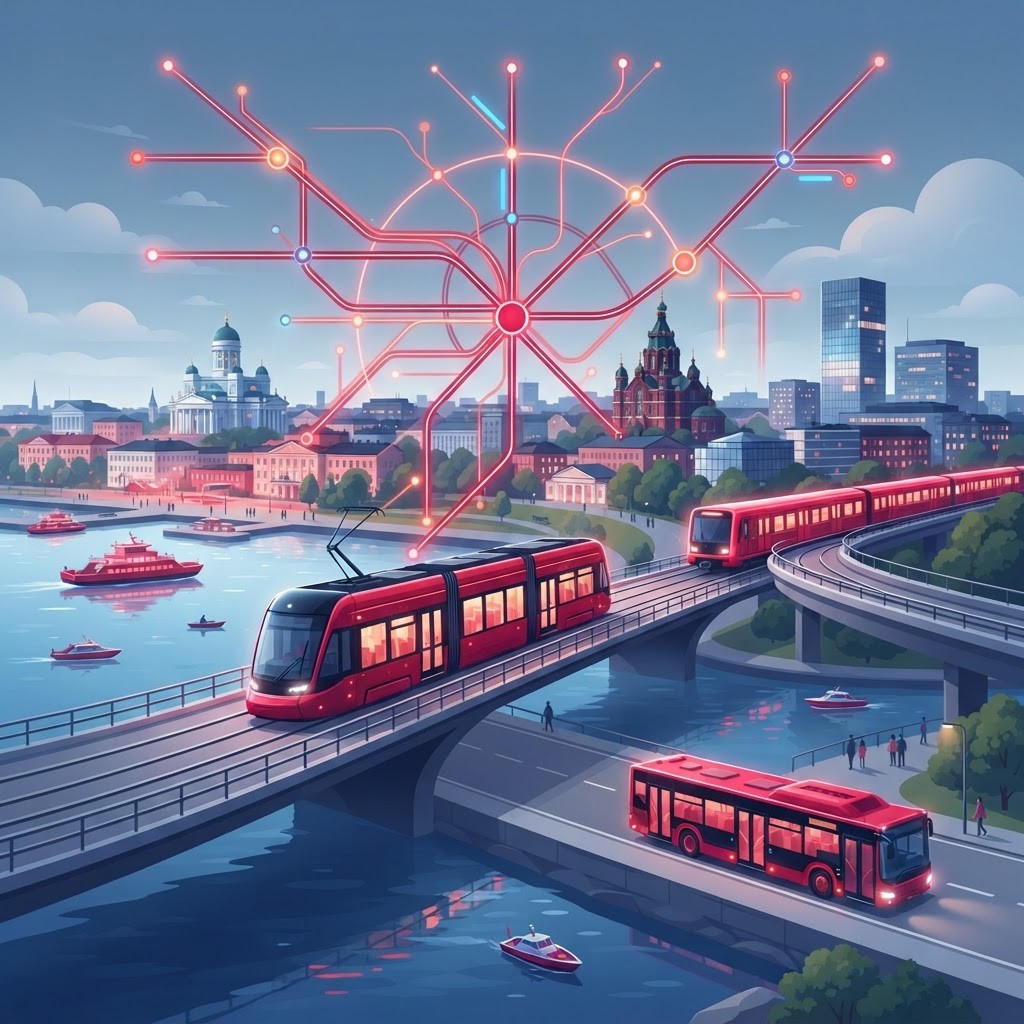
Public Transit at the Heart of Finnish Life
Public transport is deeply woven into daily life in Finland, offering an efficient, affordable, and environmentally friendly way to move around cities and regions. From the trams and metro of Helsinki to regional buses linking towns across the country, Finnish transit systems are known for reliability and smart integration. Well-coordinated schedules, easy ticketing, and a strong focus on accessibility make public transport a preferred choice for many residents.
Sustainability lies at the core of Finland's transit philosophy. Electric buses, expanding tram networks, and clean rail services support the country's climate goals while reducing congestion and improving urban air quality. This commitment to green mobility has made Finnish cities models for sustainable transport planning.
What Sets Finnish Transit Apart
Integration is a defining strength of public transit in Finland. Regional transport authorities coordinate buses, trams, trains, ferries, and metro services under unified ticketing systems, allowing passengers to travel seamlessly across modes with a single pass. Mobile apps provide real-time information, journey planning, and easy payment, enhancing the passenger experience.
Accessibility and comfort are also priorities. Low-floor vehicles, clear signage, and reliable service ensure that transit is available to all, including elderly passengers and those with reduced mobility. Frequent services in urban areas and thoughtfully planned regional routes keep communities connected.
Leading Public Transit Services in Finland
HSL (Helsinki Region Transport) coordinates buses, trams, the metro, commuter trains, and ferries in the capital region, offering one of the most integrated and user-friendly transit systems in the country.
Helsinki City Transport (HKL) operates the metro and tram infrastructure in Helsinki, supporting the region's growing rail-based mobility.
Nysse (Tampere Region Transport) manages buses and the modern tram network in Tampere, providing efficient urban mobility in Finland's second-largest city region.
Föli (Turku Region Transport) delivers integrated bus services across the Turku area, known for its convenient ticketing and electric buses.
Waltti-based regional authorities coordinate transit in numerous cities, offering unified ticketing and journey planning across the country.
Nobina Finland is a major bus operator running services for regional authorities, recognized for its expanding fleet of electric buses.
Koiviston Auto Group operates extensive bus services across multiple regions, contributing to reliable urban and intercity connections.
Pohjolan Liikenne provides bus transport for regional authorities, supporting daily commuting and regional travel.
VR commuter rail complements urban transit with frequent train services connecting suburbs to city centers, particularly in the Helsinki region.
Onnibus offers affordable intercity coach travel, linking major towns and cities with convenient long-distance services.
Trends Shaping Public Transit
Electrification is transforming Finnish transit, with cities rapidly expanding their electric bus fleets and investing in tram networks. These clean vehicles reduce emissions and noise, improving quality of life in urban areas while advancing national climate targets.
Digital innovation is also enhancing the passenger experience. Mobility-as-a-service platforms, real-time apps, and contactless payment make travel more convenient, while data-driven planning helps authorities optimize routes and frequencies to match demand.
The Future of Mobility in Finland
Finland's public transit continues to evolve toward greater sustainability and integration. Ongoing investments in tram lines, electric fleets, and digital services promise even smoother, greener journeys in the years ahead. By prioritizing reliability, accessibility, and clean mobility, the authorities and operators profiled here ensure that public transport remains a cornerstone of Finnish life, connecting communities efficiently while protecting the environment for future generations.
Affordability and Social Inclusion
Public transit in Finland is valued not only for its efficiency but for the role it plays in social inclusion. Affordable fares, discounted passes for students, seniors, and children, and integrated ticketing ensure that mobility is available to people across all walks of life. This accessibility helps reduce reliance on private cars, easing financial pressure on households while keeping cities less congested. By treating mobility as a shared public good rather than a luxury, Finnish transit authorities support a more equitable society where everyone can reach work, education, healthcare, and leisure regardless of income or personal circumstances.
Designing Cities Around Transit
Finnish urban planning increasingly places public transport at the center of city design. New residential and commercial developments are often built around tram lines, metro stations, and bus corridors, encouraging residents to travel sustainably from the outset. This transit-oriented approach reduces urban sprawl, shortens commutes, and creates vibrant, walkable neighborhoods. As cities like Helsinki, Tampere, and Turku continue to grow, the close coordination between transport authorities and urban planners ensures that mobility keeps pace with development. This forward-thinking strategy is key to maintaining the high quality of life that Finnish cities are known for.
For residents and visitors alike, the result is a transport experience that is easy, affordable, and dependable. Whether commuting to work, exploring a new city, or traveling between regions, passengers can rely on well-coordinated services that respect both their time and the environment. As Finland continues to invest in clean, integrated mobility, its public transit systems stand as a model of how thoughtful planning can connect people and communities while advancing a more sustainable future.
