
Understanding Chicago's Transit Network
Chicago is built around movement. Its dense downtown, far-reaching neighborhoods, two major airports, and broad suburban job centers require a mix of rail, bus, and demand-responsive transportation. The best option depends on the trip: a daily Loop commute calls for something different from an airport transfer, suburban journey, or late-night neighborhood connection. Riders should compare coverage, frequency, accessibility, transfer options, and service alerts rather than focusing on a single mode.
The following services stand out for their usefulness, scale, or specialized role. Together they form a connected regional network that gives residents and visitors alternatives to driving, especially when parking costs and expressway congestion are considered.
1. Chicago Transit Authority
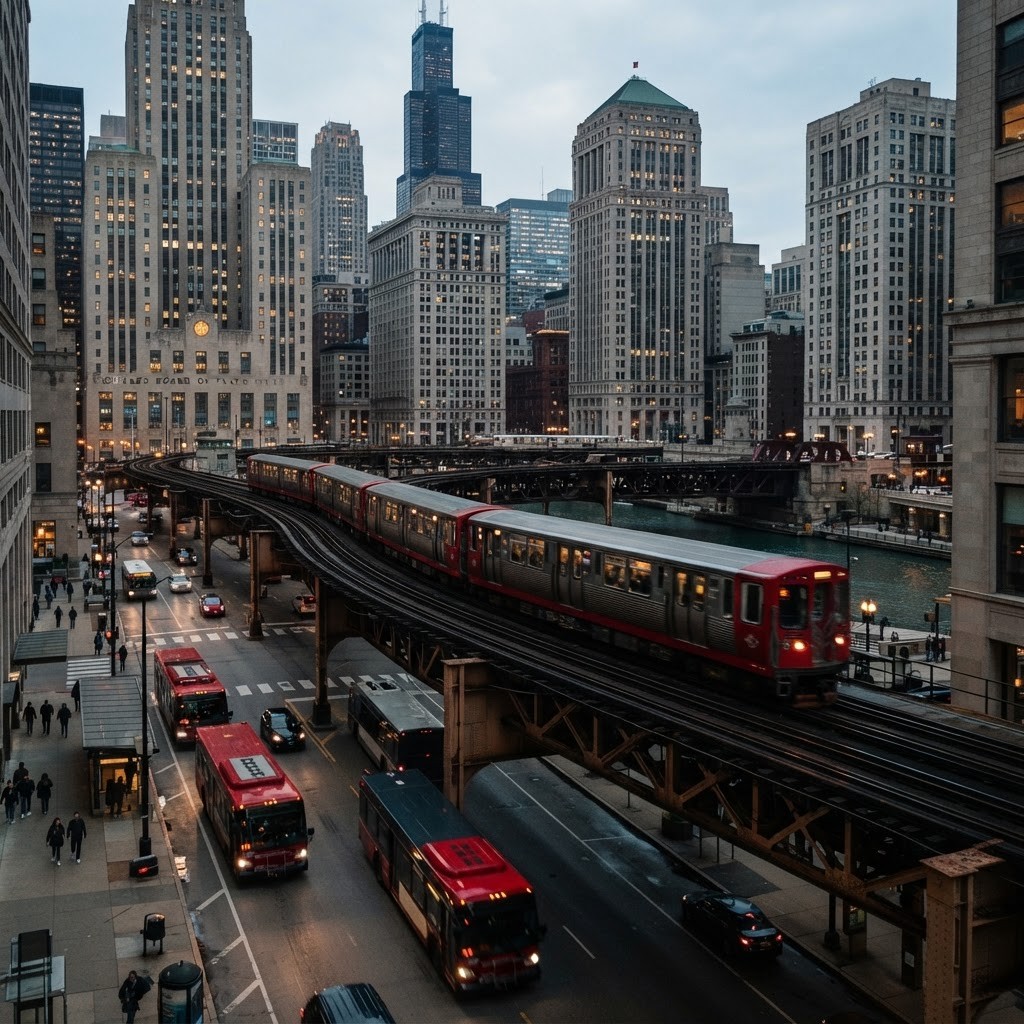
The Chicago Transit Authority, commonly known as CTA, is the backbone of city travel. Its rail system and extensive bus network connect the Loop with neighborhoods on every side of Chicago. Rail service is particularly useful for predictable travel through congested corridors, while buses provide finer neighborhood coverage. Contactless fare payment, real-time arrival information, accessible vehicles, and a large transfer network make CTA the most versatile choice for most urban trips.
2. Metra
Metra is the region's commuter rail specialist, linking downtown terminals with suburbs and outlying communities. It is especially valuable for longer peak-hour trips where local transit would require multiple transfers. Riders benefit from comfortable seating, scheduled service, and direct access to major employment corridors. Hybrid work has encouraged more flexible fare products, making Metra increasingly relevant beyond the traditional five-day commute.
3. Pace Suburban Bus
Pace fills important mobility gaps across suburban Cook County and the collar counties. Its fixed bus routes serve shopping districts, business parks, residential areas, and connections to CTA and Metra stations. Pace is a strong option for riders whose trips begin or end outside Chicago's dense core, and its regional role makes coordinated trip planning much easier.
4. Pace Pulse
Pace Pulse offers a more streamlined bus experience on selected high-demand corridors. Limited stops, upgraded stations, more recognizable vehicles, and transit-priority features help reduce delays. For riders traveling along corridors such as Milwaukee Avenue, Pulse can provide a useful middle ground between local buses and rail.
5. CTA Blue Line
The Blue Line deserves separate recognition because it provides around-the-clock rail service between O'Hare International Airport, the Northwest Side, downtown, and the West Side. It is often the most economical airport connection and avoids uncertain expressway travel times. Travelers with luggage should allow extra time during construction or busy periods and review elevator availability before departure.
6. CTA Red Line
The Red Line is one of Chicago's most important north-south corridors. It connects major destinations including Rogers Park, Lakeview, the Loop, Chinatown, and the South Side, with service operating throughout the day and night. Its frequent schedule and connections to other rail lines make it particularly useful for entertainment, education, healthcare, and commuting trips.
7. CTA Orange Line
The Orange Line connects Midway International Airport with downtown while serving Southwest Side communities along the route. It offers a straightforward airport option and convenient transfers around the Loop. Riders appreciate the ability to bypass road congestion, although operating hours should be checked for very early or late flights.
8. South Shore Line
The South Shore Line links downtown Chicago with communities in Northwest Indiana, including access toward South Bend. It serves commuters, students, airport-area workers, and leisure travelers heading to destinations along the southern Lake Michigan corridor. Ongoing infrastructure investment has aimed to improve speed, frequency, and reliability.
9. Chicago Water Taxi
Chicago Water Taxi turns the river into a practical seasonal transportation corridor. It can connect central destinations while offering a memorable view of the city's architecture. Service is more limited than rail or bus and varies by season, so it works best as a planned supplement rather than a primary year-round commute.
10. Divvy
Although it is a bike-share system rather than conventional mass transit, Divvy is integrated into Chicago's public mobility landscape. Stations and dockless options help riders cover the first or last mile between transit stops and final destinations. Electric-assist bikes expand the practical range, while protected bike lanes make some routes increasingly approachable.
How to Choose the Right Service
Start with the complete trip, including walking, waiting, transfers, and the final mile. Use CTA for broad city coverage, Metra for longer radial suburban travel, and Pace for suburban connections. Airport riders can compare rail convenience with luggage needs and flight times. Accessibility requirements, weather, service changes, and personal comfort should also shape the decision.
Chicago's strongest advantage is not one route but the ability to combine services. A Metra journey can continue by CTA bus, while Divvy may complete a short final segment. Planning around these connections produces a more reliable, economical, and sustainable way to experience the region.
