
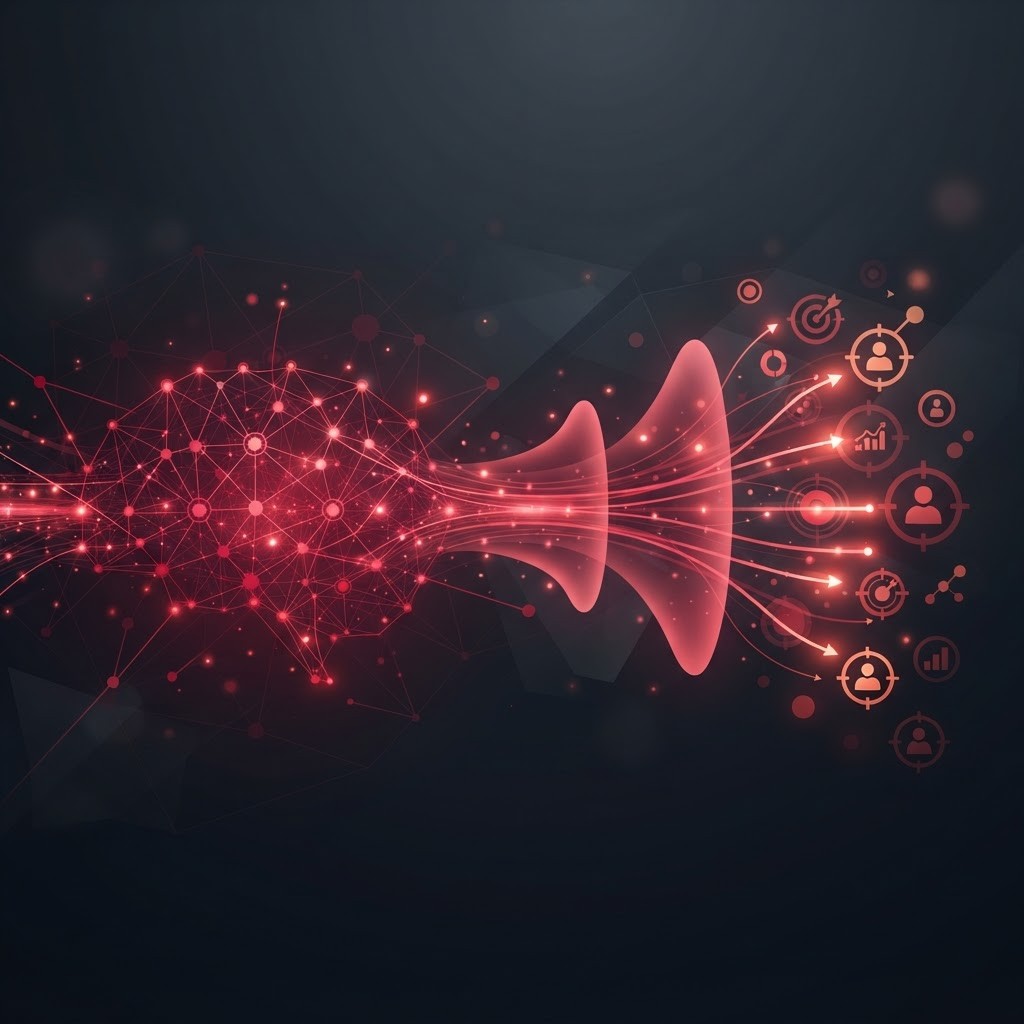
Artificial intelligence has quietly become the engine behind nearly every modern marketing decision. From the ads that follow you across the web to the product recommendations that feel almost telepathic, AI now influences how brands find, engage, and convert their audiences. What once required large teams and weeks of manual analysis can now happen in seconds, giving marketers the ability to act on insights the moment they emerge. The result is a discipline that is faster, more personalized, and increasingly measurable.
Partnering With AAMAX.CO for AI-Driven Marketing
For businesses trying to keep pace with these changes, AAMAX.CO offers a practical path forward. As a full-service digital marketing company serving clients worldwide, they help brands integrate artificial intelligence into every stage of the customer journey. Their team combines strategy, creativity, and technology to build campaigns that learn and improve over time. Whether a company needs smarter targeting, automated content workflows, or advanced digital marketing support, they provide the expertise to make AI work for real business goals rather than as a buzzword.
From Mass Messaging to Hyper-Personalization
One of the most profound changes AI has introduced is the shift from broad, one-size-fits-all messaging to genuine personalization at scale. Machine learning models analyze browsing behavior, purchase history, and engagement patterns to predict what each individual customer wants next. This allows brands to serve tailored emails, product suggestions, and offers that feel relevant rather than intrusive. Personalization was once a luxury reserved for enterprises with deep resources, but AI has made it accessible to businesses of every size.
Importantly, this personalization is dynamic. Instead of relying on static customer segments, AI continuously updates its understanding as new data arrives. A shopper who suddenly begins researching a new category will start seeing relevant content almost immediately, keeping the brand experience fresh and responsive.
Smarter Content Creation and Ideation
Generative AI has transformed how marketing content is produced. Copywriters and designers now use AI tools to draft blog posts, generate ad variations, brainstorm campaign concepts, and even create images. This does not replace human creativity; instead, it accelerates it. Teams can test dozens of headline variations or visual styles in the time it once took to produce a single option.
The value here is speed and volume without sacrificing quality. Marketers can produce more experiments, learn faster, and double down on what resonates. The best results come when human editors refine AI outputs to ensure they match brand tone, accuracy, and emotional nuance.
Predictive Analytics and Better Decisions
AI excels at spotting patterns that humans would miss. Predictive analytics uses historical data to forecast future outcomes, such as which leads are most likely to convert, which customers are at risk of churning, and when demand for a product will spike. Armed with these predictions, marketers can allocate budgets more efficiently and focus their energy where it will have the greatest impact.
This shift moves marketing from reactive to proactive. Rather than waiting for a campaign to underperform, teams can anticipate problems and adjust in advance. The compounding effect of many small, data-informed decisions can dramatically improve return on investment over time.
Automation of Repetitive Tasks
Marketing involves countless repetitive tasks: scheduling posts, sending follow-up emails, updating bids, tagging leads, and generating reports. AI-powered automation handles these efficiently, freeing human talent for strategy and creativity. Chatbots answer common customer questions around the clock, while automated workflows nurture leads through carefully designed sequences.
This automation also reduces human error and ensures consistency. Campaigns run smoothly even outside business hours, and customers receive timely responses that keep them engaged. The cumulative time savings allow lean teams to accomplish what previously required much larger departments.
Real-Time Optimization
Perhaps the most powerful change is the ability to optimize campaigns in real time. AI systems monitor performance continuously and adjust targeting, creative, and spending automatically. If one audience segment responds better than another, the system reallocates budget instantly. This constant refinement means campaigns rarely sit idle in an underperforming state.
Real-time optimization also extends to pricing, product placement, and website experiences. Many brands now use AI to test and adjust page layouts, calls to action, and offers based on live visitor behavior, squeezing more value from every visit.
Challenges Marketers Must Navigate
Despite the benefits, AI introduces new responsibilities. Data privacy is a growing concern, and brands must be transparent about how they collect and use customer information. Over-automation can also make communication feel impersonal if not balanced with genuine human touch. Additionally, AI models can reflect biases present in their training data, so oversight remains essential.
The most successful marketers treat AI as a partner rather than a replacement. They combine machine efficiency with human empathy, judgment, and creativity to build campaigns that are both effective and authentic.
The Road Ahead
AI has already changed marketing profoundly, and the pace of innovation shows no sign of slowing. As models grow more capable, expect even deeper personalization, more sophisticated content generation, and tighter integration across channels. Brands that embrace these tools thoughtfully will enjoy a lasting competitive advantage, while those that hesitate risk falling behind. Working with an experienced partner can make the difference between experimenting with AI and truly mastering it, turning today's rapid change into tomorrow's sustainable growth.
