
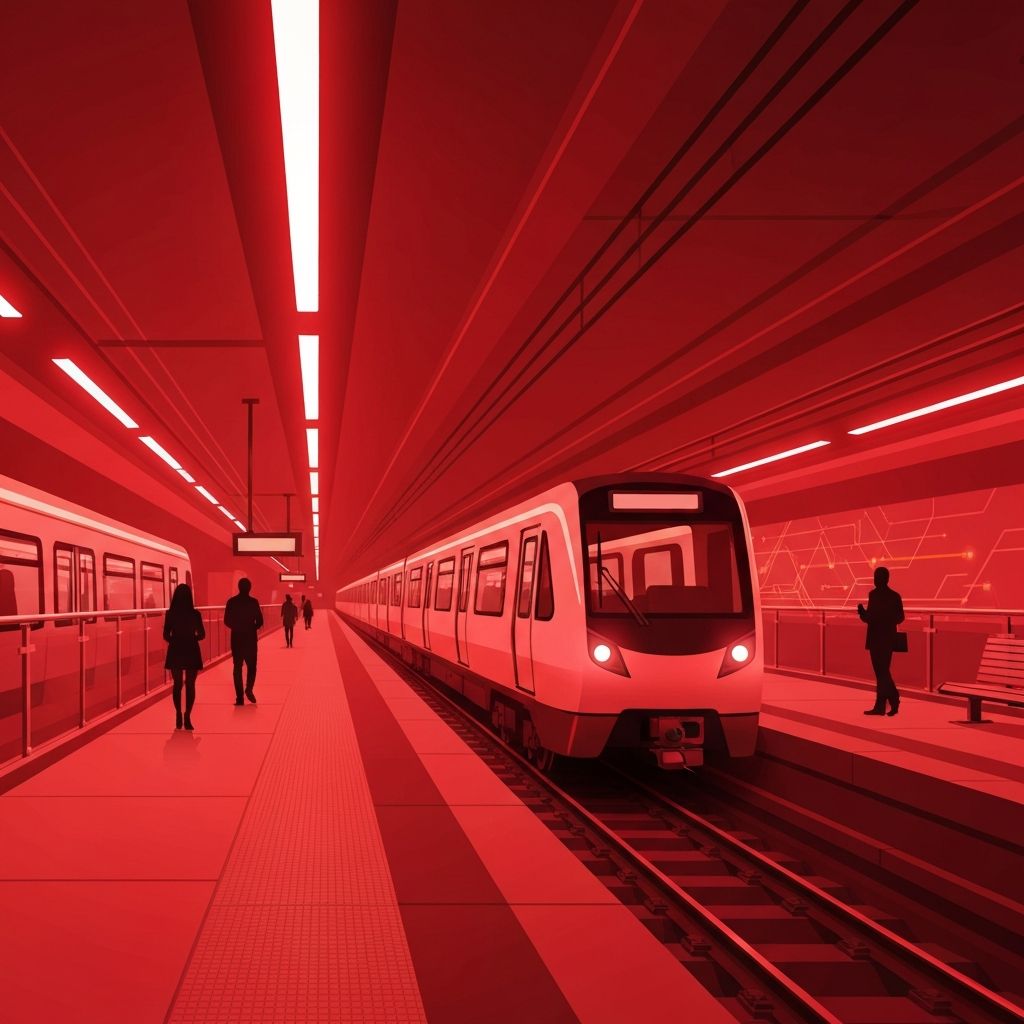
Public Transit: Connecting Brazilian Cities
Public transit is a fundamental part of daily life in Brazilian metropolitan areas. Millions of commuters depend on metros, buses, BRT corridors, light rail systems, and ferries to move efficiently across cities. Brazil's largest urban regions, including Sao Paulo, Rio de Janeiro, Brasilia, Belo Horizonte, Porto Alegre, and Recife, operate complex transit networks that serve as the backbone of urban mobility. Public transit is essential not only for daily commutes but also for reducing traffic congestion, lowering emissions, and improving quality of life.
Why Strong Transit Systems Matter
In a country where road congestion can be intense, well-organized transit systems are critical. Public transit reduces dependency on private cars, supports economic activity, and ensures social inclusion by providing affordable mobility for millions. Operators must continuously invest in modernization, safety, and technology to meet rising expectations and the challenges of growing urban populations.
1. Metro Sao Paulo
Metro Sao Paulo operates one of the largest and busiest subway networks in Latin America. With multiple lines connecting key parts of the metropolitan area, it is a vital component of daily commuting for residents and visitors.
2. ViaQuatro and ViaMobilidade
ViaQuatro and ViaMobilidade operate concession-managed metro lines in Sao Paulo, known for high-quality stations, modern trains, and digital passenger services. These operators have raised the standards of metro travel in the city.
3. CPTM
CPTM operates commuter rail lines in Greater Sao Paulo, connecting the city center with surrounding municipalities. Its extensive network handles millions of passengers daily and continues to receive significant investment.
4. MetroRio
MetroRio operates the metro system of Rio de Janeiro, offering an efficient and clean alternative to road traffic. The system covers strategic urban areas, including major tourist destinations.
5. SuperVia
SuperVia is Rio de Janeiro's commuter rail operator, serving multiple municipalities in the metropolitan region. It plays a key role in connecting suburban areas with the city's economic center.
6. Trensurb
Trensurb operates the metropolitan train system serving Porto Alegre and surrounding cities. The network is essential for daily commuting in the Southern region and continues to modernize through new investments.
7. Metro Brasilia
Metro Brasilia connects the Federal District with strategic urban areas, supporting commuters who depend on safe and efficient public transit. The system is known for organized operations and integrated services.
8. BRT TransOeste, TransCarioca, and TransOlimpica
The BRT systems in Rio de Janeiro are large dedicated bus corridors that move tens of thousands of passengers daily. These services significantly improve urban mobility in the city.
9. Metro Belo Horizonte
Operated by the local concessionaire, the Belo Horizonte metro provides a backbone for commuters in the metropolitan region. Modernization plans aim to expand its capacity and reach.
10. Metro Recife
The Recife metro serves the metropolitan region of Pernambuco with multiple lines connecting suburban areas to the city center. The system is critical for daily commuting in the Northeast.
The Role of Buses and BRTs
While metros and trains often dominate the spotlight, buses still account for the majority of public transit trips in Brazil. BRT systems provide dedicated lanes, faster travel times, and high passenger capacity, dramatically improving urban mobility. Cities like Curitiba pioneered BRT systems decades ago, and others have expanded networks to support growing urban populations.
Technology and Integration
Modern public transit in Brazil is becoming increasingly integrated. Smart cards, mobile ticketing apps, real-time arrival information, and multimodal route planners help passengers move seamlessly between buses, metros, trains, and ferries. Some cities are integrating bike-sharing and ride-hailing services into transit hubs to support first and last-mile connections.
Sustainability and Mobility Goals
Brazilian transit systems are investing in electric buses, energy-efficient trains, and infrastructure upgrades that align with sustainability goals. These initiatives aim to reduce emissions, improve air quality, and create more livable cities. Mobility-as-a-service platforms are also emerging, integrating multiple transport options into single digital experiences.
Choosing How to Move
Commuters in Brazil benefit from a variety of options depending on their city. Metros and trains are typically faster for long urban distances, while buses provide flexibility and broader coverage. BRT corridors offer dedicated lanes that significantly cut travel times. Ferries are essential in cities like Rio de Janeiro and Salvador, connecting coastal communities with central districts.
Conclusion
Brazil's public transit systems are essential to the social and economic life of the country. The operators and services highlighted above continue to invest in expansion, modernization, and digital integration, ensuring better mobility experiences for millions of passengers. As cities evolve, public transit will remain a cornerstone of urban planning, sustainability, and quality of life across Brazil.
