
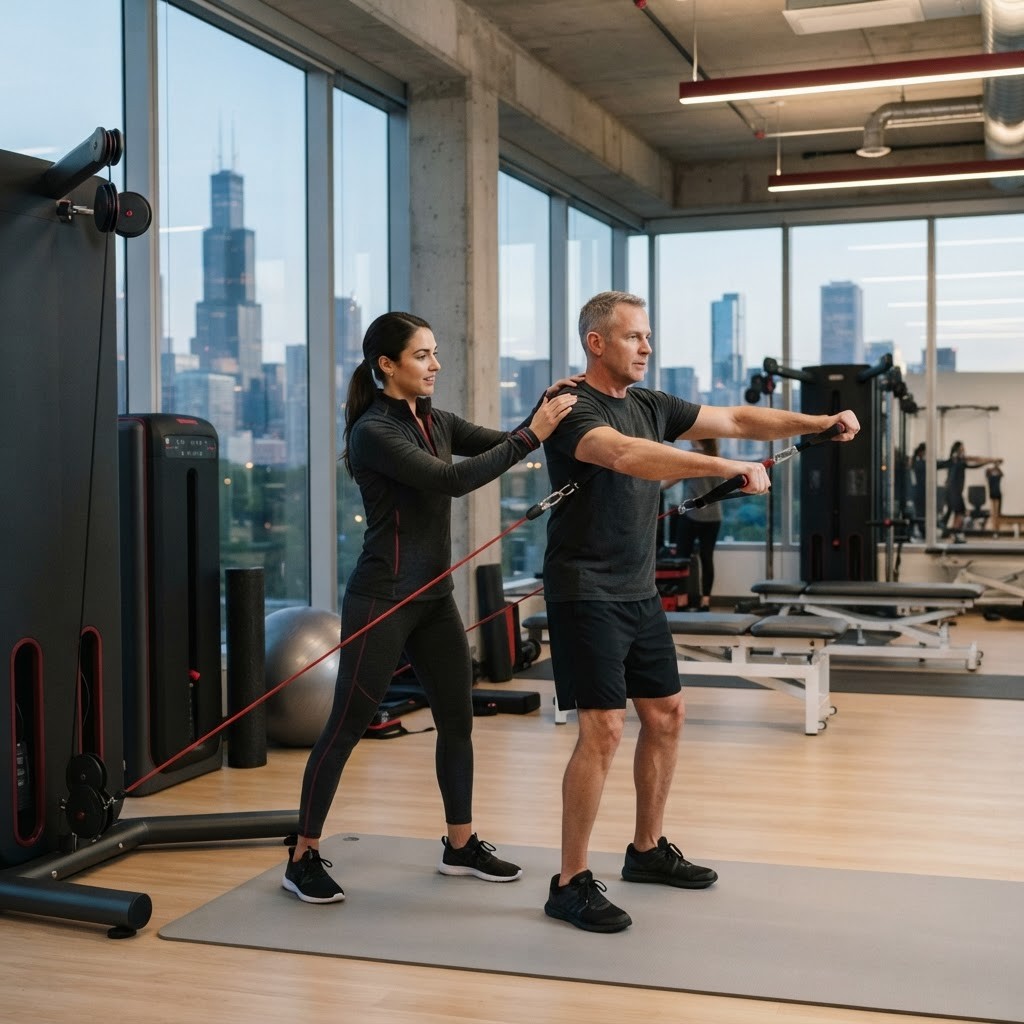
What Effective Physical Therapy Looks Like
Physical therapy should begin with a thorough assessment and lead to a plan tied to meaningful goals: walking comfortably, returning to work, lifting a child, or competing again. In Chicago, convenience matters because consistency drives results. Look for licensed therapists, individualized attention, clear home exercises, measurable reassessment, and communication with physicians when needed. A crowded gym and passive treatments alone are rarely enough.
1. Shirley Ryan AbilityLab
Shirley Ryan AbilityLab is internationally recognized for rehabilitation and combines clinical care with research. Its teams treat complex neurologic, musculoskeletal, spinal cord, brain injury, and pediatric conditions. The organization’s strength is interdisciplinary care involving therapists, physicians, engineers, and scientists. It is particularly compelling for patients whose rehabilitation needs extend beyond a straightforward orthopedic injury.
2. Athletico Physical Therapy
Chicago-founded Athletico has an extensive network across the city and suburbs. Services include orthopedic rehabilitation, sports therapy, pelvic health, vestibular therapy, work injury care, and performance programs at selected clinics. Its broad footprint helps patients choose a location near home or work. Experience and specialty offerings vary, so matching with the right therapist is important.
3. ATI Physical Therapy
ATI operates numerous Chicago-area outpatient clinics and treats common orthopedic, postoperative, and sports conditions. Standardized scheduling and neighborhood access can make regular attendance easier. Patients should ask how much one-on-one time is typical, who supervises exercises, and how outcomes will be tracked throughout the episode of care.
4. RUSH Physical Therapy
RUSH Physical Therapy connects outpatient rehabilitation with a prominent medical system and regional clinic network. It offers orthopedic, neurologic, sports, and specialty rehabilitation. Coordination can be a benefit after surgery or when a Rush physician is directing care. The system also provides a pathway to additional medical evaluation if recovery does not proceed as expected.
5. Northwestern Medicine Rehabilitation Services
Northwestern Medicine provides physical therapy within hospital and outpatient settings. Its teams manage routine injuries as well as complex postoperative, neurologic, cardiac, and cancer-related rehabilitation. Shared records can improve communication among therapists and specialists. Downtown access is useful for many patients, while additional locations extend the network beyond the central campus.
6. University of Chicago Medicine Rehabilitation
University of Chicago Medicine offers rehabilitation for orthopedic, neurologic, and medically complex conditions. Its academic environment supports coordinated care and specialist consultation. The program is a notable South Side resource, particularly for patients whose therapy is linked to surgery, cancer treatment, stroke, or another substantial medical episode.
7. UI Health Rehabilitation Services
UI Health delivers physical therapy and broader rehabilitation services to a diverse Chicago population. Clinicians work with patients recovering from injury, surgery, neurologic disease, and chronic disability. Connection to specialty medicine and an academic care team helps when mobility problems have multiple causes or require adaptive strategies.
8. React Physical Therapy
React Physical Therapy is a Chicago-based practice known for sports, orthopedic, and movement-focused rehabilitation. Its clinics emphasize active treatment and functional recovery. This approach may appeal to runners, recreational athletes, and active adults who want a detailed analysis of mechanics rather than symptom relief alone.
9. Lakeshore Sport & Fitness Physical Therapy
Physical therapy associated with Lakeshore Sport & Fitness offers a wellness-oriented environment with access to substantial exercise equipment. It can support progression from rehabilitation into independent training. Patients should still ensure that treatment remains clinically individualized and that gym-based activity advances specific functional goals safely.
10. NovaCare Rehabilitation
NovaCare operates outpatient rehabilitation centers throughout the Chicago region. Services often include orthopedic therapy, sports medicine, work conditioning, hand therapy, and specialty programs. Multiple locations can reduce travel barriers. As with any network, compare individual therapist expertise, appointment availability, and the clinic’s experience with your condition.
Getting More From Treatment
Bring imaging reports, surgical precautions, medication information, and clear examples of activities that are difficult. Ask what improvement should look like in several weeks and how the plan will change if progress stalls. Complete the home program accurately, report symptom changes, and distinguish normal training discomfort from sharp or worsening pain. Insurance may limit visits, so discuss priorities early and learn strategies you can continue independently.
Rehabilitation Trends in Chicago
Chicago centers increasingly use force testing, motion analysis, blood-flow restriction, remote exercise platforms, and outcomes tracking. Pelvic health, vestibular care, and cancer rehabilitation are also becoming more accessible. Technology can sharpen decisions, but the therapeutic relationship remains central. The best center is one where a skilled clinician listens, adjusts treatment, and equips you to manage your health beyond the final appointment.
