
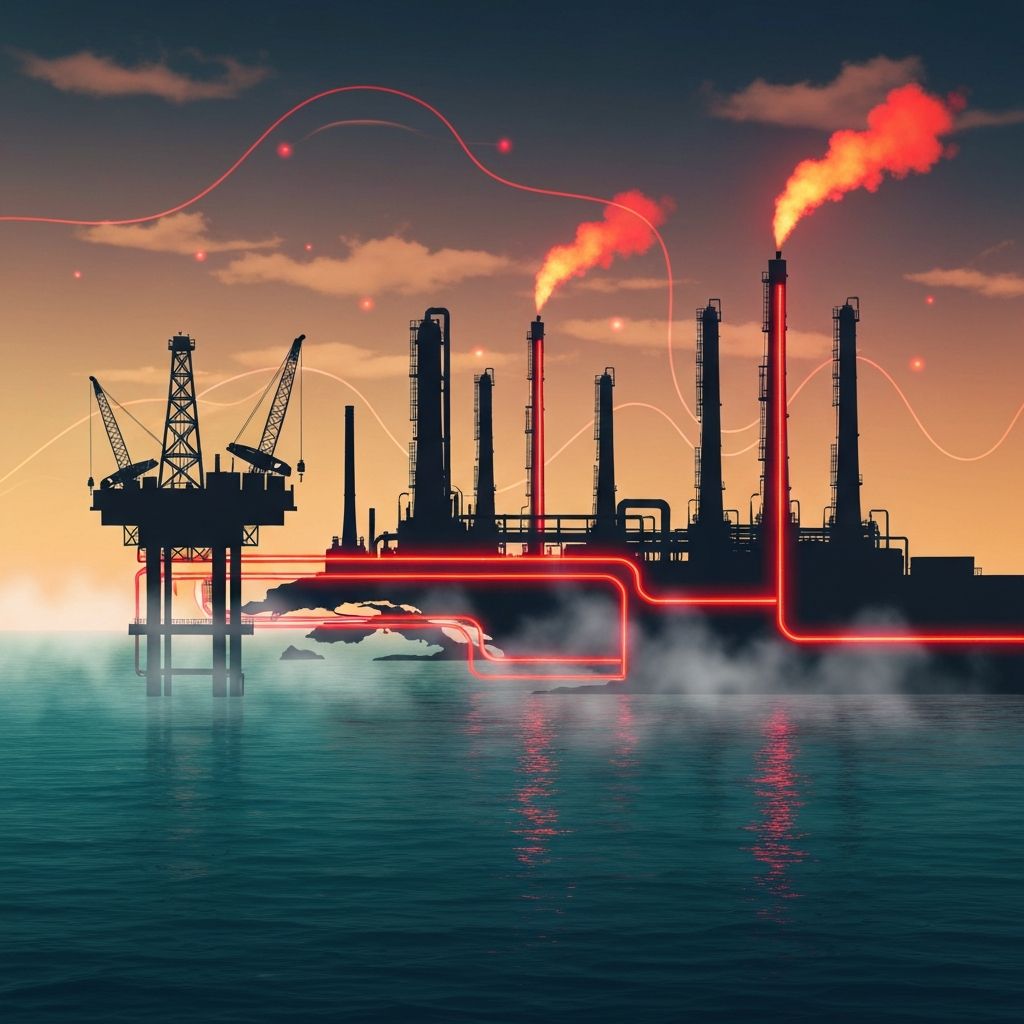
The Strategic Importance of Oil and Gas in the USA
The United States is one of the largest producers of oil and natural gas in the world. The country's energy industry plays a critical role in supplying domestic and global markets, supporting millions of jobs, and contributing significantly to national economic output. From the shale fields of the Permian Basin to the offshore platforms of the Gulf of Mexico, U.S. oil and gas companies operate some of the most advanced energy infrastructure on the planet.
While the country is also rapidly expanding renewable energy, oil and gas remain essential components of the energy mix, providing fuel for transportation, feedstock for petrochemicals, and a reliable backup to intermittent renewable sources. The leading oil and gas companies in the USA are increasingly investing in lower-carbon technologies as well, including carbon capture, hydrogen, and renewable fuels.
1. ExxonMobil
ExxonMobil is one of the largest integrated oil and gas companies in the world. Headquartered in Texas, the company is involved in every part of the energy value chain, from upstream exploration and production to refining, chemicals, and emerging low-carbon solutions. ExxonMobil is also a major investor in carbon capture and hydrogen.
2. Chevron
Chevron is another global energy giant headquartered in the United States, with major operations in upstream, downstream, and chemicals. The company has a strong presence in the Permian Basin, deepwater Gulf of Mexico, and international markets, and has committed significant capital to renewable fuels and carbon management.
3. ConocoPhillips
ConocoPhillips is the largest pure-play exploration and production company in the United States. With a diverse portfolio that includes operations in the Permian, Eagle Ford, Bakken, and Alaska, the company is known for its disciplined capital allocation and operational excellence.
4. Occidental Petroleum
Occidental Petroleum, often called Oxy, is a major U.S. producer with a strong focus on the Permian Basin. The company is also a leader in carbon management, investing in direct air capture and large-scale carbon storage projects in addition to its core oil and gas business.
5. EOG Resources
EOG Resources is one of the most respected exploration and production companies in the United States. Known for its strong technical capabilities and low-cost operations, EOG has been a pioneer in horizontal drilling and shale development.
6. Marathon Petroleum
Marathon Petroleum is one of the largest petroleum refining, marketing, and midstream companies in the country. With a network of refineries and a major retail and pipeline footprint, Marathon plays a key role in delivering refined products to American consumers and businesses.
7. Phillips 66
Phillips 66 is a diversified energy company with operations in refining, midstream, chemicals, and marketing. The company is also investing in renewable diesel and other lower-carbon energy products as part of its long-term strategy.
8. Pioneer Natural Resources
Pioneer Natural Resources, now part of ExxonMobil, has long been one of the most influential producers in the Permian Basin. The company helped pioneer modern shale development and has been recognized for strong environmental and operational performance.
9. Devon Energy
Devon Energy is a leading independent producer with significant operations in the Delaware Basin and other key U.S. plays. The company is known for its disciplined approach to capital spending and its strong commitment to shareholder returns.
10. Hess Corporation
Hess Corporation is a global exploration and production company with major U.S. operations in the Bakken Shale and significant international assets, including a leading position in offshore Guyana. Hess is also investing in technology to reduce emissions across its operations.
How U.S. Oil and Gas Companies Are Evolving
The U.S. oil and gas industry has undergone significant change over the past two decades. The shale revolution transformed the country into a top global producer, while advances in horizontal drilling and hydraulic fracturing have unlocked vast resources at lower cost. More recently, the industry has been focused on capital discipline, returning value to shareholders, and reducing emissions across operations.
Major companies are increasingly investing in technologies that reduce the carbon intensity of their products. These include carbon capture and storage, methane reduction programs, electrification of operations, and the development of hydrogen and renewable fuels. Many companies have set ambitious targets to lower emissions and improve environmental performance.
Industry Trends in 2026
Several trends are shaping the U.S. oil and gas sector. Liquefied natural gas exports have become a critical part of global energy security, with the United States now one of the world's largest LNG suppliers. Permian Basin production continues to grow, supported by improved drilling techniques and pipeline expansions. Meanwhile, mergers and acquisitions have reshaped the competitive landscape as larger companies acquire high-quality acreage and operational scale.
Digital technologies, including artificial intelligence, advanced analytics, and automation, are also being widely adopted to improve safety, efficiency, and environmental performance. Workforce transformation is another important theme, as companies invest in training and new skills to support both traditional operations and emerging energy technologies.
The Road Ahead
While the long-term energy transition will gradually reduce reliance on hydrocarbons, oil and gas will remain essential to the U.S. economy for decades to come. The leading American oil and gas companies are investing in operational excellence, technology, and lower-carbon solutions to ensure they remain competitive in a changing energy landscape. Their ability to balance reliable energy supply with environmental responsibility will define the next chapter of the industry.
