
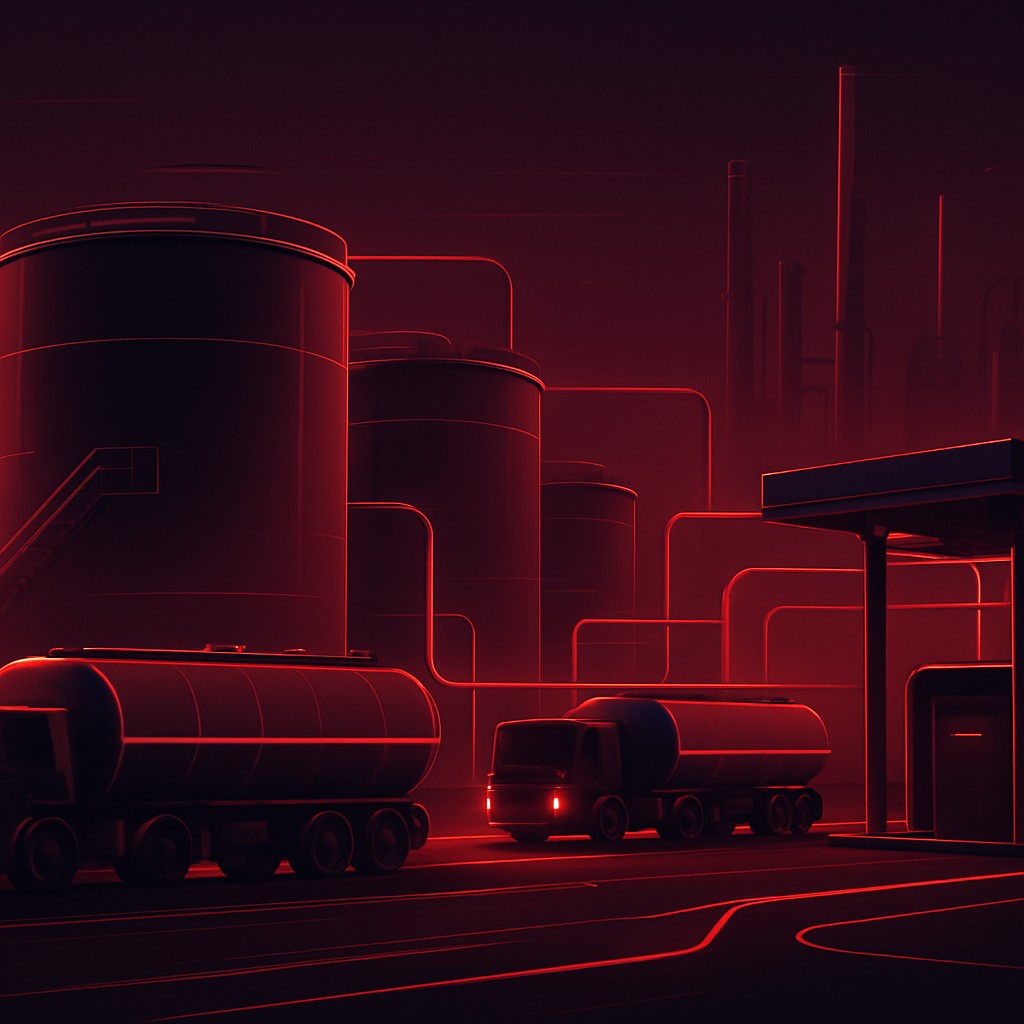
The Role of Oil and Gas in Burundi's Economy
As a landlocked nation without domestic petroleum production, Burundi depends entirely on imported fuels to power its transport sector, industries, and backup generation. Diesel, petrol, kerosene, and liquefied petroleum gas reach the country through long supply chains that pass through neighboring ports and overland routes. The companies that manage this complex logistics network play a critical role in keeping the economy moving, ensuring that fuel is available for vehicles, businesses, and households.
Despite the growing push toward renewable energy, oil and gas remain indispensable in the near term. Transport, heavy machinery, and many industrial processes still rely on petroleum products, and reliable fuel supply is essential for economic stability. The leading firms in this sector are distinguished by their supply reliability, distribution reach, safety standards, and service quality.
Navigating a Complex Supply Chain
Importing fuel into a landlocked country involves coordinating shipping, cross-border transport, customs, storage, and last-mile distribution. The best companies invest in robust logistics, secure storage facilities, and quality control to ensure that fuel arrives clean, on time, and at fair prices. Their ability to manage these challenges directly affects fuel availability and pricing nationwide.
1. Interpetrol Burundi
One of the most established petroleum companies in the country, Interpetrol manages fuel importation, storage, and distribution at scale. Its extensive infrastructure and long operating history make it a cornerstone of Burundi's fuel supply, serving both retail and commercial customers.
2. Engen Burundi
Part of a well-known regional fuel brand, Engen operates service stations and supplies quality petroleum products. The company is recognized for consistent fuel standards and a customer-focused retail experience at its filling stations.
3. Kobil Burundi
Kobil is a respected name in East African fuel distribution, offering petrol, diesel, lubricants, and LPG. Its network of stations and commercial supply services serves a broad customer base across the country.
4. SP Burundi (Societe Petroliere)
This national petroleum company plays a key role in fuel distribution and storage. With a focus on dependable supply, it serves transport operators, industries, and retail consumers throughout Burundi.
5. Total Energies Burundi
A representative of one of the world's leading energy brands, this company supplies high-quality fuels and lubricants. Its stations are known for reliability, and it brings international standards in safety and product quality to the local market.
6. Gulf Energy Burundi
Gulf Energy provides fuel distribution and commercial supply services, focusing on consistent availability for businesses, transport fleets, and industrial users. The company emphasizes efficient logistics and customer service.
7. Mogas Burundi
Mogas operates retail stations and supplies petroleum products to commercial clients. The brand is associated with clean fuel and a growing network that serves both urban and rural customers.
8. Burundi LPG Distributors
Specializing in liquefied petroleum gas, this company promotes cleaner cooking fuel as an alternative to charcoal and firewood. Its distribution of safe, refillable gas cylinders supports both household convenience and environmental goals.
9. Lake Energy Petroleum
Lake Energy focuses on commercial and industrial fuel supply, delivering bulk diesel and petrol to large consumers such as construction firms, mining operations, and transport companies. Its bulk logistics capability is a key strength.
10. Continental Lubricants Burundi
This company specializes in engine oils, greases, and industrial lubricants essential for vehicles and machinery. By supplying quality lubrication products, it supports the longevity and performance of the country's vehicle and equipment fleets.
Safety, Quality, and Environmental Responsibility
Leading oil and gas companies prioritize safety throughout their operations, from storage and transport to retail dispensing. They maintain quality control to prevent adulteration, train staff in safe handling, and increasingly promote cleaner products such as LPG to reduce reliance on solid fuels. Responsible operators also invest in spill prevention and proper waste management.
Industry Trends
The sector is evolving as Burundi modernizes. There is growing interest in cleaner cooking fuels like LPG, improvements in storage and distribution infrastructure, and gradual adoption of digital systems for inventory and payments. At the same time, the long-term outlook includes a gradual shift toward electrification in transport and power, which the industry is beginning to anticipate.
Choosing a Fuel Supplier
Customers and businesses should consider supply reliability, product quality, pricing transparency, and safety record when selecting a fuel partner. Commercial users in particular benefit from suppliers with strong logistics, secure storage, and the capacity to deliver consistent volumes.
Conclusion
The oil and gas companies serving Burundi perform an essential function, keeping vehicles, industries, and homes supplied with the fuels they depend on. Through reliable logistics, quality control, and a growing emphasis on cleaner products, these firms support economic activity across the nation. As Burundi's energy landscape evolves, the sector will continue adapting to meet changing needs while maintaining the dependable supply that the economy requires.
