
Zimbabwe's Growing Demand for Quality Housing
Residential real estate development has become one of the most dynamic sectors in Zimbabwe's economy. Rapid urbanisation, a growing middle class, and a persistent housing deficit have created strong demand for well-planned residential communities. From Harare's expanding suburbs to developments around Bulawayo, Victoria Falls, and emerging towns, developers are responding with projects that range from affordable starter homes to premium gated estates.
The best residential developers are not simply building houses; they are creating communities. Thoughtful planning, reliable infrastructure, and attention to lifestyle amenities distinguish the leaders in this competitive field.
What Makes a Top Residential Developer
Leading developers in Zimbabwe are recognised for delivering quality construction, transparent dealings, and projects completed on schedule. Reliability is paramount in a market where buyers have historically faced uncertainty around land titles and project delivery. Reputable developers provide secure title deeds, clear payment structures, and well-documented ownership, giving buyers confidence in their investments.
Quality of construction is another key differentiator. Top developers use durable materials, employ skilled professionals, and adhere to building standards that ensure homes stand the test of time. Attention to design, energy efficiency, and modern conveniences further sets them apart.
Modern Estates and Gated Communities
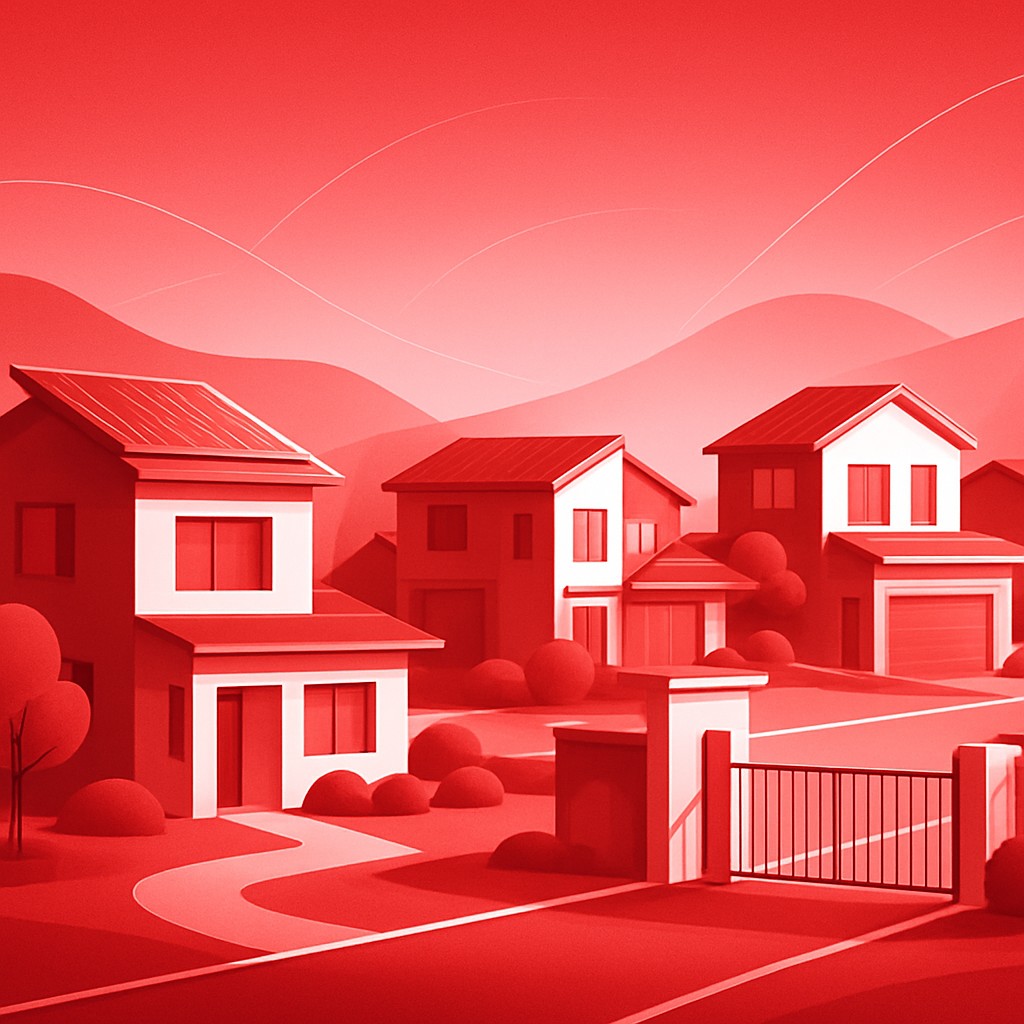
A defining trend in Zimbabwean residential development is the rise of master-planned estates and gated communities. These developments offer security, reliable water and power solutions, paved roads, and recreational facilities such as parks, clubhouses, and sports areas. For many buyers, the appeal lies in the integrated lifestyle and peace of mind these communities provide.
Developers are increasingly incorporating sustainable features, including solar power, borehole water systems, and green spaces, to address infrastructure challenges and appeal to environmentally conscious buyers. These innovations enhance both the desirability and long-term value of properties.
Affordable Housing Initiatives
Addressing Zimbabwe's housing deficit requires more than premium developments. Several leading developers are committed to affordable housing, partnering with financial institutions and pension funds to make homeownership accessible to a broader segment of the population. Flexible payment plans, stand sales, and phased construction options help buyers enter the market at various price points.
These initiatives play an important social role, enabling families to build wealth through property ownership while contributing to the formalisation and growth of residential neighbourhoods.
Industry Trends and Innovations
The residential development sector is embracing innovation to meet evolving buyer expectations. Off-plan sales, professional property management, and integrated smart-home features are becoming more common. Developers are also responding to demand for mixed-use communities that combine residential, retail, and recreational spaces within walking distance.
Diaspora investment continues to fuel the market, with Zimbabweans abroad seeking secure, well-managed properties back home. Developers who offer transparency, remote purchasing options, and reliable construction are particularly well positioned to attract this important buyer segment.
Choosing the Right Developer
For prospective homeowners and investors, selecting the right developer is crucial. Buyers should evaluate a developer's track record, the quality of completed projects, the security of title deeds, and the reliability of infrastructure provision. Visiting existing developments and speaking with current residents offers valuable insight into a developer's credibility.
The best residential real estate developers in Zimbabwe combine quality, integrity, and vision. By delivering well-built homes within thriving communities, they are not only meeting demand but also shaping the future of urban living across the country.
