
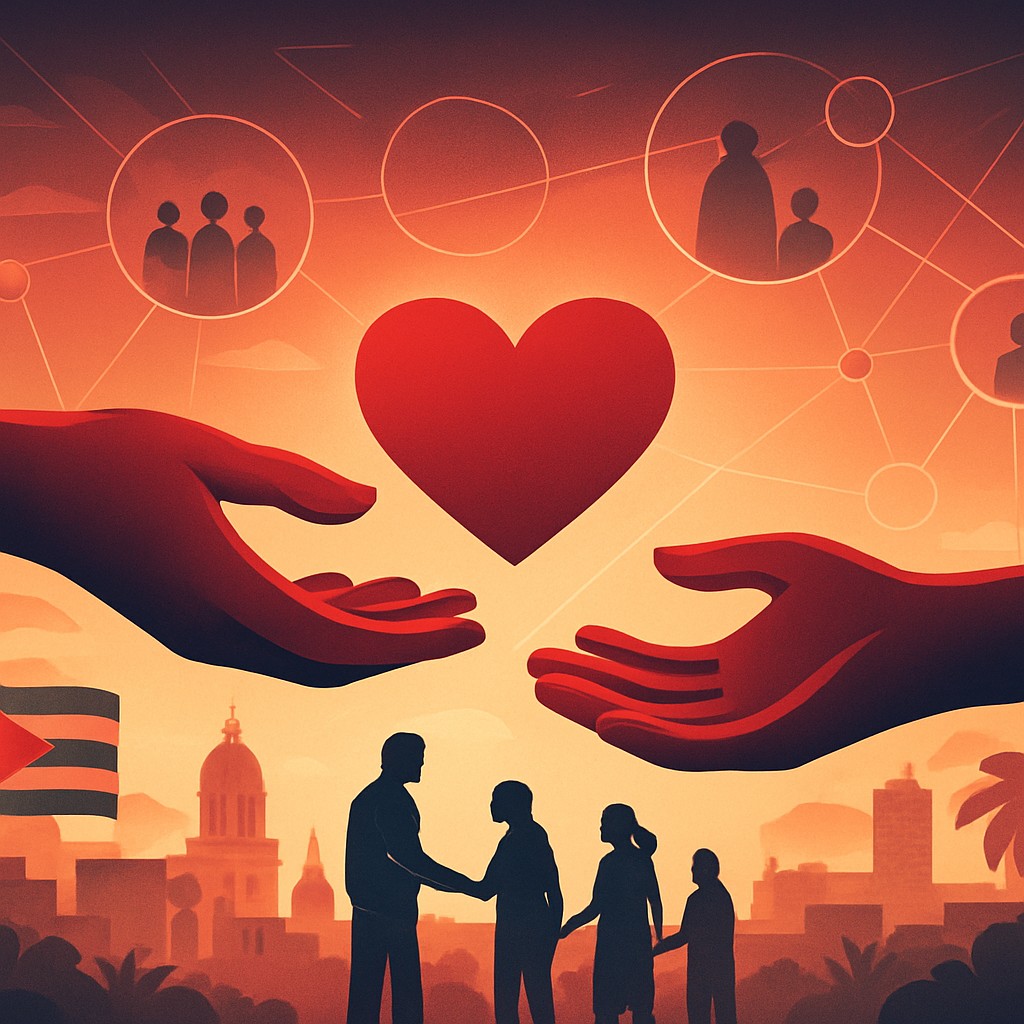
The Spirit of Community in Cuba
Cuba has a deep culture of solidarity, where community organizations, foundations, and associations play a significant role in social life. Nonprofits on the island work across many areas, including culture, education, health, environmental protection, and humanitarian assistance. These organizations often complement public services and mobilize volunteers, donations, and partnerships to address local needs. Their efforts reflect a strong tradition of mutual support that runs through Cuban society.
How Nonprofits Operate in Cuba
Nonprofit and civil-society organizations in Cuba range from cultural foundations and professional associations to faith-based charities and environmental groups. Many focus on preserving heritage, supporting vulnerable populations, or advancing scientific and cultural exchange. The most respected organizations are known for transparency, long-term commitment, and tangible community impact. Their work frequently involves collaboration with international partners, cultural institutions, and local communities.
The Top 10 Nonprofits and Organizations
1. Fundacion Antonio Nunez Jimenez de la Naturaleza y el Hombre: Dedicated to environmental conservation, cultural heritage, and sustainable development, this foundation is one of the most recognized civil-society organizations in Cuba. Its programs promote ecological awareness and community resilience.
2. Caritas Cuba: As a humanitarian organization rooted in the Catholic Church, Caritas Cuba supports elderly care, disaster relief, and social assistance. It is widely respected for its compassionate work with vulnerable groups.
3. Fundacion Fernando Ortiz: Focused on preserving and studying Cuban culture and identity, this foundation honors the legacy of one of the country's most important scholars. It supports research, publications, and cultural dialogue.
4. Centro Felix Varela: This organization promotes ethics, environmental education, and peaceful coexistence. It is known for community programs that encourage civic values and sustainable living.
5. Fundacion Ludwig de Cuba: Supporting contemporary art and young artists, this foundation plays a key role in Cuba's cultural scene. It facilitates exhibitions, exchanges, and artistic development.
6. Asociacion Cubana de Naciones Unidas (ACNU): Promoting the goals of international cooperation and development, ACNU engages in education and advocacy around global issues. Its work connects Cuban communities to broader humanitarian themes.
7. Sociedad Civil Patrimonio, Comunidad y Medio Ambiente: This organization works to protect cultural heritage and the environment while strengthening community involvement. Its grassroots focus supports local stewardship.
8. Centro Memorial Martin Luther King Jr.: Combining faith, education, and social work, this center promotes community development and popular education. It is valued for empowering local leaders and fostering dialogue.
9. Fundacion Naturaleza y Comunidad: Dedicated to linking environmental protection with community well-being, this type of organization supports conservation projects and sustainable livelihoods in rural areas.
10. Asociacion Cubana de Produccion Animal (ACPA): Supporting farmers and rural development, ACPA provides training, resources, and technical assistance. Its work strengthens food production and rural communities.
The Impact of Nonprofit Work
Nonprofits in Cuba contribute meaningfully to social welfare, cultural preservation, and environmental sustainability. They provide services to vulnerable populations, protect natural and cultural heritage, and create spaces for education and dialogue. By mobilizing volunteers and resources, these organizations strengthen community bonds and help address gaps in public provision. Their long-term presence builds trust and resilience across the island.
Trends in the Nonprofit Sector
Several trends characterize Cuba's nonprofit landscape. Environmental and sustainability initiatives are expanding as climate awareness grows. Cultural foundations continue to play a central role in preserving identity and supporting the arts. Humanitarian organizations focus increasingly on elderly care and community resilience. Partnerships with international institutions also help bring resources, training, and knowledge to local programs.
Conclusion
The nonprofit organizations highlighted here embody Cuba's enduring spirit of solidarity and community care. Whether protecting the environment, supporting vulnerable populations, or preserving cultural heritage, these foundations and associations make a lasting difference. As social and environmental challenges evolve, Cuba's nonprofits remain vital contributors to a more resilient, inclusive, and culturally vibrant society.
