
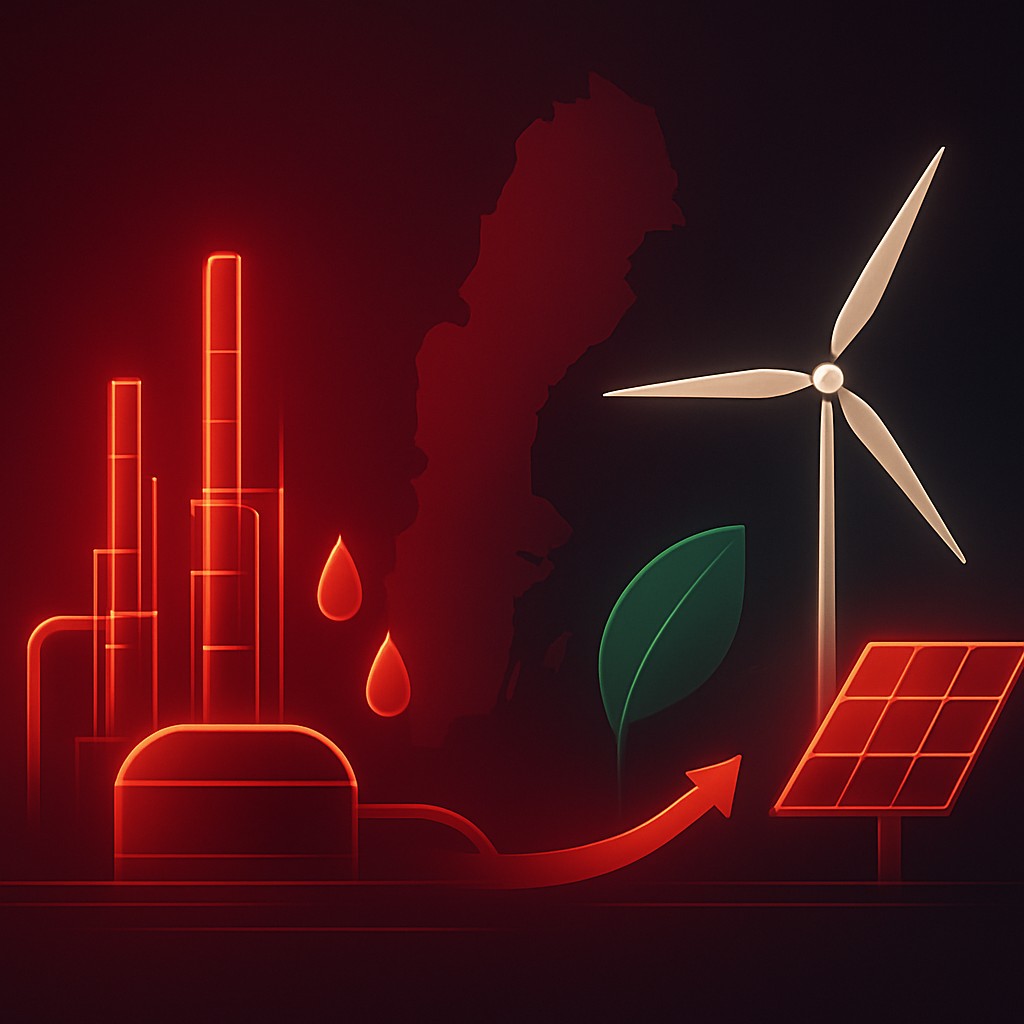
The Oil and Gas Sector in Sweden
Although Sweden is a global leader in renewable energy and has limited domestic oil and gas production, the oil and gas sector remains an important part of the country's energy and industrial landscape. Companies operating in this space handle fuel distribution, refining, energy trading, and the supply of petroleum products that continue to power transportation, industry, and heating. Understanding the leading players in this sector provides insight into how Sweden balances its energy needs with its ambitious climate goals.
The Swedish oil and gas market is characterized by a strong focus on efficiency, safety, and increasingly, sustainability. Many companies are actively investing in cleaner fuels, biofuels, and the energy transition, reflecting the country's broader environmental priorities.
Leading Oil and Gas Companies
Several companies play significant roles in Sweden's oil and gas sector. Preem is the largest fuel company in Sweden, operating major refineries and an extensive network of service stations. The company is also investing heavily in renewable fuels and aims to lead the transition toward sustainable transportation fuels.
Other notable companies include St1, which combines fuel distribution with renewable energy initiatives, and Circle K, a widely recognized fuel retailer with a strong presence across the country. Lundin Energy has historically been associated with exploration and production, while OKQ8 serves as a major fuel retailer. Together, these companies form the backbone of Sweden's oil and gas market.
Refining and Fuel Production
Refining is a central activity in Sweden's oil and gas sector. Preem operates significant refining capacity, processing crude oil into gasoline, diesel, and other products. These refineries are increasingly focused on producing renewable and lower-carbon fuels, aligning with Sweden's climate ambitions.
The shift toward renewable fuels represents a major transformation for the refining industry. Companies are investing in technology and infrastructure to produce biofuels and synthetic fuels, reducing the carbon footprint of transportation and industry.
Fuel Distribution and Retail
Fuel distribution and retail form a visible and essential part of the sector. Companies like Circle K, OKQ8, and St1 operate extensive networks of service stations across Sweden, supplying fuel to motorists and businesses. These retailers are also expanding their offerings to include electric vehicle charging and renewable fuel options.
As the transportation sector evolves, fuel retailers are adapting to changing consumer needs. Many are integrating charging infrastructure and alternative fuels into their networks, preparing for a more diverse energy future.
Energy Trading and Supply
Energy trading and supply are important functions within the oil and gas sector. Companies engage in the purchase, sale, and logistics of petroleum products, ensuring a reliable supply for the Swedish market. This activity requires sophisticated market knowledge, risk management, and operational expertise.
A stable and efficient supply chain is essential for meeting the energy needs of industry, transportation, and households. The leading companies bring the experience and infrastructure necessary to manage these complex operations effectively.
Adapting to the Energy Transition
Perhaps the most significant theme in Sweden's oil and gas sector is the ongoing energy transition. As the country pursues its goal of becoming fossil-free, oil and gas companies are investing in renewable fuels, electrification, and new technologies. This transformation reflects both regulatory pressures and a genuine commitment to sustainability.
Companies like Preem and St1 are positioning themselves as leaders in renewable fuels, demonstrating that traditional energy companies can play a constructive role in the transition. This forward-looking approach is reshaping the industry and aligning it with Sweden's environmental vision.
The Future of Oil and Gas in Sweden
The future of Sweden's oil and gas sector will be defined by its ability to adapt to a changing energy landscape. While petroleum products will continue to play a role in the near term, the emphasis is increasingly on cleaner alternatives and sustainable practices. Companies that embrace innovation and the energy transition are best positioned for long-term success.
The companies highlighted here illustrate the diversity and adaptability of Sweden's oil and gas sector. As the country moves toward a more sustainable energy future, these organizations are evolving to meet new challenges while continuing to serve the essential energy needs of the nation.
