
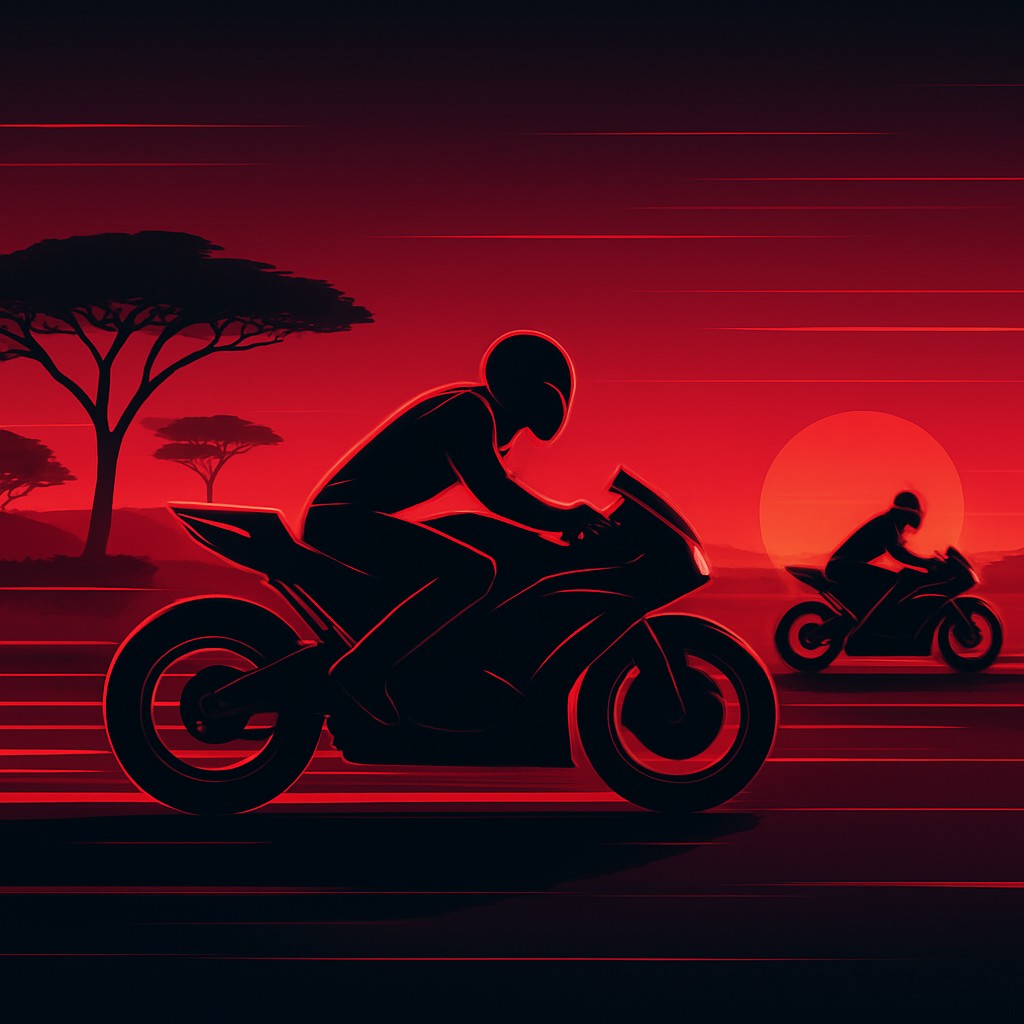
The Rise of Motorcycle Culture in Zambia
Motorcycles have transformed the way Zambians move, work, and trade. In a country where road conditions vary dramatically between urban centres like Lusaka and Kitwe and the more remote provinces, two-wheeled transport offers an affordable, fuel-efficient, and versatile solution. Whether used for daily commuting, boda-boda taxi services, or transporting goods to local markets, motorcycles have become a cornerstone of everyday mobility. The growing demand has attracted a wide range of established and emerging brands, each competing to offer durability, affordability, and after-sales support tailored to local conditions.
What Makes a Great Motorcycle Brand in Zambia
Choosing the right motorcycle in Zambia involves more than just price. Riders prioritise fuel economy, spare parts availability, ease of maintenance, and resilience on rough terrain. Brands that have invested in local dealerships, training, and accessible service centres tend to earn lasting loyalty. Reliability is paramount, especially for entrepreneurs who depend on their machines for income. The best brands combine engineering quality with a deep understanding of the Zambian environment, where dust, heat, and uneven roads test every component.
Leading Motorcycle Brands Shaping the Market
Honda remains one of the most respected names in Zambia, celebrated for its dependable engines and widespread availability of genuine parts. Its models are favoured by commuters and commercial riders alike for their longevity and low running costs. Yamaha follows closely, known for robust build quality and strong performance across varied terrain, making it a popular choice for both leisure and utility riding.
Bajaj, an Indian manufacturer, has captured significant market share thanks to its affordability and practicality. The brand's Boxer and Pulsar ranges are especially popular among taxi operators who value low maintenance and excellent fuel mileage. TVS has also gained traction, offering competitively priced models with modern features and reliable engineering that appeal to budget-conscious riders.
Emerging and Specialist Brands
Suzuki continues to attract riders seeking a balance of comfort, power, and reliability, with a reputation for smooth performance on longer journeys. Haojue, a Chinese brand, has steadily built credibility by offering well-priced motorcycles supported by an expanding dealer network. Lifan and Sundiro Honda models have found favour in rural areas where affordability and simple mechanics are decisive factors.
For riders interested in heavier or more powerful machines, KTM and Kawasaki cater to enthusiasts who prioritise performance and off-road capability. While these brands occupy a smaller niche, they reflect a growing appetite for recreational riding and adventure touring across Zambia's scenic landscapes.
Industry Trends and the Road Ahead
The Zambian motorcycle sector is evolving rapidly. The boda-boda economy continues to expand, creating thousands of jobs and supporting small-scale commerce. There is also rising interest in electric motorcycles as fuel prices fluctuate and environmental awareness grows, with several distributors beginning to explore battery-powered options suited to local charging realities.
Financing schemes and instalment plans have made motorcycle ownership more accessible, empowering young entrepreneurs to start transport businesses with modest capital. Manufacturers are responding by strengthening warranties, expanding service centres, and offering rider training to improve safety standards.
Choosing the Right Brand for Your Needs
The ideal motorcycle depends on individual priorities. Commercial riders should focus on fuel efficiency, durability, and parts availability, while leisure riders may value comfort and performance. Regardless of the choice, buying from an authorised dealer ensures access to genuine components and professional servicing, which directly affects the machine's lifespan and resale value.
Zambia's motorcycle market reflects a vibrant blend of practicality and aspiration. With trusted global brands and increasingly competitive newcomers, riders enjoy more choice than ever before. As infrastructure improves and the economy grows, motorcycles will remain a vital engine of mobility and opportunity across the nation.
