
Germany: The Logistics Heart of Europe
Germany consistently ranks among the world's top countries in logistics performance. Its strategic position in central Europe, combined with cutting-edge infrastructure and a highly skilled workforce, makes it a natural hub for supply chain operations. Logistics companies in Germany serve a wide range of industries, from automotive and pharmaceuticals to e-commerce and fashion. Their ability to integrate transport, warehousing, customs, and technology under one roof is what makes the German logistics sector globally respected.
Top Logistics Companies in Germany
Deutsche Post DHL Group is the largest logistics company in the world by revenue and employs hundreds of thousands of people. Its divisions cover express delivery, freight, e-commerce fulfillment, and supply chain solutions, making it a true one-stop logistics provider.
DB Schenker is a subsidiary of Deutsche Bahn and is recognized for its strong European footprint and global reach. The company excels in land transport, air and ocean freight, and contract logistics.
Kuehne+Nagel operates extensively in Germany with industry-leading expertise in sea freight and integrated logistics. The company is known for its sophisticated digital platforms and global customer base.
Dachser stands out for its family-owned ethos and tightly integrated European logistics network. Its data-driven approach to transport and warehousing has set industry standards.
Rhenus Group provides specialized logistics services in port operations, automotive, healthcare, and high-tech industries, with a reputation for flexibility and tailored solutions.
Notable Players in the Industry
Hellmann Worldwide Logistics is a privately owned global logistics provider with deep expertise in supply chain management, contract logistics, and e-commerce.
Fiege Logistik is a major contract logistics company supporting retail, fashion, and e-commerce brands with sophisticated fulfillment centers and last-mile delivery solutions.
Hermes Germany plays a key role in last-mile parcel delivery for online retailers and offers value-added logistics services for B2B clients.
GEFCO, originally French but with strong German operations, specializes in automotive logistics, supporting major manufacturers with finished vehicle distribution.
BLG Logistics is based in Bremen and focuses on contract logistics, automobile logistics, and container handling, particularly through the Port of Bremerhaven.
Services Offered by German Logistics Firms
German logistics companies offer a comprehensive suite of services. These include international and domestic transportation, warehousing and distribution, customs brokerage, inventory management, packaging, value-added services such as labeling and assembly, and full supply chain consulting. Many also provide e-commerce fulfillment solutions tailored to the growing online retail market.
Technology and Digitalization
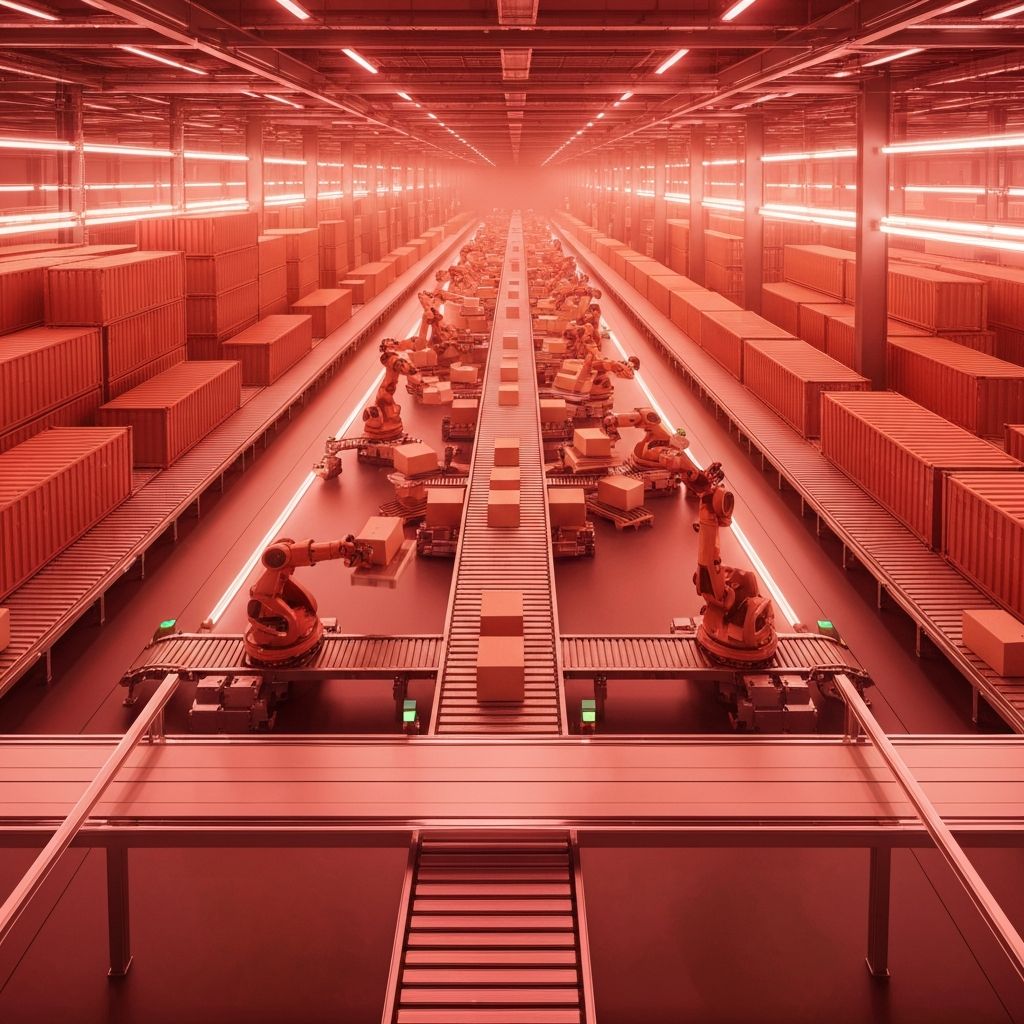
Logistics in Germany has embraced Industry 4.0 principles. Automated warehouses, robotics, AI-driven demand forecasting, IoT-enabled tracking, and blockchain are reshaping operations. Many companies have built proprietary digital platforms that give customers real-time visibility into shipments, inventory levels, and delivery performance. These innovations help reduce costs, improve accuracy, and accelerate response times.
Sustainability and Green Logistics
Sustainability is a key priority in the German logistics industry. Companies are investing in electric trucks, hydrogen-powered vehicles, solar-powered warehouses, and modal shift strategies that move freight from road to rail. Many also offer carbon-neutral shipping options and partner with clients on circular economy initiatives, including reverse logistics for returns and recycling.
Choosing the Right Logistics Partner
Selecting a logistics partner depends on business needs. Companies dealing with global supply chains may benefit from large multinationals like DHL or DB Schenker, while specialized operations may prefer niche providers. Key evaluation criteria include geographic coverage, industry expertise, digital capabilities, service level agreements, and sustainability commitments.
Industry Trends to Watch
Several trends are shaping the future of German logistics. Nearshoring and supply chain resilience are gaining importance as companies seek to reduce dependence on distant suppliers. Last-mile innovation, including drones and autonomous delivery robots, is being tested in urban environments. Workforce challenges and labor shortages are also driving investments in automation and employee training.
Final Thoughts
Germany's logistics industry combines scale, innovation, and reliability in ways few other countries can match. From global leaders to specialized providers, the country's logistics ecosystem ensures goods reach their destinations efficiently and sustainably. For businesses seeking competitive advantage, partnering with a German logistics firm is a strategic choice that delivers measurable results.
