
Why Logistics Matters in Chile
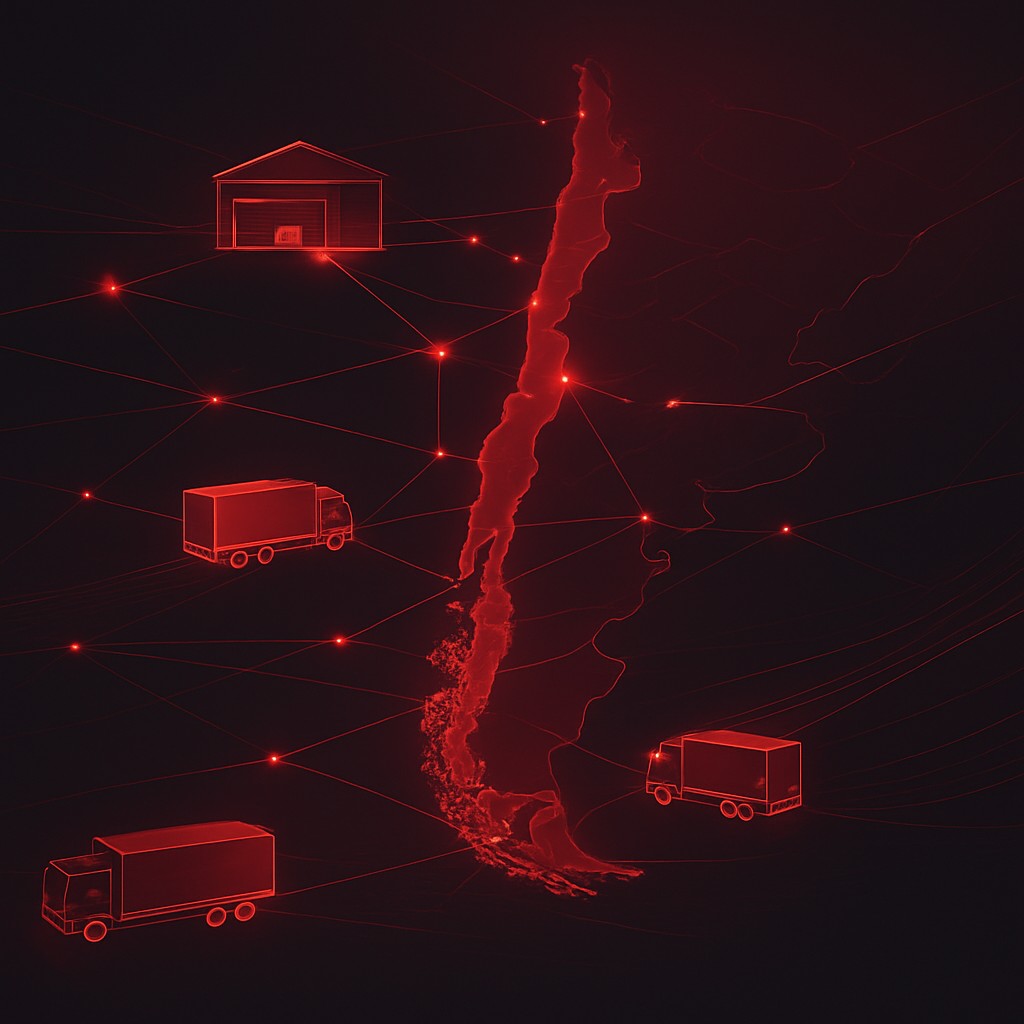
Few countries present a logistics puzzle quite like Chile. Stretching more than 4,300 kilometers from the Atacama Desert in the north to the glacial fjords of Patagonia in the south, yet rarely wider than 200 kilometers, the nation relies on efficient movement of goods to keep its economy connected. Mining exports, fresh fruit, salmon, wine, and consumer goods all depend on logistics networks that can navigate mountains, ports, deserts, and remote rural communities. As a result, the logistics sector has become one of the most strategically important industries in the country.
The best logistics companies in Chile combine local knowledge with global standards. They understand how to coordinate maritime, road, rail, and air transport into seamless multimodal solutions, and they invest heavily in technology to provide visibility, predictability, and reliability for their clients.
What Defines a Leading Logistics Provider
Excellence in Chilean logistics is measured by more than just the size of a fleet. Reliability, transparency, and the ability to handle complex, time-sensitive cargo are paramount. Companies that consistently rank among the best demonstrate strong customs expertise, robust warehousing networks, and a deep commitment to supply chain digitalization.
Several characteristics distinguish the top performers. They offer integrated services that span freight forwarding, customs brokerage, distribution, and inventory management. They maintain certifications for quality and safety, and they prioritize sustainability by optimizing routes and adopting cleaner vehicles. Above all, they treat each client's supply chain as a partnership rather than a transaction.
Notable Companies Shaping the Industry
Among the most respected names operating in Chile, Bodegas San Francisco stands out for its expansive network of logistics parks and warehousing facilities, serving as a backbone for distribution across the central region. The company is widely recognized for its scale and its ability to support manufacturers, retailers, and e-commerce operations alike.
SAAM, with deep roots in port operations and towage, has expanded into integrated logistics services that connect maritime gateways with inland distribution. Its experience in handling complex cargo and its presence across multiple ports make it a trusted partner for exporters.
Global players such as DHL Supply Chain and Kuehne+Nagel also maintain strong operations in Chile, bringing international best practices, advanced tracking technology, and worldwide networks that benefit companies engaged in cross-border trade. Agunsa, a homegrown enterprise, is celebrated for its comprehensive port and logistics services and its long history serving the Chilean export economy.
Industry Trends and Innovation
Chilean logistics is undergoing rapid transformation. The rise of e-commerce has accelerated demand for last-mile delivery solutions, particularly in metropolitan Santiago and growing regional cities. Companies are investing in route optimization software, real-time tracking, and automated warehouses to meet customer expectations for speed and transparency.
Sustainability has also moved to the forefront. Leading providers are introducing electric delivery vehicles, optimizing loads to reduce empty kilometers, and designing greener warehouses. Given Chile's strong commitment to renewable energy, logistics firms are increasingly aligning their operations with national climate goals.
Technology adoption extends to data analytics and artificial intelligence, which help companies forecast demand, manage inventory, and anticipate disruptions. For a country exposed to natural events such as earthquakes, resilience planning is a critical differentiator.
Benefits of Partnering With a Top Logistics Firm
Businesses that work with established logistics companies gain access to economies of scale, specialized expertise, and infrastructure they could not easily build on their own. A reliable logistics partner reduces transit times, minimizes the risk of customs delays, and improves overall supply chain visibility.
For exporters of perishable goods such as fresh fruit and seafood, the value is especially clear. Temperature-controlled supply chains, careful handling, and fast port connections can mean the difference between premium prices in international markets and costly spoilage. Domestic retailers similarly benefit from efficient distribution that keeps shelves stocked and customers satisfied.
Choosing the Right Logistics Partner
Selecting a logistics company in Chile should begin with a clear understanding of your own needs. Consider the geographic reach you require, the type of cargo you handle, and whether you need value-added services such as packaging, labeling, or returns management. Evaluate a provider's track record, technological capabilities, and customer support before committing.
It is also wise to assess a company's financial stability and its network of partners. The strongest logistics providers maintain relationships across ports, carriers, and customs authorities, giving them the flexibility to adapt when conditions change.
Regional Specialization Across Chile
Chile's economic diversity means that logistics needs vary dramatically from region to region. In the arid north, providers specialize in serving the mining industry, moving heavy equipment, chemicals, and minerals across long desert distances. In the fertile central valley, agricultural logistics dominate, with a focus on the careful handling and rapid movement of fruit and wine destined for export. In the south, forestry and aquaculture shape demand, requiring expertise in bulk transport and cold chain management. The leading logistics companies tailor their services to these regional realities, combining specialized knowledge with the flexibility to handle the unique demands of each industry and location.
The Road Ahead
As Chile continues to integrate into global trade and expand its e-commerce ecosystem, the logistics sector will remain a cornerstone of national competitiveness. The companies that lead the market today have earned their reputations through reliability, innovation, and a deep understanding of Chile's distinctive geography. For any business seeking to move goods efficiently within or beyond the country, partnering with one of these established providers offers a meaningful advantage in an increasingly demanding marketplace.
