
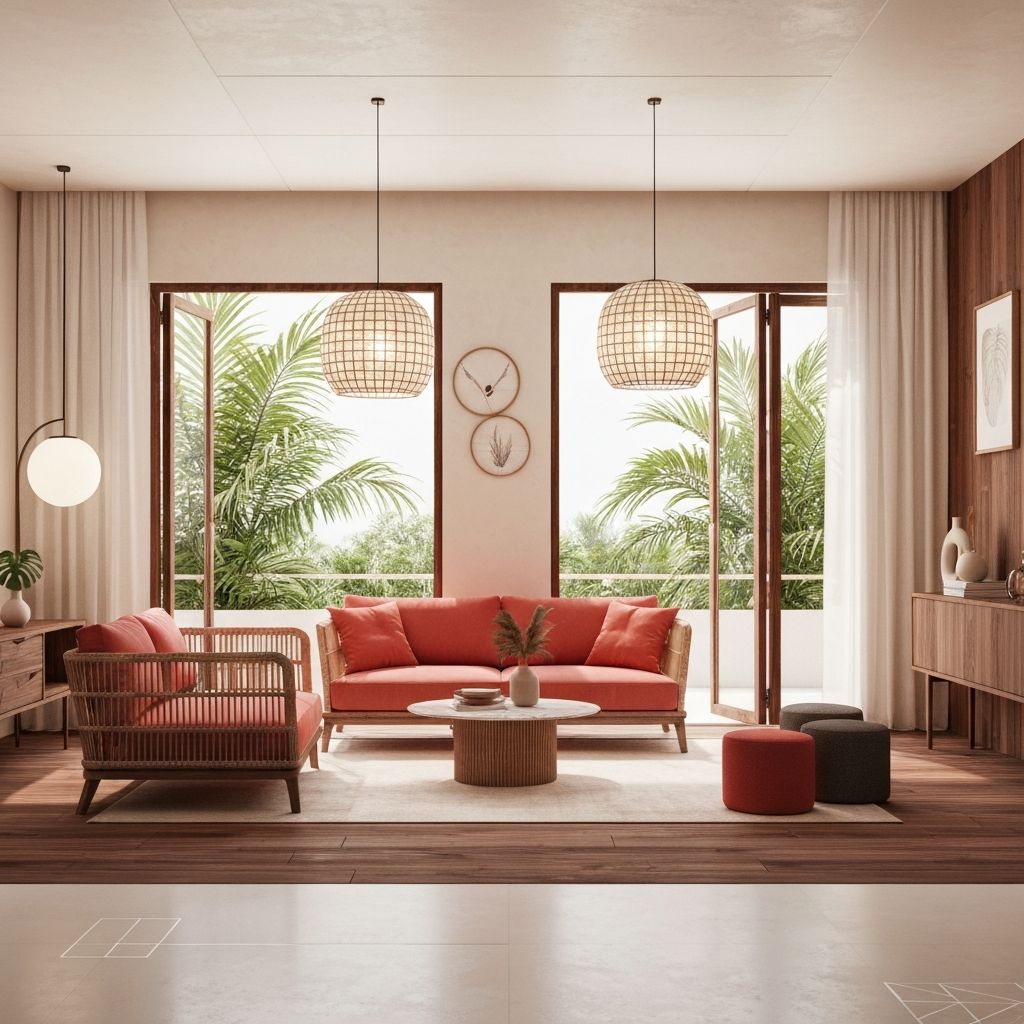
The Evolving Landscape of Interior Design in the Philippines
Interior design in the Philippines has matured into a sophisticated industry that blends global trends with rich local heritage. From luxury condominiums in Makati to boutique resorts in Palawan, Filipino designers are reshaping how people live, work, and travel. The country's top interior design firms are known for combining functionality with aesthetic excellence, drawing inspiration from indigenous craftsmanship, tropical living, and contemporary international styles.
Why Interior Design Matters Today
As urban living becomes more compact and lifestyles more demanding, well-designed interiors have a profound impact on comfort, productivity, and well-being. Homeowners, developers, and business owners increasingly recognize the value of working with professional designers who understand spatial planning, lighting, material selection, and sustainability. In the Philippines, this awareness has fueled a thriving design community that caters to a wide range of budgets and project types.
1. Budji Living
Founded by renowned designer Budji Layug, Budji Living has become synonymous with modern Filipino design. The firm is celebrated for its tropical modernist aesthetic, use of natural materials, and ability to create timeless interiors for high-end homes, hotels, and corporate spaces.
2. Conrad Onglao Design Group
Conrad Onglao Design Group is widely regarded as one of the most prestigious design firms in the country. Known for its refined elegance and meticulous attention to detail, the studio has worked on some of the most prominent residential and hospitality projects in the Philippines.
3. Atelier Almario
Atelier Almario, led by Ivy and Cynthia Almario, is renowned for its layered, art-driven approach to interior design. The firm has earned a strong reputation for transforming residences, restaurants, and commercial spaces into immersive environments that tell a story.
4. JL Pabuayon Interiors
JL Pabuayon Interiors is recognized for its understated luxury and ability to merge classical elements with contemporary sensibilities. The firm caters to discerning clients seeking sophisticated residential interiors and high-end retail environments.
5. Mañosa and Company
Although primarily an architecture firm, Mañosa and Company is deeply involved in interior design as part of its holistic approach to creating Filipino-inspired spaces. The firm continues the legacy of National Artist Francisco Mañosa, blending modern functionality with traditional Filipino aesthetics.
6. Royal Pineda Plus Design
Royal Pineda Plus Design is led by award-winning architect Royal Pineda, who has championed a new wave of contemporary Filipino design. The firm's projects often feature clean lines, natural light, and seamless integration with tropical landscapes.
7. Pomeroy Studio Philippines
Pomeroy Studio, with a strong presence in the Philippines, is known for sustainable, future-forward design solutions. The firm works on residential, commercial, and master-planning projects that emphasize eco-conscious materials, biophilic design, and smart technology.
8. Buensalido Architects
Buensalido Architects, founded by Jason Buensalido, has expanded its expertise into interior design with a focus on bold, narrative-driven concepts. The studio is known for blending Filipino cultural references with modern, sometimes playful design elements.
9. Aidea Philippines
Aidea is one of the largest design firms in the country, offering integrated architecture and interior design services. Its projects span corporate offices, hospitality, healthcare, and residential developments, with a strong focus on functionality and brand alignment.
10. SPI Studio
SPI Studio specializes in residential and boutique commercial interiors, with a reputation for creating warm, livable spaces. The firm is praised for its hands-on approach, close client collaboration, and ability to deliver designs that feel both contemporary and uniquely personal.
Filipino Design Identity
A distinct Filipino design identity is emerging across the industry, characterized by the use of indigenous materials such as rattan, capiz, abaca, and locally sourced hardwoods. Designers are increasingly collaborating with local artisans to create custom furniture, lighting, and decorative pieces that celebrate the country's craftsmanship. This not only adds authenticity to each project but also supports local economies and preserves traditional skills.
Trends Shaping the Industry
Sustainability, wellness, and flexibility are major trends shaping interior design in the Philippines today. Clients are requesting healthier interiors with improved ventilation, natural lighting, and non-toxic materials. The rise of remote work has also influenced residential design, with more homes featuring dedicated workspaces, multifunctional rooms, and outdoor living areas. Hospitality and retail projects are increasingly focused on creating immersive, experience-driven environments that engage guests on an emotional level.
Working with Filipino Designers
One of the strengths of the Philippine interior design industry is its strong tradition of personalized service. Many firms work closely with clients from concept development through implementation, ensuring that every detail aligns with the client's lifestyle, brand, or business goals. This collaborative approach, combined with technical expertise and creative vision, has helped Filipino designers earn international recognition.
Conclusion
The Philippines is home to a vibrant and accomplished interior design community that continues to push creative boundaries while honoring its cultural roots. Whether you are designing a luxury residence, a boutique hotel, a modern office, or a family home, the country's top design firms offer the expertise and artistry needed to bring your vision to life. With a growing emphasis on sustainability, craftsmanship, and Filipino identity, the future of interior design in the Philippines looks brighter than ever.
