
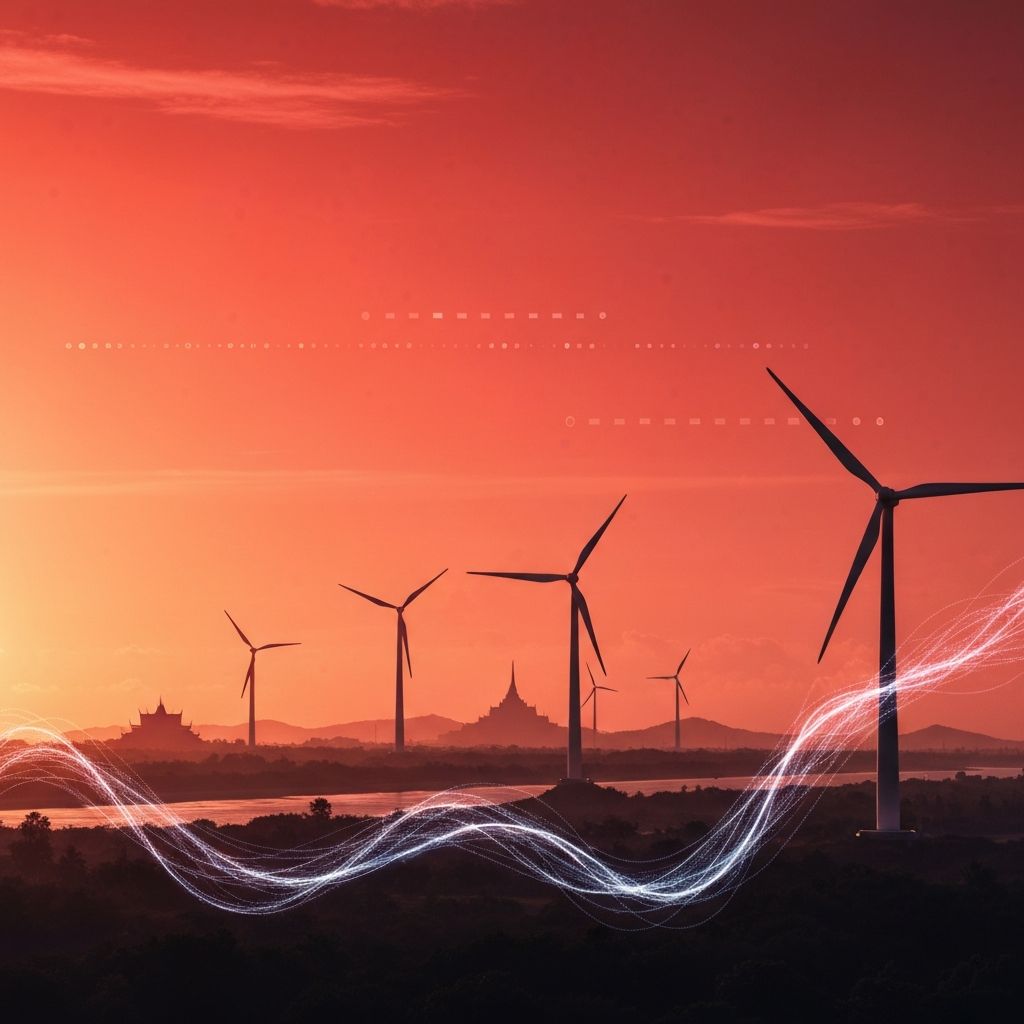
Thailand's Growing Wind Energy Landscape
Thailand has emerged as one of Southeast Asia's most ambitious players in the renewable energy revolution, with wind power playing an increasingly significant role in the country's energy mix. As the government pushes forward with its Alternative Energy Development Plan, wind energy companies have become essential partners in achieving the nation's clean energy goals. From the windy coastal plains of the south to the elevated terrains of the north, wind farms are reshaping the country's power generation footprint.
The growth of wind energy in Thailand is driven by favorable government policies, decreasing technology costs, and a strong commitment to reducing carbon emissions. Both domestic and international companies have invested heavily in establishing wind farms across the country, contributing to grid stability and energy security.
Leading Wind Energy Companies Shaping Thailand's Future
1. Wind Energy Holding Company Limited stands as one of the largest pure-play wind energy operators in Thailand. Known for its expansive Theppana and Huai Bong wind farms, the company has set benchmarks in operational efficiency and project execution. Their commitment to community engagement and environmental stewardship has made them a respected name in the renewable sector.
2. Gunkul Engineering Public Company Limited is a prominent diversified renewable energy player with significant wind energy assets. The company operates multiple wind farms and has expanded its footprint across solar and biomass as well, making it a comprehensive clean energy provider.
3. Energy Absolute Public Company Limited (EA) has made substantial investments in wind energy alongside its solar and biofuel ventures. Their Hanuman wind farm is among the largest in Southeast Asia, demonstrating the company's capability in delivering large-scale renewable projects.
4. Electricity Generating Public Company Limited (EGCO Group) is a major independent power producer with a growing wind energy portfolio. The group has been instrumental in developing utility-scale wind projects and partnering with international developers.
5. Ratch Group Public Company Limited is another leading independent power producer with wind farms operating across Thailand. The company emphasizes operational excellence and long-term sustainability in its renewable projects.
6. B.Grimm Power Public Company Limited has steadily increased its renewable energy portfolio, including wind power. The company is recognized for its strong financial performance and reliable energy delivery to industrial estates and the national grid.
7. Demco Public Company Limited specializes in electrical engineering and renewable energy construction, with notable involvement in wind farm development across the country.
8. Impact Energy Asia Development focuses on large-scale renewable projects and has been involved in developing wind energy assets in Thailand and the broader region.
9. CLP Wind Farms (Thailand) brings international expertise to Thailand's wind sector, leveraging global experience to deliver efficient and reliable wind power generation.
10. Thai Wind Energy Company has carved a niche in mid-sized wind projects, contributing to the diversification of the country's energy supply.
Industry Trends and Innovations
The Thai wind energy sector is benefitting from several emerging trends. Hybrid renewable systems combining wind, solar, and battery storage are gaining traction, allowing developers to optimize land use and grid integration. Advances in turbine technology, including taller towers and longer blades, have enabled wind farms to operate efficiently in regions previously considered unsuitable.
Digitalization is another transformative trend. Predictive maintenance powered by artificial intelligence, real-time performance monitoring, and remote diagnostics are helping operators maximize output and minimize downtime. These innovations are vital for the long-term competitiveness of wind energy in Thailand.
Benefits and Future Outlook
Wind energy offers Thailand multiple benefits, including reduced reliance on imported fossil fuels, lower greenhouse gas emissions, and the creation of skilled green jobs. The sector also supports rural development by bringing investment and infrastructure to remote areas. As Thailand pursues its carbon neutrality goals by 2050 and net-zero emissions by 2065, wind energy is expected to play an even more prominent role.
Looking ahead, offshore wind is poised to become a new frontier for Thai developers, with the Gulf of Thailand offering significant untapped potential. Combined with continued onshore expansion and supportive policies, the future of wind energy in Thailand looks bright. The companies leading this transition are not only generating clean electricity but also shaping a more sustainable economic and environmental future for the nation.
