
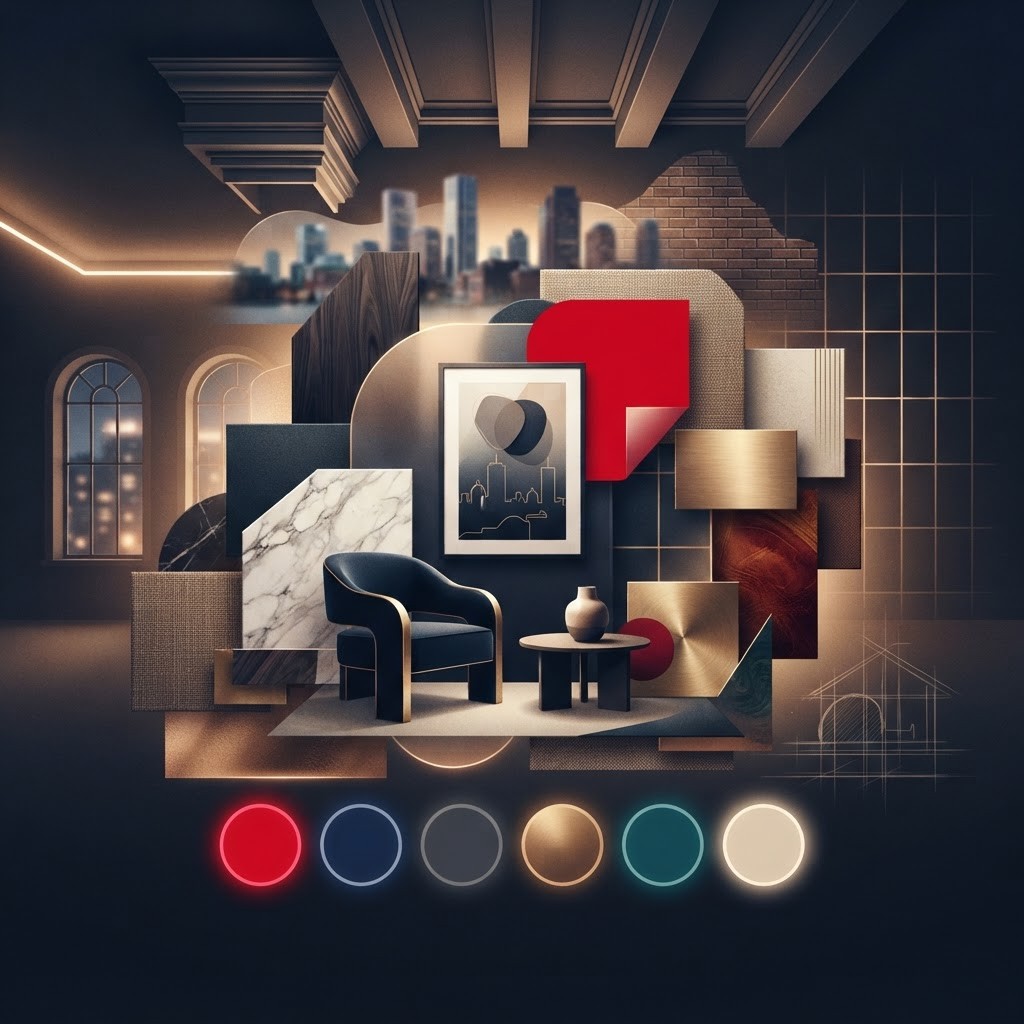
The Design Challenge Boston Presents
Designing interiors in Boston means working within genuine constraints. Brownstones and Victorians come with load bearing walls, original moldings, plaster ceilings, tight stairwells and rooms proportioned for a different era. Historic district review can govern window replacement and exterior visible elements. Condominium associations restrict flooring assemblies, plumbing relocation and work hours. Winters demand thoughtful insulation, window treatment and lighting strategy, since natural light is limited for months.
The best local firms treat these conditions as design opportunities. They know how to modernize a kitchen without erasing period character, how to bring warmth into a glass walled Seaport condominium and how to sequence permits and trades so a project actually finishes. The firms below have built reputations on exactly that competence.
Elms Interior Design
Elms Interior Design is a long established Boston firm known for refined residential work that respects architectural context. The team handles full renovations, furnishing and custom millwork, and is frequently engaged for historic townhouse projects where new systems must be integrated invisibly into original structures.
Nina Farmer Interiors
Nina Farmer Interiors is recognized for a layered, collected aesthetic that blends European influence with New England restraint. The firm work emphasizes texture, antiques mixed with contemporary pieces and thoughtful material palettes, producing interiors that feel established rather than newly decorated.
Terrat Elms Interior Design
Terrat Elms brings a bold, confident sensibility to both residential and hospitality projects. The firm is known for strong color decisions, custom furniture design and interiors that photograph beautifully while remaining practical for daily family use.
Duncan Hughes Interiors
Duncan Hughes Interiors specializes in urban residences, particularly Back Bay and South End condominiums and townhouses. The practice excels at making modest square footage feel considered and generous through careful scale, custom storage and disciplined editing.
Dane Austin Design
Dane Austin Design is known for elegant, comfortable interiors with a classic foundation and contemporary execution. The firm handles full service residential projects including space planning, finish selection, furnishing and art curation, and clients cite its clear communication and organized project management.
Kelly Rogers Interiors
Kelly Rogers Interiors focuses on family homes that balance beauty with genuine durability. The practice is a strong fit for clients with children and pets who want elevated interiors built around performance fabrics, practical layouts and materials that age well.
Charles Spada Interiors
Charles Spada Interiors brings a distinctly European influenced approach with strong emphasis on antiques, architectural detail and timeless material selection. The firm is often engaged for high end residences where craftsmanship and provenance matter as much as layout.
Frank Roop Design Interiors
Frank Roop Design Interiors is respected for sophisticated interiors with custom designed furniture and unexpected material combinations. The work tends toward quiet luxury, prioritizing proportion, tone and tactile quality over visible trend markers.
Eleven Interiors
Eleven Interiors works across residential, hospitality and commercial projects, giving the firm unusually broad technical range. Clients renovating mixed use properties or seeking hospitality inspired residential design benefit from that crossover experience, particularly in lighting and durable finish specification.
Jill Litner Kaplan Interiors
Jill Litner Kaplan Interiors delivers polished, livable interiors with strong attention to client lifestyle and how rooms actually function day to day. The firm handles renovation coordination alongside furnishing, and is often recommended for projects where the client wants a single accountable point of contact.
How Interior Design Projects Typically Unfold
Most Boston firms follow a comparable process. An initial consultation establishes scope, budget range and program. A design development phase produces floor plans, elevations, material samples and furniture selections. Documentation and permitting follow for any structural, electrical or plumbing work. Procurement runs in parallel with construction, and installation concludes with styling and a punch list. Fee structures vary among flat fee, hourly, percentage of project cost and product markup models, and clarity here prevents most client disputes.
Realistic scheduling matters. Custom upholstery, stone fabrication, specialty lighting and imported tile carry long lead times, and Boston permitting and association approvals add weeks. Firms that place orders early and build float into schedules deliver far more predictable outcomes.
Choosing the Right Firm
Match aesthetic first, because a designer works best within a language they already speak fluently. Then evaluate technical fit. A full gut renovation of a historic townhouse demands a firm comfortable with construction documentation, contractor coordination and code compliance. A furnishing only project for a new condominium is a different, lighter engagement.
Ask direct questions. Who will manage the project day to day. How is the fee structured and what triggers additional charges. How are change orders documented. What is the process if a delivered piece arrives damaged or a finish looks wrong in the space. How does the firm handle association approvals and building move in requirements. Request references from projects of similar scope and speak with them about communication and budget discipline rather than just the finished photographs.
Current Directions in Boston Interiors
Several themes are prominent. Warm minimalism has displaced stark all white interiors, with natural wood, plaster finishes, stone and textured textiles returning. Color is being used more confidently, particularly deep saturated tones in dining rooms, libraries and powder rooms. Kitchens are trending toward furniture like cabinetry, integrated appliances and honest natural materials. Home offices and flexible multipurpose rooms remain essential rather than optional. Sustainability considerations increasingly influence specification, with clients asking about material sourcing, low emission finishes, energy efficient lighting and reuse of existing built ins.
Final Thoughts
Great interior design in Boston is equal parts artistry and problem solving. The firms profiled here have each demonstrated the ability to honor historic architecture, satisfy association and permitting requirements and still deliver interiors that feel personal and current. Interview two or three, review portfolios for projects genuinely similar to yours, insist on transparent fees and schedules, and choose the team whose judgment you trust when inevitable decisions arise mid project.
