
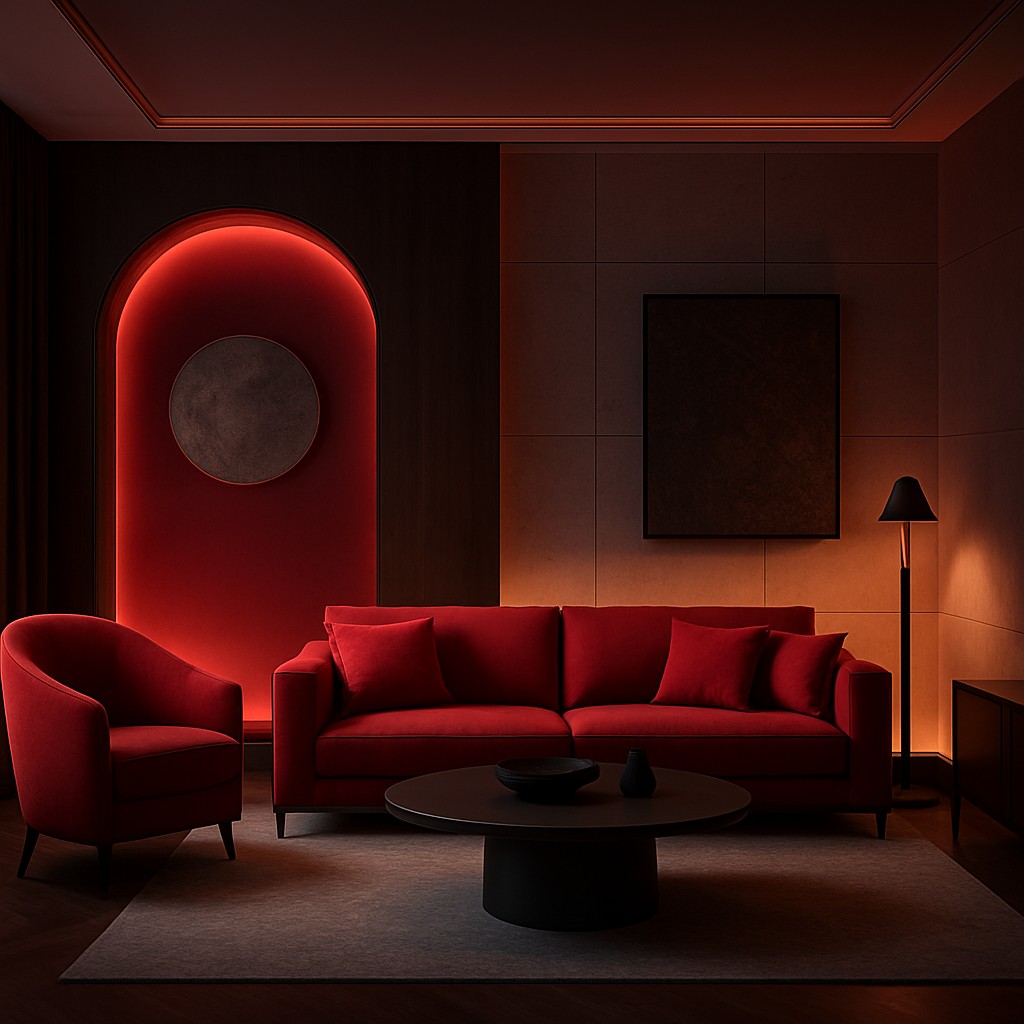
Argentina's Distinctive Design Heritage
Interior design in Argentina carries a rich and distinctive heritage, shaped by waves of European immigration, a deep appreciation for craftsmanship, and the cosmopolitan sophistication of Buenos Aires. The result is a design culture that effortlessly fuses classic elegance with modern innovation. Argentine designers are celebrated for their ability to create spaces that feel both refined and inviting, drawing on a palette of natural materials, bold artistry, and timeless proportions.
This creative tradition has produced a vibrant industry of interior design firms that serve residential, commercial, and hospitality clients across the country. From grand apartments in Recoleta to boutique hotels in Mendoza and minimalist retreats in Patagonia, Argentine designers bring vision and discipline to projects of every scale.
What Defines Great Interior Design
Exceptional interior design goes far beyond aesthetics. It harmonizes function, comfort, and beauty to enhance the way people live and work. The finest firms begin by deeply understanding their clients' needs, lifestyles, and aspirations, then translate those insights into cohesive, personalized environments.
Attention to detail is the hallmark of quality. From the selection of fabrics and finishes to the orchestration of lighting and spatial flow, every element is considered. Argentine designers are particularly skilled at balancing imported influences with local materials and artisanship, creating interiors that feel globally informed yet authentically rooted.
Celebrated Design Firms
Estudio Ramos is internationally acclaimed for its architectural and interior work, blending modernist principles with warm, contextual sensitivity. The firm's projects span luxury residences, wineries, and cultural spaces.
Juan Pablo Molyneux, though globally renowned, traces his roots to the region and is celebrated for opulent, classically inspired interiors that grace prestigious homes around the world.
Kallos Turin brings an international perspective to its Argentine projects, delivering sophisticated, restrained designs for high-end residential and commercial clients.
BAK Arquitectos is known for its striking, nature-integrated work, particularly in coastal and rural settings where architecture and interior design merge seamlessly with the landscape.
Lucila Iotti is a prominent name in residential design, praised for her elegant, livable interiors that balance contemporary trends with enduring comfort.
Design Trends Shaping Argentine Interiors
Several trends define the current Argentine design landscape. There is a strong movement toward natural materials such as wood, stone, and leather, reflecting both the country's resources and a desire for warmth and authenticity. Neutral palettes accented by bold artwork and textiles are widely embraced, allowing personal expression within sophisticated frameworks.
Sustainability has become increasingly important, with designers prioritizing locally sourced materials, energy efficiency, and timeless designs that resist the wastefulness of fast trends. Indoor-outdoor living, well suited to Argentina's climate and culture, also features prominently in contemporary projects.
Residential and Commercial Expertise
Argentine design firms serve a wide spectrum of clients. In the residential sphere, they craft everything from compact urban apartments to sprawling country estates, always tailoring their approach to the client's lifestyle. In the commercial realm, designers shape restaurants, hotels, retail spaces, and offices that must balance brand identity with functionality and customer experience.
Hospitality design has become a particular strength, as Argentina's booming tourism sector demands memorable, immersive environments that reflect regional character while meeting international standards.
Working with an Interior Designer
Collaborating with a professional interior designer offers numerous benefits. Designers bring access to exclusive resources, skilled artisans, and trade suppliers. They manage complex projects with precision, coordinating contractors, timelines, and budgets. Most importantly, they translate abstract desires into tangible, beautifully executed spaces.
When choosing a firm, clients should review portfolios, ensure aesthetic compatibility, and establish clear communication about budget and expectations. The best designer-client relationships are built on trust, transparency, and shared vision.
Conclusion
Argentina's interior design industry stands among the most accomplished in Latin America, marrying a storied heritage with forward-looking creativity. Whether transforming a private residence or a public space, the country's leading firms deliver interiors of remarkable beauty and function. For anyone seeking to elevate their environment, Argentina's design talent offers inspiration and expertise in equal measure.
