
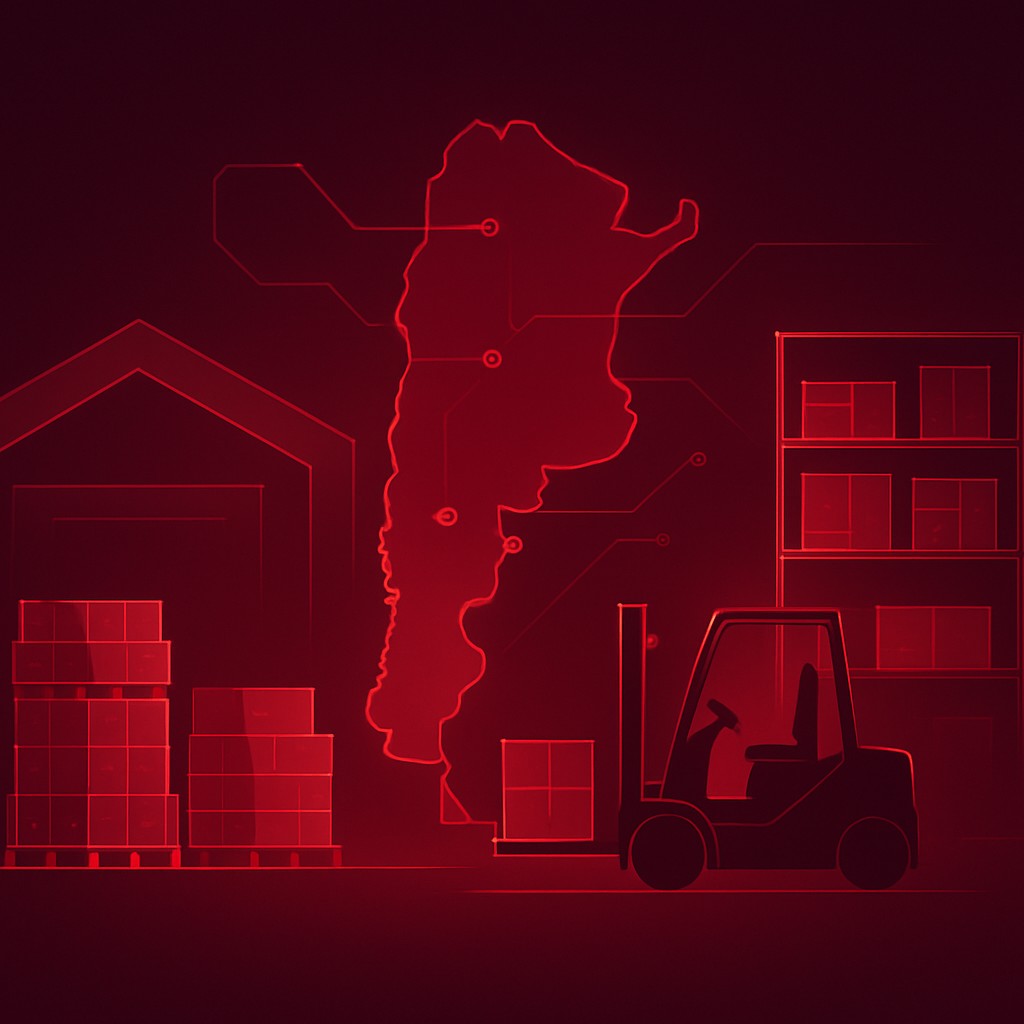
Warehousing as the Engine of Modern Logistics
Behind every smooth supply chain lies efficient warehousing, and in Argentina this sector has grown into a sophisticated and essential industry. As e-commerce expands and businesses seek to optimize inventory management, the demand for high-quality storage and fulfillment facilities has surged. Warehousing companies now provide far more than simple space; they offer integrated logistics solutions that keep goods flowing from producers to consumers.
Strategically located near major ports, highways, and urban centers, Argentine warehouses serve as critical nodes in domestic and international trade. The greater Buenos Aires region, in particular, hosts a concentration of modern logistics parks that support the country's commercial heartland.
The Services Modern Warehouses Provide
Today's leading warehousing companies offer a comprehensive suite of services. Beyond storage, these include inventory management, order fulfillment, picking and packing, cross-docking, and distribution. Many facilities feature temperature-controlled zones for perishable goods, pharmaceuticals, and other sensitive products, ensuring compliance with strict quality standards.
Value-added services such as labeling, kitting, returns processing, and quality inspection have become standard offerings. This evolution reflects the shift toward third-party logistics, where businesses outsource their entire storage and distribution operations to specialized providers, freeing them to focus on their core activities.
Leading Warehousing Providers
Several companies have established themselves as leaders in Argentine warehousing. Andreani operates extensive logistics centers that support its courier and distribution network, while Loginter and Cruz del Sur Logistica provide large-scale storage and fulfillment solutions for major retailers and manufacturers. Tasa Logistica and Celsur Logistica are recognized for their integrated supply chain services and modern infrastructure.
International logistics firms such as DHL Supply Chain and Kuehne Nagel bring globally standardized warehousing practices to the Argentine market, serving multinational clients with advanced technology and rigorous quality controls. These providers compete on the efficiency, security, and scalability of their operations.
Technology Transforming the Sector
Warehousing in Argentina is increasingly defined by technological sophistication. Warehouse management systems track inventory in real time, reducing errors and improving order accuracy. Barcode and RFID scanning, automated sorting, and data analytics enable faster processing and better visibility across the supply chain.
Some advanced facilities are beginning to incorporate robotics and automated storage and retrieval systems to maximize space utilization and speed. These innovations help companies meet the rising expectations of e-commerce customers who demand fast, accurate, and reliable order fulfillment.
Choosing the Right Warehousing Partner
Selecting a warehousing provider requires careful consideration of location, capacity, technology, and service range. Proximity to transport routes and target markets affects delivery speed and cost, while the availability of specialized storage may be essential for certain industries. Security measures, insurance, and the provider's track record also weigh heavily in the decision.
Scalability is another important factor, particularly for growing businesses. A good warehousing partner can accommodate seasonal fluctuations and long-term expansion, adapting its services as client needs evolve. Transparent pricing and strong communication round out the qualities that distinguish the best providers.
Conclusion
Warehousing has become a vital pillar of Argentina's logistics landscape, enabling businesses to store, manage, and distribute goods with efficiency and precision. The leading companies combine strategic locations, advanced technology, and comprehensive services to meet the demands of a modern economy. By partnering with a reputable warehousing provider, businesses can strengthen their supply chains and position themselves for sustainable growth in an increasingly competitive market.
