
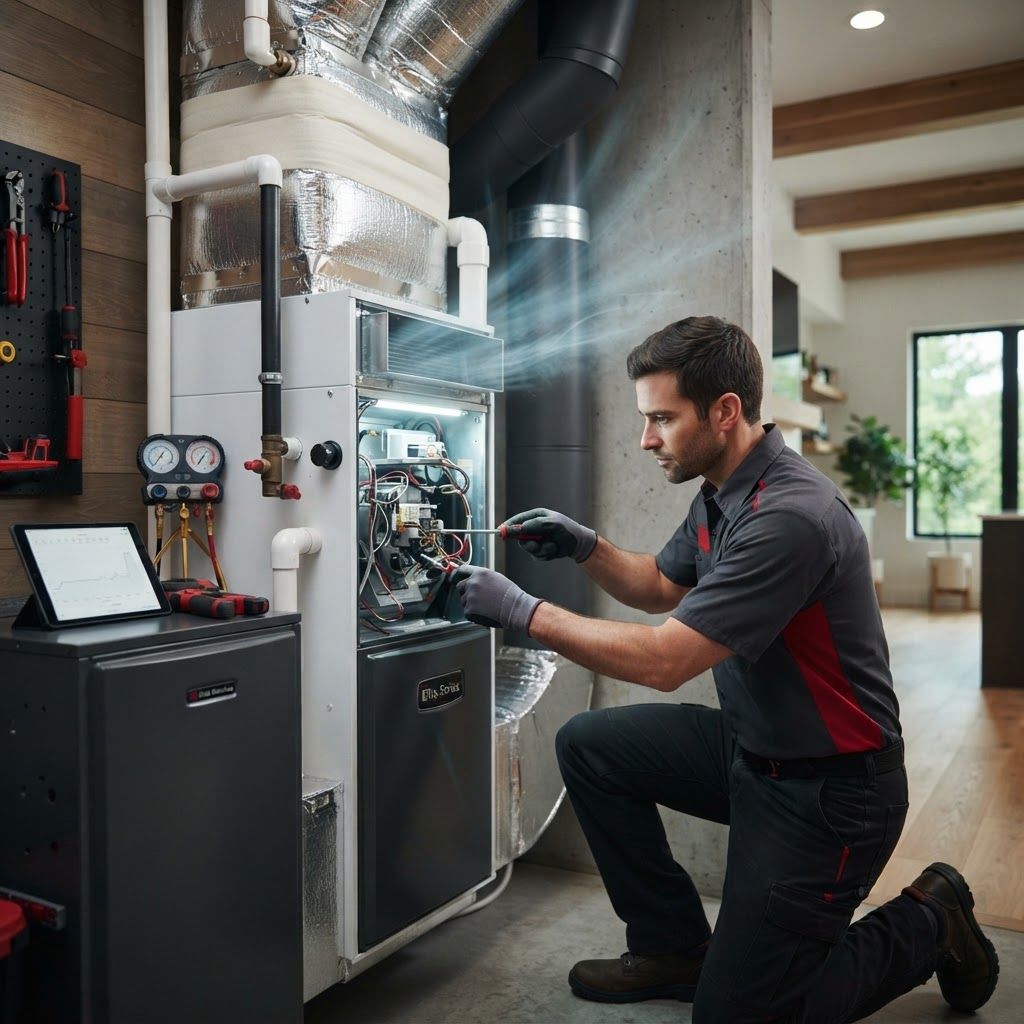
Staying Comfortable in the Texas Climate
In Austin, where summer temperatures regularly soar past the century mark, a dependable heating and cooling system is not a luxury but a necessity. HVAC companies play a vital role in keeping homes and businesses comfortable, safe, and energy-efficient throughout the long cooling season and the occasional winter freeze. From emergency air conditioning repairs during a July heat wave to full system replacements and preventive maintenance, skilled HVAC technicians are essential to daily life in Central Texas.
Given how hard these systems work in the local climate, quality installation and regular maintenance are critical to performance and longevity. The best HVAC companies combine technical expertise with honest service, helping customers optimize comfort while managing energy costs responsibly.
What Defines a Great HVAC Company
Top HVAC companies are known for prompt, reliable service, especially during peak demand when systems are most likely to fail. Proper licensing, certifications, and ongoing technician training reflect a commitment to quality. Transparent pricing and honest recommendations build trust, ensuring customers are not upsold on unnecessary repairs or equipment.
Expertise across a range of systems and brands is also important, as is the ability to design solutions tailored to a property's size and needs. The companies below have earned strong reputations for delivering exactly this level of service throughout Austin.
The Best HVAC Companies in Austin
Stan's Heating, Air & Plumbing is a longtime local favorite recognized for reliable, comprehensive service. Radiant Plumbing & Air Conditioning combines strong customer service with skilled HVAC work.
ARS/Rescue Rooter offers responsive repair and installation services backed by extensive resources, while Efficient AC, Electric & Plumbing is respected for quality and professionalism. 1st Home & Commercial Services delivers versatile HVAC solutions across the metro.
Fox Service Company brings decades of experience to heating and cooling work, and Airsystems of Austin is known for dependable installations and maintenance. Cool Zone Air Conditioning earns praise for honest, efficient service.
Precision Heating & Air provides skilled repairs and clear communication, and Comfort Zone Air Conditioning & Heating rounds out the list with reliable, customer-focused service.
HVAC Trends and Energy Efficiency
Energy efficiency dominates the modern HVAC landscape. High-SEER systems, variable-speed equipment, and smart thermostats help Austin homeowners reduce energy consumption and cope with rising utility costs. Zoned cooling systems that direct comfort where it is needed most are increasingly popular in larger homes.
Indoor air quality has also become a major focus, with advanced filtration, humidity control, and ventilation solutions improving health and comfort. Heat pump technology is gaining traction as an efficient option for both heating and cooling, and smart home integration allows homeowners to monitor and control their systems remotely for greater convenience and savings.
Right-Sizing and Maintaining a System
Equipment size should be based on a load calculation rather than the tonnage of the old unit or a simple square-foot rule. Insulation, windows, orientation, air leakage, occupancy, and duct conditions all influence cooling demand. Oversized equipment may cycle too quickly to control humidity well, while undersized equipment can struggle during peak heat. A thoughtful contractor evaluates the whole building and explains whether duct sealing, airflow correction, shading, or envelope improvements could deliver better comfort alongside new equipment.
Maintenance supports efficiency and catches problems before the hottest days. Homeowners should replace or clean filters as appropriate, keep outdoor units clear, and monitor unusual noise, odors, cycling, or changes in utility use. Professional service typically checks electrical components, refrigerant performance, drainage, airflow, and system cleanliness. Condensate management deserves particular attention because blocked drains can damage ceilings or shut systems down when they are needed most.
Comparing Replacement Proposals
HVAC bids should list model information, efficiency ratings, controls, warranty terms, permit responsibility, duct modifications, electrical work, drainage, and disposal. Clients should compare comfort features as well as headline efficiency. Variable-capacity systems can offer quieter operation and steadier temperatures, but installation quality and commissioning remain critical. Contractors should verify airflow and document that the completed system operates within manufacturer specifications.
Homeowners should also ask who provides warranty labor, how emergency calls are handled, and what maintenance is required to preserve coverage. Rebates or incentives may influence the final choice, but they should not replace careful evaluation of lifecycle cost and service support. A well-designed system installed by an accountable team can provide years of reliable comfort while avoiding the energy waste and recurring repairs associated with rushed replacement decisions.
Ask whether comfort complaints will be evaluated room by room before replacement.
Choosing the Right HVAC Partner
When selecting an HVAC company, homeowners should verify licensing, read reviews, and ask about maintenance plans and warranties. A trustworthy company provides detailed estimates, explains options clearly, and prioritizes long-term reliability over quick sales. The companies featured here have consistently delivered the expertise and dependable service that Austin residents rely on to stay comfortable in every season.
