
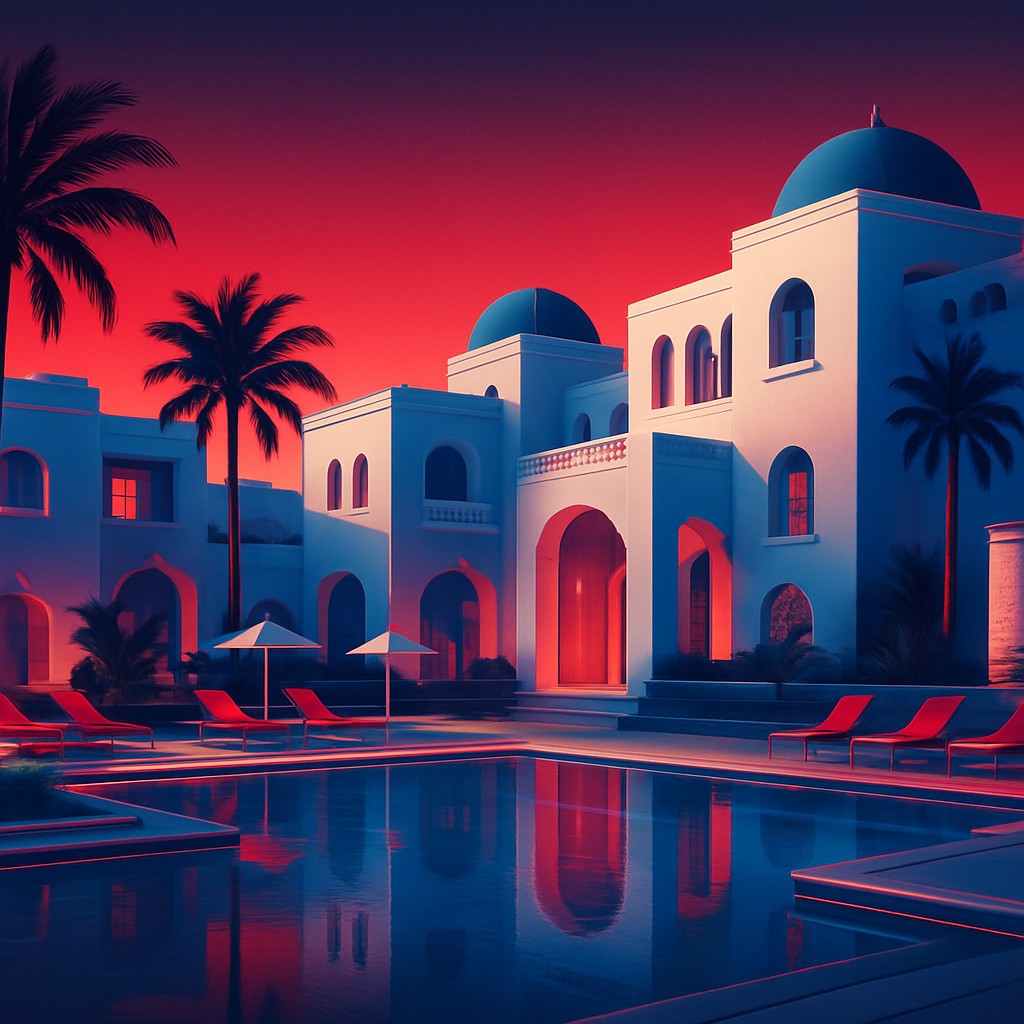
Why Tunisia Has Become a Standout Hospitality Destination
Tunisia sits at a remarkable crossroads of Mediterranean elegance, North African tradition, and emerging modern luxury. Over the past decade, the country has invested heavily in upgrading its hotel infrastructure, attracting both international chains and homegrown brands that understand the rhythm of Tunisian hospitality. Travelers arriving in cities like Tunis, Sousse, Hammamet, and Djerba now find a hotel landscape that ranges from sprawling all-inclusive beach resorts to intimate boutique riads tucked inside ancient medinas.
The appeal lies in the variety. A visitor can spend the morning lounging beside an infinity pool overlooking the Mediterranean and the evening dining in a restored courtyard house decorated with hand-painted tiles. This blend of comfort and culture is what elevates the best Tunisian hotels above the ordinary, and it explains why hospitality has become a cornerstone of the national tourism economy.
What Defines a Top-Tier Hotel in Tunisia
The leading hotels in Tunisia distinguish themselves through a combination of location, service quality, wellness facilities, and authentic design. Beachfront positioning remains a major draw, particularly in resort towns where guests expect direct access to soft sand and calm waters. Beyond the view, however, discerning travelers look for thoughtful touches: locally sourced cuisine, traditional hammam spas, multilingual staff, and architecture that reflects Tunisia's heritage rather than generic international styling.
Sustainability is increasingly central as well. Many premium properties now emphasize water conservation, regional sourcing, and partnerships with local artisans, recognizing that modern guests value responsibility alongside indulgence.
Leading Hotels and Hospitality Brands
The Residence Tunis is frequently cited as one of the most refined addresses in the country. Set along the Gammarth coastline near Tunis, it pairs spacious sea-view rooms with a renowned thalassotherapy spa, manicured gardens, and a reputation for discreet, polished service that appeals to luxury travelers and business guests alike.
Four Seasons Hotel Tunis brings internationally recognized standards to the capital region, offering elegant interiors, a beachfront setting, multiple dining venues, and a wellness center that has become a benchmark for the local market. Its consistency and brand reliability make it a favorite for travelers seeking familiar five-star assurances.
Dar El Jeld Hotel and Spa represents the boutique heritage experience. Located inside the Tunis medina, this restored palace immerses guests in authentic Tunisian craftsmanship, with intricate woodwork, traditional courtyards, and a celebrated restaurant that has long anchored the city's culinary scene.
Hasdrubal Prestige Thalassa and Spa on the island of Djerba is known for its expansive suites, swim-up rooms, and one of the largest thalassotherapy centers in the region, drawing wellness-focused visitors year-round.
Mövenpick Resort and Marine Spa Sousse blends a central beachfront location with family-friendly amenities, vibrant dining, and a lively atmosphere that suits both leisure travelers and event guests.
Other respected names include The Sindbad in Hammamet, prized for its adults-oriented serenity and refined gastronomy; La Badira, a sleek design-led adults-only retreat in Hammamet celebrated for contemporary architecture; Anantara Tozeur Resort, which offers a striking desert-edge experience near the oasis town of Tozeur; Radisson Blu Resort and Thalasso Djerba, valued for its dependable service and seaside comfort; and Iberostar Selection Royal El Mansour in Mahdia, known for its elegant all-inclusive offering and tranquil beach setting.
Trends Shaping Tunisian Hotels
Wellness tourism is one of the strongest forces in the market. Tunisia is globally recognized for thalassotherapy, the use of seawater and marine elements for therapeutic treatments, and many flagship hotels build their identity around expansive spa facilities. This positions the country as a serious competitor to other Mediterranean wellness destinations.
Boutique and heritage hospitality is also rising. Restored dars and palaces inside historic medinas allow guests to experience the country's architectural soul while enjoying modern comforts. Meanwhile, design-forward adults-only properties cater to couples and travelers seeking calm, sophisticated environments.
Choosing the Right Hotel for Your Trip
Selecting the ideal hotel depends on the experience you want. Beach resort seekers gravitate toward Hammamet, Sousse, Mahdia, and Djerba, where all-inclusive packages and seaside leisure dominate. Culture-focused travelers prefer boutique stays within the medinas of Tunis or the desert charm of Tozeur. Wellness travelers should prioritize properties with established thalassotherapy centers, while families benefit from resorts offering kids' clubs and varied dining.
It is also wise to consider the season. Tunisia's Mediterranean climate makes spring and autumn especially pleasant, with comfortable temperatures and fewer crowds, allowing guests to enjoy both the coastline and inland attractions.
Final Thoughts
The best hotels in Tunisia succeed because they balance international standards with genuine local character. Whether you are drawn to the marine spas of Djerba, the heritage courtyards of Tunis, or the desert luxury of Tozeur, the country offers a hospitality experience that feels both indulgent and authentic. As Tunisia continues to invest in quality and sustainability, its leading hotels are well positioned to remain among the most compelling in the Mediterranean region.
