
Introduction to Japan's Hospitality Excellence
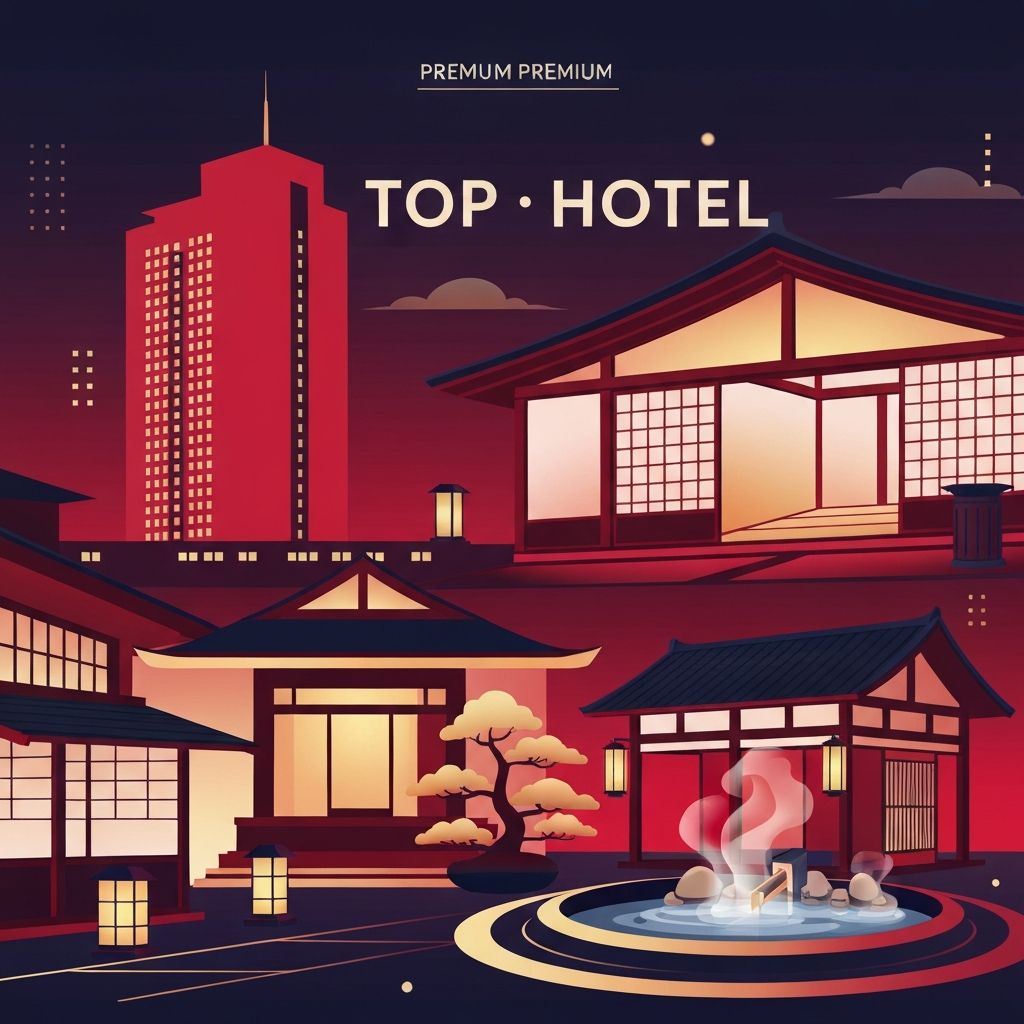
Japan's hotel industry is renowned for its blend of traditional hospitality and cutting-edge luxury. From towering Tokyo skyscrapers with panoramic city views to centuries-old ryokans nestled in mountain valleys, Japanese hotels offer experiences that go far beyond accommodation. The spirit of omotenashi, or wholehearted hospitality, guides every interaction, making each stay deeply memorable.
Why Japanese Hotels Are World-Class
Japanese hotels combine impeccable service with thoughtful design, advanced technology, and exquisite cuisine. Whether you're staying in a five-star urban resort or a rural inn with onsen baths, you'll find an unmatched attention to detail. From perfectly folded towels to multi-course kaiseki meals, every element is curated to delight guests.
1. Aman Tokyo
Aman Tokyo occupies the top floors of the Otemachi Tower and offers a serene retreat in the heart of the city. The hotel features expansive rooms, a stunning spa, and traditional Japanese design elements. Its understated luxury and exceptional service make it a top choice for discerning travelers.
2. The Ritz-Carlton, Kyoto
The Ritz-Carlton, Kyoto is a riverside sanctuary that blends modern luxury with Japanese tradition. Guests enjoy elegant rooms, a renowned spa, and exquisite dining options. The hotel's location near historic temples and gardens enhances its appeal.
3. Park Hyatt Tokyo
Park Hyatt Tokyo is an iconic hotel known for its sweeping city views, sophisticated interiors, and world-class dining. Featured in films and beloved by international travelers, the property offers a quiet luxury that defines Tokyo hospitality.
4. Hoshinoya Tokyo
Hoshinoya Tokyo is a unique urban ryokan that brings traditional Japanese inn culture into the modern city. Guests experience tatami floors, futon beds, and a rooftop onsen, all while staying steps from Tokyo's business district.
5. Tawaraya Ryokan, Kyoto
Tawaraya is one of Japan's oldest and most prestigious ryokans, with over three hundred years of history. The inn offers an authentic experience with traditional rooms, kaiseki dining, and impeccable service rooted in generations of hospitality.
6. The Peninsula Tokyo
The Peninsula Tokyo is a five-star hotel located near the Imperial Palace. Known for its spacious rooms, fine dining, and personalized service, the hotel combines international luxury with Japanese sensibility.
7. Mandarin Oriental, Tokyo
Mandarin Oriental, Tokyo sits atop the Nihonbashi Mitsui Tower and offers stunning views of Mount Fuji on clear days. The hotel is celebrated for its Michelin-starred restaurants, elegant spa, and refined design.
8. Hoshinoya Karuizawa
Hoshinoya Karuizawa is a serene mountain retreat that combines ryokan tradition with eco-conscious design. The resort features villa-style accommodations, hot spring baths, and immersive nature experiences.
9. The Tokyo Station Hotel
The Tokyo Station Hotel, housed in a historic red-brick building, offers classic European elegance with Japanese hospitality. Its central location and timeless design make it a favorite for business and leisure travelers.
10. Gora Kadan, Hakone
Gora Kadan is a luxurious ryokan in Hakone, set within a former imperial retreat. Guests enjoy private onsens, exquisite cuisine, and stunning views of the surrounding mountains, making it a perfect escape from city life.
Trends in Japan's Hotel Industry
Japanese hotels are increasingly focused on sustainability, wellness, and cultural immersion. Many properties offer eco-friendly amenities, locally sourced cuisine, and experiences such as tea ceremonies, calligraphy lessons, and forest bathing. Technology integration, including smart rooms and contactless check-in, is also becoming standard.
Choosing the Right Hotel in Japan
When selecting a hotel in Japan, consider the type of experience you seek. Urban luxury hotels are ideal for sightseeing and business, while traditional ryokans offer cultural immersion. Resort properties in regions like Hakone, Kyoto, and Hokkaido provide relaxation and natural beauty. Always check for amenities like onsen access, dining options, and proximity to attractions.
Conclusion
Japan's top hotels offer experiences that transcend ordinary travel. From ultramodern city stays to centuries-old ryokans, each property reflects the country's commitment to excellence and hospitality. A stay at any of these hotels promises not just comfort, but a deeper connection to Japan's culture, beauty, and traditions.
