
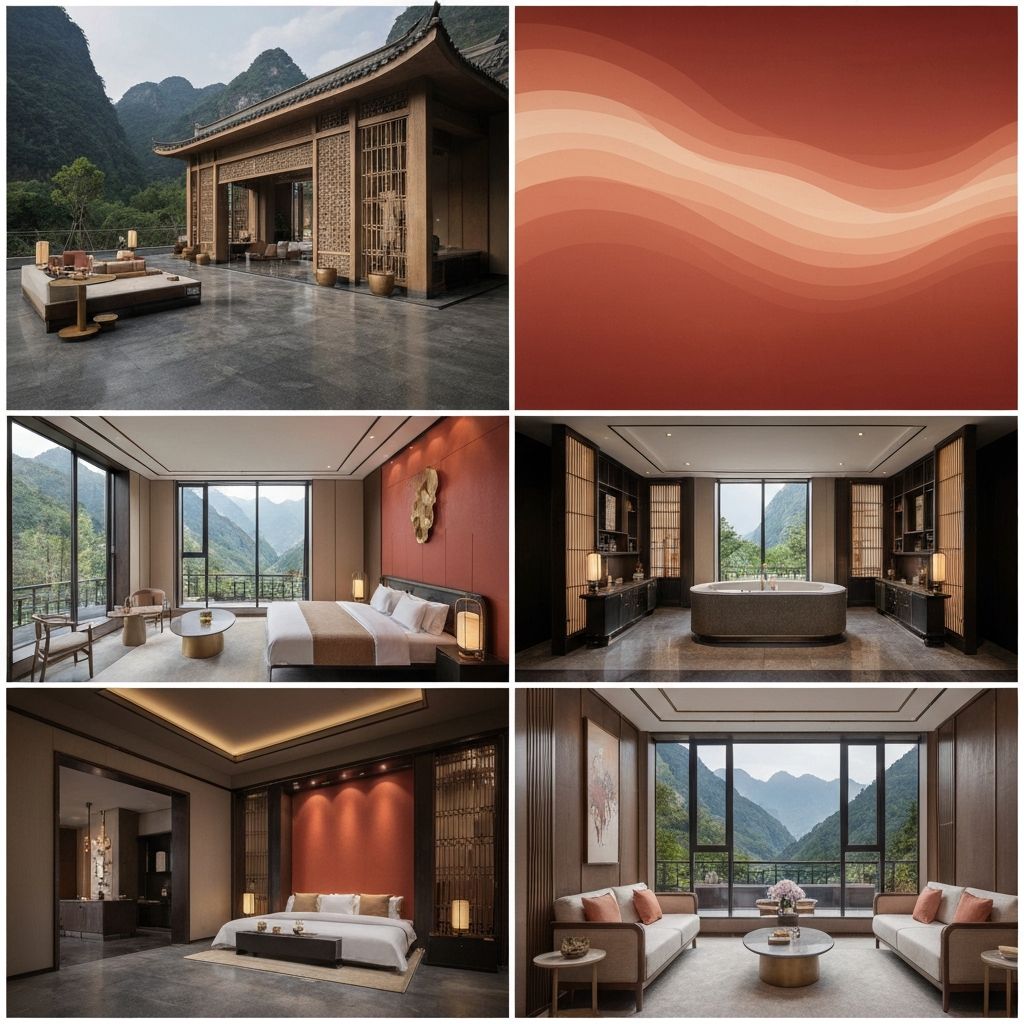
The Art of Chinese Hospitality
China's hotel industry has flourished alongside the country's economic development, attracting both international luxury brands and nurturing exceptional homegrown hospitality companies. The concept of hospitality runs deep in Chinese culture, with traditions of welcoming guests graciously dating back millennia. Modern Chinese hotels blend this cultural heritage with contemporary luxury standards, creating experiences that honor tradition while delivering world-class comfort. From bustling megacities to serene countryside retreats, China offers accommodations that cater to every preference and purpose.
The diversity of China's hotel landscape reflects the country's regional variations and travel purposes. Business travelers find sophisticated urban hotels with comprehensive business facilities, while leisure seekers discover resorts offering relaxation and cultural immersion. Heritage properties allow guests to sleep within historic walls, while cutting-edge contemporary hotels showcase architectural innovation. Understanding this diversity helps travelers select properties that align with their journey objectives and personal preferences.
1. Aman Summer Palace, Beijing
Aman Summer Palace offers an extraordinary experience within the grounds of one of China's most significant imperial sites. This intimate hotel occupies century-old pavilions and guest houses that once served the Imperial family's guests, providing authentic connection to Chinese imperial history. Each suite features traditional Chinese design elements interpreted with Aman's renowned minimalist aesthetic and exceptional comfort. Guests enjoy privileged access to the Summer Palace grounds outside public hours, enabling peaceful exploration of this UNESCO World Heritage site. The hotel's restaurants serve refined Chinese cuisine, while the spa offers treatments blending Eastern wellness traditions with contemporary techniques.
2. The Peninsula Shanghai
The Peninsula Shanghai commands a prestigious position on the Bund, offering views across the Huangpu River to Pudong's dramatic skyline. This art deco-inspired property combines glamorous 1920s Shanghai aesthetics with modern luxury and cutting-edge technology. Spacious rooms and suites feature classical design elements, luxurious bedding, and sophisticated entertainment systems controlled via tablet interfaces. The hotel's restaurants span cuisines from Cantonese to Continental, while the rooftop terrace provides magical evening views of illuminated Shanghai. Peninsula's legendary service ensures guests receive attentive care throughout their stay.
3. Four Seasons Resort Hangzhou at West Lake
Four Seasons Resort Hangzhou provides a tranquil retreat on the shores of legendary West Lake, one of China's most celebrated natural beauty spots. The resort's architecture draws from traditional Jiangnan aesthetics, featuring pavilions, gardens, and water features that create serene ambiance. Spacious accommodations offer lake or garden views, with design details reflecting local craftsmanship and cultural motifs. The resort's Jinsha restaurant presents innovative Hangzhou cuisine, while the spa incorporates traditional Chinese wellness practices. Guests can explore West Lake by private boat, bike along scenic paths, or simply contemplate the changing beauty of this iconic landscape.
4. The Opposite House, Beijing
The Opposite House has redefined boutique hotel experience in Beijing with its striking architecture by renowned Japanese architect Kengo Kuma. Located in the vibrant Sanlitun district, the hotel offers contemporary design sensibility that appeals to creative travelers and design enthusiasts. Open-plan studios feature floor-to-ceiling windows, oak floors, and carefully curated details that create welcoming atmospheres. The hotel's restaurants and bars have become destinations in themselves, attracting Beijing's cosmopolitan crowd. Service maintains a personal, unstuffy character that distinguishes the property from more formal luxury hotels.
5. Mandarin Oriental Pudong, Shanghai
Mandarin Oriental Pudong occupies a prime position in Shanghai's financial district, providing convenient access for business travelers while offering exceptional facilities for all guests. The hotel's interiors combine contemporary sophistication with subtle Chinese influences, creating elegant environments for work and relaxation. Spacious rooms feature floor-to-ceiling windows with stunning city views, while technology integration ensures seamless connectivity. The spa offers comprehensive wellness experiences including signature treatments, while restaurants serve refined cuisines from East and West. Mandarin Oriental's renowned service standards ensure every guest receives thoughtful attention.
6. Rosewood Beijing
Rosewood Beijing brings the brand's ultra-luxury residential experience to China's capital, offering spacious accommodations designed with extraordinary attention to detail. Located along the historic Chang'an Avenue, the hotel provides convenient access to Forbidden City and other significant sites. Each room and suite features bespoke furnishings, curated artwork, and amenities that exceed typical luxury standards. Multiple dining venues offer diverse culinary experiences, from traditional Chinese to contemporary international cuisines. The spa features extensive treatment menus and outstanding facilities including one of Beijing's largest indoor swimming pools.
7. Banyan Tree Lijiang
Banyan Tree Lijiang provides a luxury retreat in Yunnan Province, offering views of the dramatic Jade Dragon Snow Mountain. This resort embraces the region's natural beauty and Naxi cultural heritage, creating immersive experiences that connect guests with their surroundings. Private villas feature traditional architectural elements, outdoor spaces, and exceptional comfort standards that define Banyan Tree properties. The resort's spa draws from both Chinese and Southeast Asian wellness traditions, while restaurants showcase local Yunnan ingredients and flavors. Activities include exploring nearby UNESCO-listed Old Town Lijiang and trekking through stunning mountain landscapes.
8. Park Hyatt Shanghai
Park Hyatt Shanghai occupies the upper floors of the Shanghai World Financial Center, providing some of the world's highest hotel accommodations with corresponding spectacular views. This sky-high retreat offers sophisticated design, intuitive service, and panoramic vistas that create memorable stays. Rooms feature contemporary elegance with warm materials and thoughtful details, while floor-to-ceiling windows frame ever-changing urban scenery. The hotel's restaurants and bars capitalize on their elevated positions, creating dramatic dining and drinking experiences. Service reflects Park Hyatt's residential philosophy, treating guests as honored visitors rather than hotel customers.
9. The Ritz-Carlton, Hong Kong
The Ritz-Carlton, Hong Kong claims the title of world's highest hotel, occupying floors 102-118 of the International Commerce Centre. This sky-scraping property delivers exceptional luxury with breathtaking views extending across Victoria Harbour and beyond. Rooms and suites feature sophisticated design and premium amenities, while the spa and pool facilities offer relaxation with unmatched perspectives. The hotel's restaurants include Michelin-starred options presenting Chinese and Italian cuisines at extraordinary heights. Ritz-Carlton's legendary service ensures every guest experience meets the highest standards of luxury hospitality.
10. St. Regis Lhasa Resort
St. Regis Lhasa Resort provides ultra-luxury accommodations in one of the world's most remarkable destinations, offering comfort at high altitude near the Potala Palace. This stunning property blends Tibetan architectural elements with St. Regis sophistication, creating unique environments that honor local culture. Accommodations feature traditional craftsmanship, contemporary amenities, and design details that reflect the surrounding Himalayan landscape. The resort assists guests in acclimatizing to altitude while providing exceptional dining, spa services, and exploration opportunities. Staying here provides intimate connection with Tibet's spiritual landscape while enjoying world-class hospitality.
Booking Strategies for China Hotels
Hotel pricing in China fluctuates significantly based on season, holidays, and local events. Major Chinese holidays including Chinese New Year, Golden Week in October, and Labour Day create peak demand and elevated prices in popular destinations. Business destinations may offer weekend discounts, while leisure properties might provide weekday value. Loyalty programs from international hotel groups provide benefits and upgrades that enhance value. Booking directly with hotels or through their preferred channels often yields best rates and flexibility compared to third-party platforms.
