
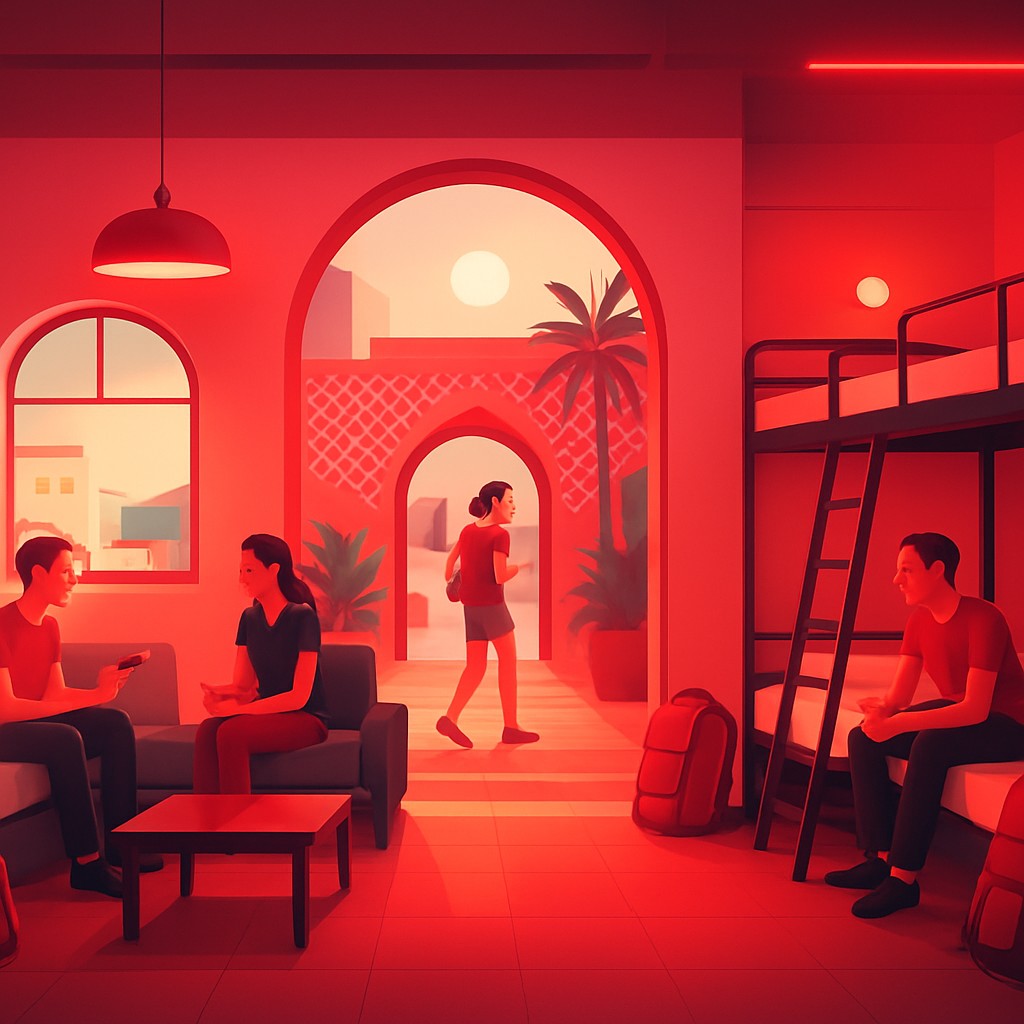
The Rise of Hostel Culture in Tunisia
Tunisia has long been associated with resort tourism, but a quieter revolution has been taking place among independent and budget-conscious travelers. A new generation of hostels has emerged across the country, catering to backpackers, digital nomads, solo adventurers, and young explorers who want authentic experiences without the price tag of a luxury resort. These properties emphasize community, affordability, and local connection, offering a refreshing alternative to traditional hotels.
From the bustling capital of Tunis to the coastal towns and southern desert gateways, hostels now provide comfortable dormitories, private budget rooms, shared kitchens, and social lounges where travelers from around the world meet and share stories. This shift reflects a broader trend toward experiential, flexible, and community-driven travel.
What Makes a Great Hostel
The best hostels in Tunisia are defined by atmosphere as much as by price. Cleanliness, security, and comfortable bedding are essential baseline expectations, but what truly sets a standout hostel apart is its sense of community. Welcoming common areas, knowledgeable staff who offer local tips, organized activities, and a genuinely social environment transform a simple overnight stay into a memorable part of the journey.
Location also matters enormously. Travelers value hostels positioned near medinas, transport hubs, and key attractions, allowing easy exploration on foot or by public transit. Reliable Wi-Fi has become equally critical, particularly for the rising number of remote workers integrating Tunisia into their travel routes.
Top Hostels Across the Country
Hostel Dar El Medina in Tunis is a favorite among first-time visitors, offering an authentic location within walking distance of the historic medina, friendly multilingual staff, and a relaxed communal vibe that helps solo travelers feel instantly at home.
Carthageland Youth Hostel appeals to those who want proximity to the ancient ruins of Carthage and the picturesque village of Sidi Bou Said, combining affordability with one of the most scenic settings in the country.
Medina Hostel Tunis is known for its lively social atmosphere, communal breakfasts, and a layout designed to encourage interaction, making it ideal for backpackers eager to connect with fellow travelers.
Sidi Bou Said Guesthouse Hostel blends budget pricing with the charm of Tunisia's most photogenic town, where blue-and-white architecture overlooks the Mediterranean.
Hammamet Beach Hostel brings the hostel concept to the country's most popular resort region, offering easy beach access at a fraction of resort prices, along with a youthful, energetic crowd.
Additional well-regarded options include Auberge de Jeunesse Sousse, a long-standing youth hostel valued for its central location and dependable budget accommodation; Djerba Backpackers, which provides island-style relaxation and a social courtyard near the beaches; Tozeur Desert Hostel, a popular base for travelers heading into the Sahara and nearby oases; Kairouan Medina Hostel, ideal for exploring one of Islam's holiest cities and its remarkable architecture; and Bizerte Port Hostel, favored by those discovering the northern coastline and its laid-back maritime charm.
Who Hostels Are Best For
Hostels in Tunisia serve a diverse clientele. Solo travelers benefit from the built-in social environment, which makes it easy to find companions for day trips or shared meals. Budget-conscious explorers appreciate the dramatic cost savings compared to hotels, freeing up funds for experiences and longer stays. Digital nomads increasingly favor hostels with strong Wi-Fi and dedicated workspaces, while groups of friends enjoy private dormitory bookings that combine affordability with togetherness.
Families and older travelers may also find boutique-style hostels with private rooms a comfortable middle ground between budget and quality, especially as many properties now offer en-suite options alongside traditional shared dorms.
Tips for a Great Hostel Experience
To make the most of a hostel stay, travelers should pack a padlock for shared lockers, bring earplugs for dormitory settings, and remain open to the social opportunities that define hostel life. Booking ahead during peak summer months is advisable, as the most popular properties fill quickly. Engaging with hostel staff often unlocks insider recommendations for authentic local restaurants, hidden beaches, and reliable transport options that guidebooks may overlook.
How Hostels Compare to Other Accommodation
Compared with hotels and resorts, hostels offer a fundamentally different value proposition. While a resort delivers privacy, full-service amenities, and predictability, a hostel trades some of those comforts for affordability, flexibility, and human connection. For travelers on extended journeys, the savings can be substantial, allowing weeks of exploration on a budget that might cover only a few nights elsewhere. Hostels also tend to occupy central, characterful locations within medinas and old towns, placing guests at the heart of local life rather than in isolated tourist enclaves.
Importantly, the modern Tunisian hostel is far more polished than the spartan dormitories of the past. Many now feature stylish interiors, curated communal spaces, on-site cafes, and thoughtfully designed private rooms, blurring the line between budget lodging and boutique guesthouse. This evolution has broadened their appeal well beyond the traditional backpacker crowd.
Final Thoughts
The hostel scene in Tunisia is flourishing, offering an affordable and deeply rewarding way to experience the country. Whether you are wandering the medina of Tunis, relaxing on the beaches of Djerba, or preparing for a Saharan adventure from Tozeur, the nation's best hostels provide comfort, community, and unbeatable value. For travelers who prioritize connection and authenticity over luxury, Tunisia's growing network of hostels makes independent exploration both accessible and unforgettable.
