
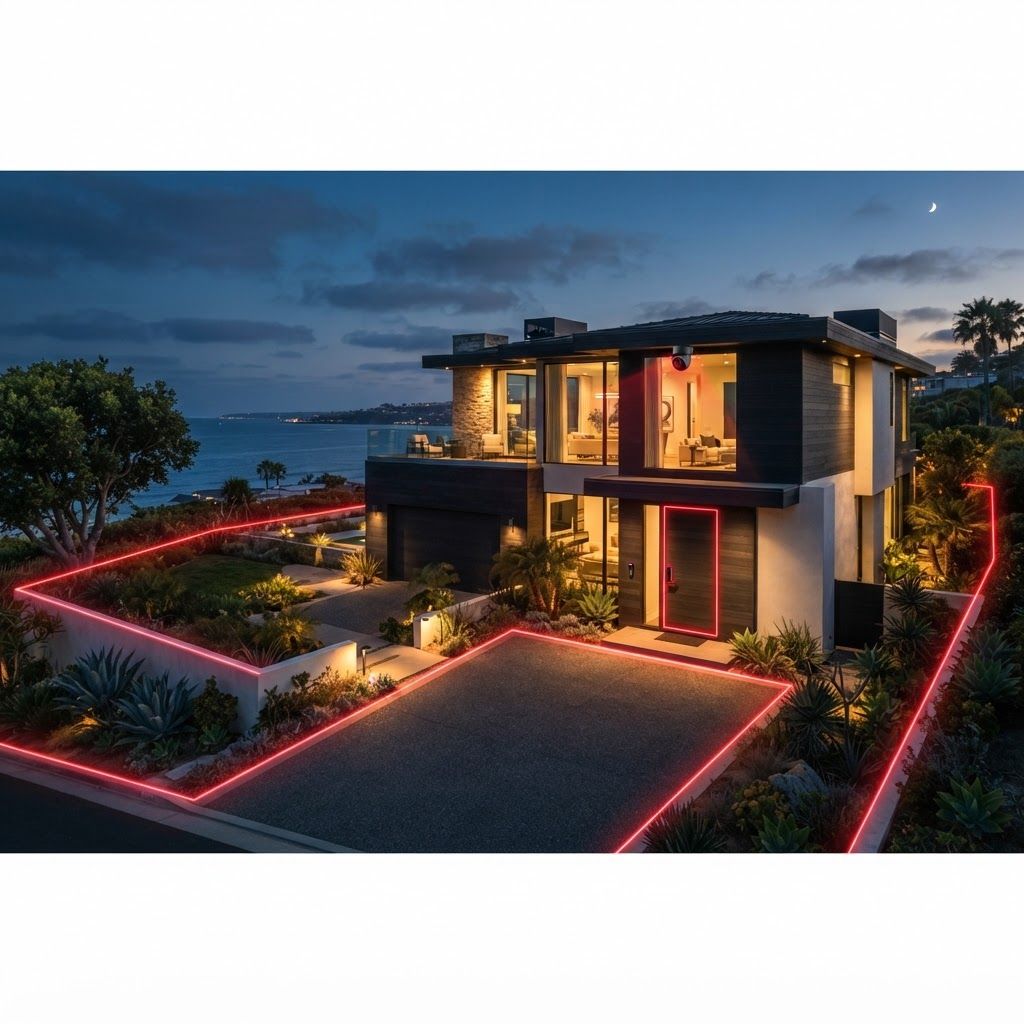
Building a layered home-security plan
Home security in San Diego should reflect the property, neighborhood, household routines, and risks rather than a generic equipment bundle. A condo may prioritize controlled access and package monitoring, while a canyon-edge home may need perimeter coverage and reliable connectivity. Technology works best alongside strong doors, lighting, landscaping, and daily habits. The providers below offer different combinations of professional installation, monitoring, smart-home integration, and do-it-yourself flexibility.
1. ADT
ADT is a major national provider with professionally installed alarm, video, life-safety, and smart-home options. Its established monitoring infrastructure and broad service footprint appeal to homeowners who want a traditional managed system. Review contract duration, equipment ownership, moving terms, and video-storage fees carefully.
2. Vivint
Vivint combines professional installation with integrated cameras, locks, sensors, thermostats, and app controls. Its unified smart-home experience is a key strength for customers who want automation as well as intrusion detection. Financing and service commitments should be compared against the full multi-year cost.
3. Bay Alarm
Bay Alarm is a California-based security company serving residential and commercial customers. It provides intrusion, fire, video, and access solutions with professional support. Regional roots and commercial capability make it worth considering for larger homes, small businesses, and mixed security needs.
4. Alert 360
Alert 360 offers professionally monitored security, cameras, automation, and life-safety devices. Its systems can suit customers who prefer a managed installation and connected controls. Ask whether quoted devices use cellular communication and what happens during internet or power outages.
5. SD Alarm
SD Alarm is a local provider serving homes and businesses with alarms, video surveillance, access control, and monitoring. Local design expertise can be useful for properties requiring a tailored camera layout or integration with existing equipment. Confirm who monitors the system and how service calls are handled.
6. Rancho Santa Fe Security Systems
Rancho Santa Fe Security Systems serves residential and commercial properties, including higher-end and custom applications. Its capabilities can support sophisticated intrusion, fire, video, and automation requirements. For complex estates, customers should prioritize system documentation, network security, and long-term serviceability.
7. NorthStar Security
NorthStar provides security and automation solutions that may include intrusion sensors, video, and smart controls. Professionally designed systems can reduce blind spots and ensure devices communicate reliably. Customers should compare monitoring terms and compatibility with future additions.
8. SimpliSafe
SimpliSafe is known for straightforward do-it-yourself installation with optional professional monitoring. It can suit renters and homeowners seeking flexible equipment without a conventional installation process. Device placement, Wi-Fi conditions, battery maintenance, and self-install accuracy remain the customer's responsibility.
9. Ring Alarm
Ring combines alarm components, doorbells, cameras, lighting, and app-based controls. Its broad consumer ecosystem is convenient for households already using compatible devices. Prospective users should study recording subscriptions, shared-user permissions, privacy controls, and the limits of cloud-dependent features.
10. Frontpoint
Frontpoint offers self-installed security equipment with remote guidance and monitoring options. The model bridges do-it-yourself setup and professional support. It may appeal to residents who want portability, but total equipment, monitoring, and video costs should be evaluated together.
Features that matter
A resilient alarm should use cellular communication and battery backup, provide clear arming status, and distinguish entry, motion, glass-break, smoke, and water events. Camera resolution matters less if placement, lighting, angle, or network reliability is poor. Avoid pointing cameras into neighbors' private spaces, use strong unique passwords, enable multi-factor authentication, and restrict account access.
Professional monitoring can coordinate emergency response when a resident cannot act, but it does not guarantee immediate police arrival. Ask about verification processes, false-alarm prevention, local registration requirements, and potential municipal fees. Households should practice duress and emergency procedures and keep contact lists current.
Comparing total value
Request an itemized list of equipment, installation charges, recurring fees, rate changes, warranty coverage, cancellation rules, and ownership terms. Determine whether devices can operate or be reused after service ends. A strong provider should perform a thoughtful assessment rather than relying on fear. The best system is one the household understands and uses consistently, supported by physical security improvements and responsible privacy practices.
