
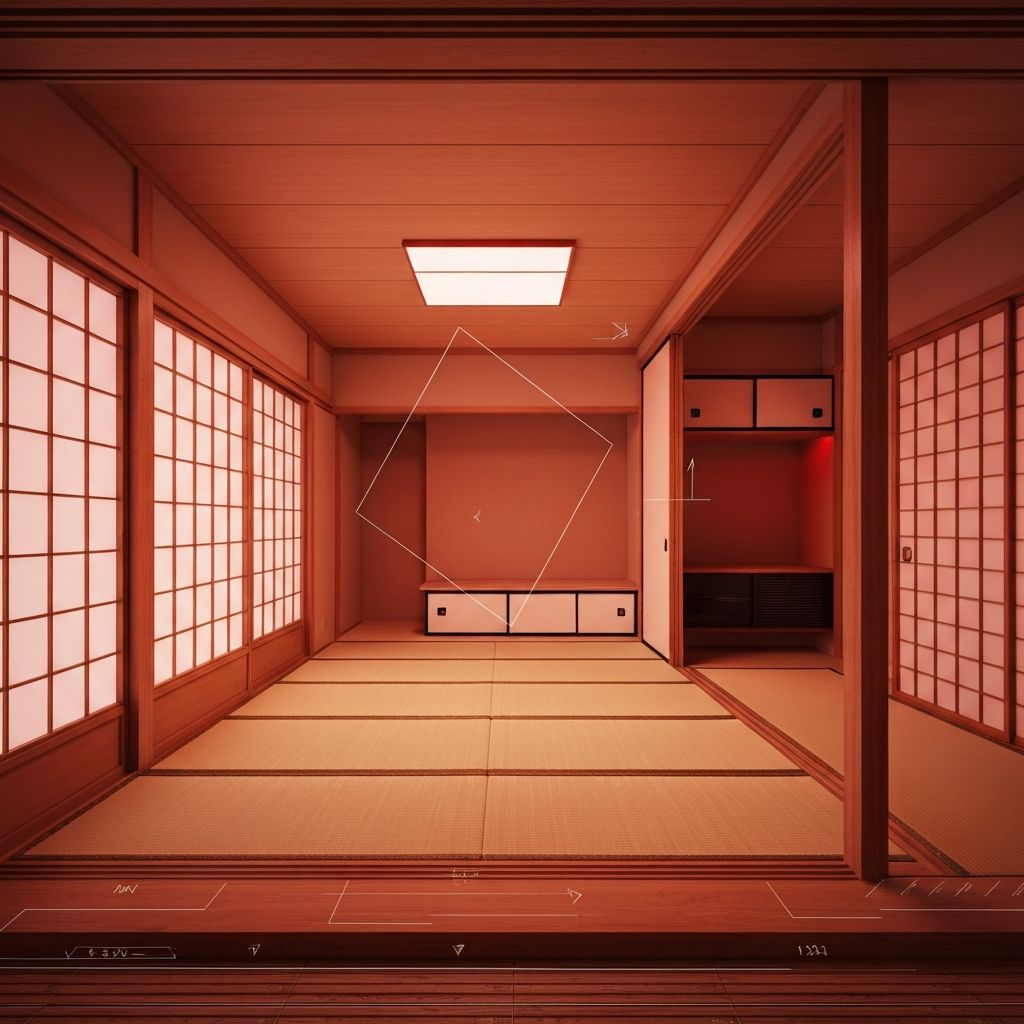
Home Renovation in Japan: A Booming and Refined Market
Home renovation has become one of Japan's most dynamic construction sectors, fueled by an aging housing stock, evolving lifestyle preferences, and a renewed appreciation for high-quality craftsmanship. Whether updating a traditional wooden machiya in Kyoto, modernizing a Showa-era family home in Osaka, or transforming an apartment in Tokyo, Japanese homeowners look for renovation partners who understand structural integrity, energy efficiency, and timeless design.
The country's leading renovation companies stand out by offering full-service solutions, from architectural consulting and structural reinforcement to interior styling and smart home integration. Their work consistently reflects the Japanese values of precision, harmony, and respect for materials.
1. Lixil Reform
Lixil Reform is one of Japan's most recognized renovation brands, backed by the major Lixil Group's product ecosystem. They offer comprehensive home upgrades, from kitchens and bathrooms to full-house restorations, often integrating proprietary high-performance materials.
2. Panasonic Reform Club
Panasonic Reform Club leverages the strength of the Panasonic brand by offering renovation services paired with cutting-edge home technology. Smart appliances, lighting systems, and energy-efficient designs are central to their offerings.
3. Sekisui House Reform
Sekisui House Reform is a leader in seismic reinforcement and energy-efficient renovations. Their teams combine engineering expertise with refined design, often helping homeowners convert older properties into modern, comfortable, and safe living spaces.
4. Daiwa House Renew
Daiwa House Renew specializes in transforming both single-family homes and multi-unit residences. Their integrated approach covers structural analysis, interior redesign, exterior improvements, and even landscaping considerations.
5. Sumai no Studio
Sumai no Studio is known for thoughtful interior renovations that emphasize functionality and warmth. They cater to families and young professionals seeking modern open layouts while preserving the unique character of Japanese homes.
6. Reform Sangyo
Reform Sangyo focuses on full-scale home transformations including major structural changes, extensions, and exterior upgrades. They are a trusted choice for properties needing extensive modernization.
7. Art Reform
Art Reform has earned a strong reputation for design-led renovations. Their team includes architects, interior designers, and master craftsmen who collaborate closely to deliver highly customized projects.
8. Nitori Reform
Nitori Reform offers accessible renovation solutions paired with Nitori's well-known furniture and interior products. Their packages are particularly popular with first-time homeowners and budget-conscious renovators.
9. Mitsui Home Reform
Mitsui Home Reform combines premium building expertise with quality-driven renovations. They are widely respected for their workmanship in high-end neighborhoods and their use of durable, eco-friendly materials.
10. Toyota Home Renovation
Toyota Home Renovation brings the Toyota Group's engineering philosophy to home design. Their renovations emphasize durability, lifecycle planning, and sustainability, with strong attention to insulation and indoor comfort.
Trends Shaping Japanese Home Renovations
Several trends are influencing Japan's renovation market. Energy efficiency stands out as a major priority, driven by rising utility costs and growing environmental awareness. Renovation companies now routinely upgrade insulation, install high-performance windows, and integrate solar panels or efficient HVAC systems.
Another major trend is the shift toward open, flexible interior layouts. Younger homeowners often request multi-purpose spaces that can adapt to remote work, hobbies, and family life. Companies respond by redesigning kitchens, removing unnecessary walls, and reconfiguring bedrooms and living areas.
Aging-in-place renovations are also growing rapidly. With Japan's aging population, many families invest in accessibility upgrades such as barrier-free entryways, walk-in showers, supportive bathroom fixtures, and stair lifts. Top renovation firms have developed dedicated services to address these needs.
Traditional Craftsmanship Meets Modern Design
One unique aspect of Japanese renovation work is the seamless integration of traditional craftsmanship with contemporary design. Tatami rooms, shoji screens, and wood joinery are frequently preserved or restored alongside modern kitchens and bathrooms. The result is interiors that feel rooted in Japanese tradition while offering all the comforts of modern living.
The most respected renovation companies often partner with skilled artisans, including carpenters trained in traditional sashimono techniques and plasterers experienced in shikkui finishes. These partnerships allow them to offer renovations that maintain cultural authenticity while meeting modern safety and efficiency standards.
Choosing the Right Renovation Partner
Selecting the right renovation partner is crucial. Homeowners should evaluate a company's portfolio, structural engineering capabilities, design approach, and after-care services. Clear contracts, transparent budgeting, and detailed project planning are also essential indicators of professionalism.
The companies highlighted above demonstrate the depth and excellence of Japan's renovation industry. With their commitment to craftsmanship, innovation, and customer satisfaction, they continue to elevate the standard of residential living across the country.
