
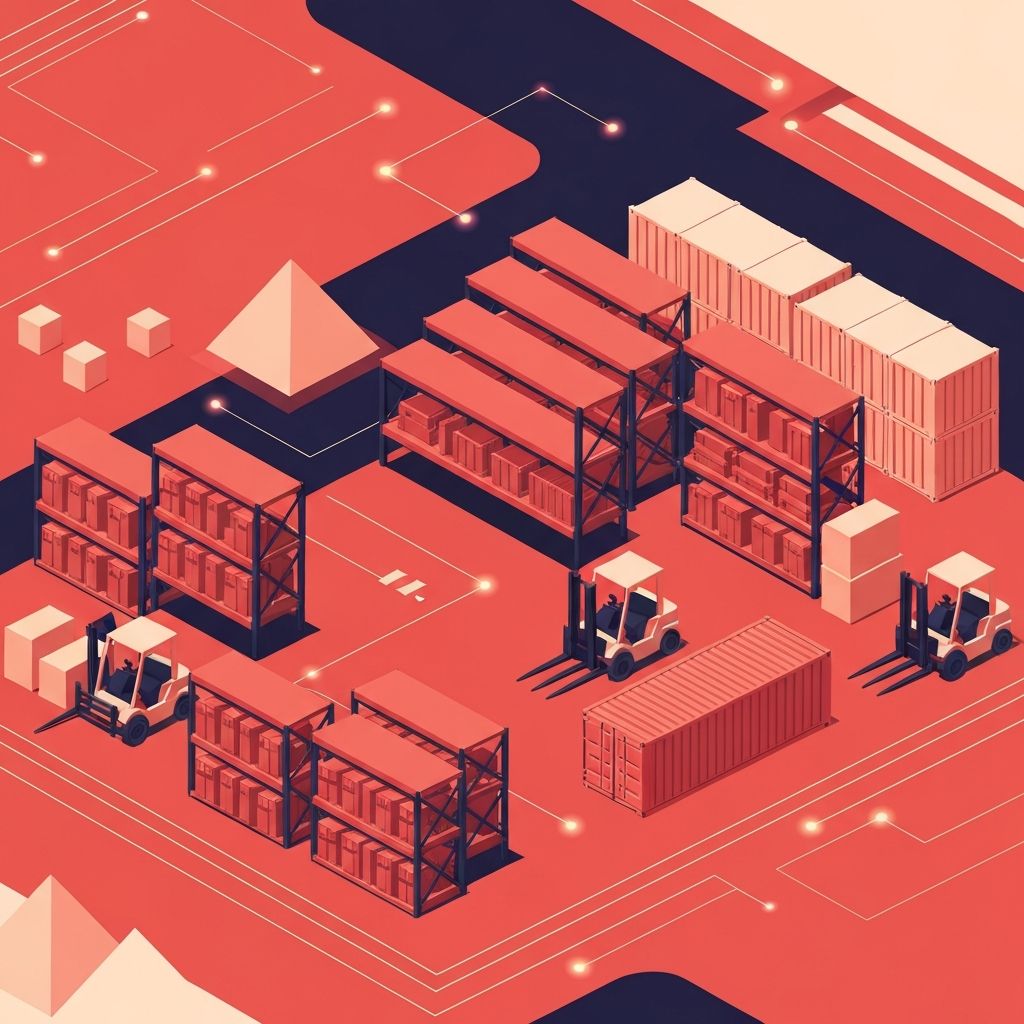
Egypt's Booming Warehousing Sector
Egypt has rapidly emerged as a key logistics hub linking Africa, the Middle East, and Europe. With strategic geographic positioning, expanded port infrastructure, and ambitious national projects such as the Suez Canal Economic Zone, demand for high-quality warehousing has grown substantially. From bonded warehouses to temperature-controlled storage, the country's top providers serve industries ranging from manufacturing and retail to pharmaceuticals and e-commerce.
1. Aramex Egypt
Aramex Egypt operates state-of-the-art warehousing facilities that integrate seamlessly with its global logistics network. With locations near Cairo Airport and major industrial zones, Aramex provides fulfillment services for e-commerce companies, multinational brands, and SMEs. Their technology-driven approach includes real-time inventory tracking and automated order processing.
2. DHL Supply Chain Egypt
DHL Supply Chain Egypt is recognized for premium warehousing solutions tailored to industries like automotive, pharmaceuticals, and consumer goods. Their facilities feature advanced WMS platforms, climate-controlled zones, and certified safety protocols that meet international standards.
3. Bahri & Mazroei Logistics
Bahri & Mazroei has built a strong reputation for handling complex supply chain operations, including bonded warehousing and project cargo storage. Their facilities support oil and gas, construction, and energy sectors with specialized equipment and skilled personnel.
4. ASEC Logistics
ASEC Logistics offers integrated warehousing and distribution services across Egypt. Backed by extensive infrastructure investments, the company manages large-scale storage facilities equipped with high-bay racking, conveyor systems, and modern security measures.
5. Egytrans
Egytrans is one of Egypt's oldest and most respected logistics companies, with decades of experience in warehousing, freight forwarding, and customs clearance. Their warehouses serve as critical nodes for distribution across the country and the broader region.
6. LOGIX Logistics Park
LOGIX is a flagship logistics park developed near Cairo that hosts multiple Grade-A warehouses. Tenants benefit from shared infrastructure, advanced fire safety, ample loading docks, and proximity to major highways and airports, making it a preferred location for global brands.
7. International Group for Logistics & Distribution (IGLD)
IGLD provides full-service warehousing for FMCG companies, food brands, and pharmaceutical distributors. Their warehouses include cold storage, ambient storage, and high-security areas for controlled goods, supported by robust IT systems.
8. Bavaria Logistics
Bavaria Logistics specializes in third-party logistics (3PL) with warehouses strategically located across Cairo, Alexandria, and the Suez Canal Zone. The company is known for its tailored solutions, including kitting, labeling, and value-added services for e-commerce clients.
9. Khazenly
Khazenly is a modern fulfillment platform that connects online retailers with a network of warehouses across Egypt. With a tech-first approach, Khazenly enables sellers to scale operations without owning physical storage space, supporting the country's booming e-commerce ecosystem.
10. Maersk Egypt Warehousing
Maersk's warehousing arm in Egypt offers integrated logistics solutions backed by global expertise. Their facilities provide cross-docking, container storage, and customs-bonded operations, making them a trusted partner for international trade.
Key Trends in Egyptian Warehousing
Egypt's warehousing landscape is evolving rapidly. Automation, robotics, and warehouse management software are transforming operations and reducing turnaround times. The rise of e-commerce has driven demand for last-mile fulfillment centers in urban areas, while cold chain logistics has expanded to support agriculture and pharmaceutical exports. Sustainable warehousing, with solar panels and green building certifications, is also gaining traction.
How to Choose the Right Warehousing Partner
Selecting the right warehousing company depends on factors such as location, scalability, technology capabilities, and industry specialization. Businesses should evaluate certifications, security measures, and integration with their existing ERP or e-commerce systems. Partnering with a provider that understands local regulations and customs procedures is essential, especially for import-export operations.
Conclusion
The top warehousing companies in Egypt are powering the country's transformation into a regional logistics powerhouse. With advanced facilities, skilled workforces, and innovative technologies, these providers are enabling businesses to streamline supply chains, scale efficiently, and compete on a global stage.
