
The Pacific Northwest Design Identity
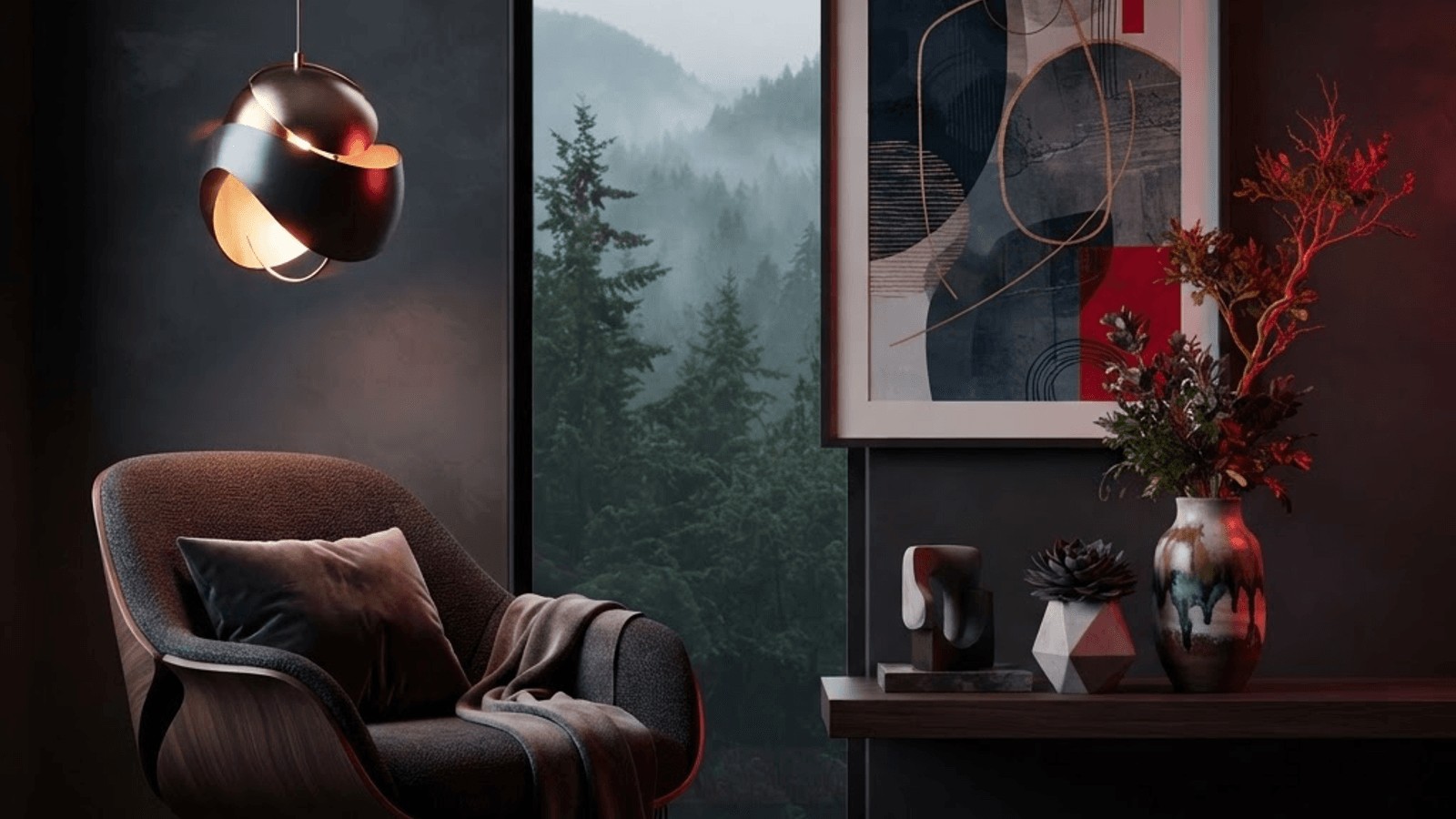
Home decor in Washington has a recognizable accent. It leans on natural wood, muted earth tones, textured wool and linen, generous natural light, and furniture that looks built rather than styled. That aesthetic grows directly out of the region's environment and economy: abundant timber, a legacy of boatbuilding and craft woodworking, a strong outdoor culture, and Scandinavian and Japanese design influences that arrived with the region's immigrant communities and Pacific trade links.
The practical result is that Washington shoppers tend to value longevity over trend cycles. Rain and gray skies for much of the year also push interiors toward warmth, layered lighting, and tactile materials rather than cold minimalism. Understanding that context makes it much easier to shop the state's decor scene intelligently, because the best local brands are designing for exactly these conditions.
What Makes a Home Decor Brand Worth Buying
Three criteria matter most. Construction quality comes first: solid hardwood joinery, kiln-dried lumber, eight-way hand-tied or high-resilience foam seating, and finishes that can be refreshed rather than replaced. Second is material transparency, meaning the brand tells you the species of wood, the fabric composition, and where the piece was made. Third is service, including realistic lead times, in-home or virtual design consultation, delivery that includes assembly and packaging removal, and repair support years after purchase. Brands that meet all three deliver far better value per year of ownership than fast-furniture alternatives.
The Top 10 Home Decor Brands in Washington
1. Chown Hardware and Design Showrooms
Long respected across the Northwest for architectural hardware, lighting, and plumbing fixtures, this showroom category anchors serious design projects. The appeal is depth of selection in the details that define a room: door hardware, cabinet pulls, sconces, and finish coordination across an entire home. Designers and homeowners rely on the specification expertise, which prevents the common mistake of mismatched metals and inconsistent finishes across adjoining spaces.
2. Kasala
A Seattle institution for contemporary furniture, Kasala built its reputation on European-inspired modern design at approachable price points. Expect clean-lined sofas, extendable dining tables, platform beds, and storage systems suited to condos and townhomes where every inch counts. The brand is especially strong on small-space solutions and quick-ship inventory, which matters for renters and new arrivals furnishing an apartment on a real timeline rather than a six-month custom order.
3. Alchemy Collections
Alchemy Collections focuses on modern, urban-friendly furnishings with a curated rather than warehouse feel. Its buyers emphasize proportion, so pieces work in Seattle's older apartments and newer high-rises alike. Sectionals with configurable modules, compact dining sets, and versatile media consoles are standouts. Customers appreciate honest guidance about scale and fabric durability, along with a design service that helps assemble a full room rather than mismatched individual purchases.
4. Digs
Digs represents the Northwest lifestyle aesthetic particularly well: warm woods, natural fibers, artisan ceramics, hand-thrown vessels, and textiles chosen for texture. The brand blends furniture with accessories and gifts, making it a strong destination for finishing a room rather than framing it. Shoppers value the emphasis on independent makers and small-batch production, which yields pieces that feel personal rather than mass-produced.
5. Greenhouse Home
Focused on organic modern interiors, Greenhouse Home pairs sculptural furniture with layered accessories, greenery, and calm neutral palettes. The brand is known for approachable design consultation and for helping clients balance minimalism with comfort, which is precisely the tension in most Pacific Northwest homes. Its strength lies in cohesive styling: sourcing a rug, lighting, and accent seating that genuinely work together instead of competing.
6. Meyer Wells
A distinctive Washington story, Meyer Wells built its identity around salvaging urban trees destined for removal and transforming them into custom tables, benches, and architectural millwork. Each piece carries traceable provenance, which appeals strongly to sustainability-minded buyers. The craftsmanship is heirloom grade, and the company works closely with architects and commercial clients as well as homeowners commissioning a single dining table meant to last generations.
7. Urban Hardwoods
Operating in a similar sustainable philosophy, Urban Hardwoods creates live-edge slab tables, seating, and case goods from locally reclaimed timber. The signature look, thick natural edges and visible grain character, has become almost synonymous with upscale Northwest interiors and hospitality spaces. Buyers value the individuality, since no two slabs match, and the finishing quality that keeps surfaces functional for daily family use rather than purely decorative.
8. Ballard Consignment and Design Resale Market
Washington's design resale sector deserves a place on any serious decor list. Large consignment showrooms allow shoppers to acquire high-end brands, vintage mid-century pieces, and designer samples at a fraction of retail while extending the life of well-made furniture. The trade-off is inventory unpredictability, which rewards frequent visits. For sustainability-focused buyers and anyone furnishing a first home, this channel offers unmatched value per dollar.
9. Fern and Fable Home Goods
Representing the wave of small independent decor boutiques thriving in Washington towns from Bellingham to Walla Walla, this style of brand focuses on accessories: candles, ceramics, woven throws, framed prints, planters, and seasonal styling. These shops shape local taste more than their size suggests, and they frequently stock regional artisans exclusively. They are the right destination for the final ten percent of a room, the layer that makes an interior feel finished and personal.
10. Spokane Home and Hearth Furnishings
Eastern Washington's decor market has its own character, favoring durable, family-oriented furnishings, rustic and transitional styling, and generous seating suited to larger homes and colder winters. Retailers in this category emphasize performance fabrics, solid wood dining sets, and hearth-centered living room layouts. Customers cite knowledgeable in-store guidance, local delivery, and long-term service relationships as key reasons to shop regionally rather than online.
Trends Defining Washington Interiors
Several movements stand out. Sustainable and reclaimed materials have moved from niche to expected, with buyers asking directly about sourcing. Performance textiles have transformed family living rooms, allowing light colors in homes with children and dogs. Multi-functional furniture continues to expand as apartment living grows, with storage beds, nesting tables, and modular seating leading demand. Warm minimalism, meaning restrained forms in soft, earthy tones, has largely replaced stark all-white interiors. Finally, layered lighting has become a priority as residents combat months of low daylight with a mix of ambient, task, and accent sources.
How to Shop Smart
Measure first and map your room, including door swings, walkways, and window heights, before falling for a sofa. Prioritize investment pieces such as seating, dining tables, and mattresses, and economize on trend-driven accessories that you may replace in a few years. Request fabric samples and view them in your own light, because the region's gray daylight shifts colors noticeably. Confirm lead times in writing, especially for custom orders, and ask about repair and reupholstery options up front. Finally, mix sources deliberately: one artisan statement piece surrounded by simpler supporting furniture usually reads more sophisticated than a matched suite.
Final Thoughts
Washington's decor market rewards patient, informed shoppers. Between heritage woodworkers, modern furniture specialists, curated lifestyle boutiques, and a robust resale ecosystem, it is entirely possible to build an interior that feels regionally grounded, environmentally responsible, and genuinely durable. Start with quality where your body touches the furniture, layer in local craft and texture, and let the Pacific Northwest palette of wood, wool, stone, and soft light do most of the design work for you.
