
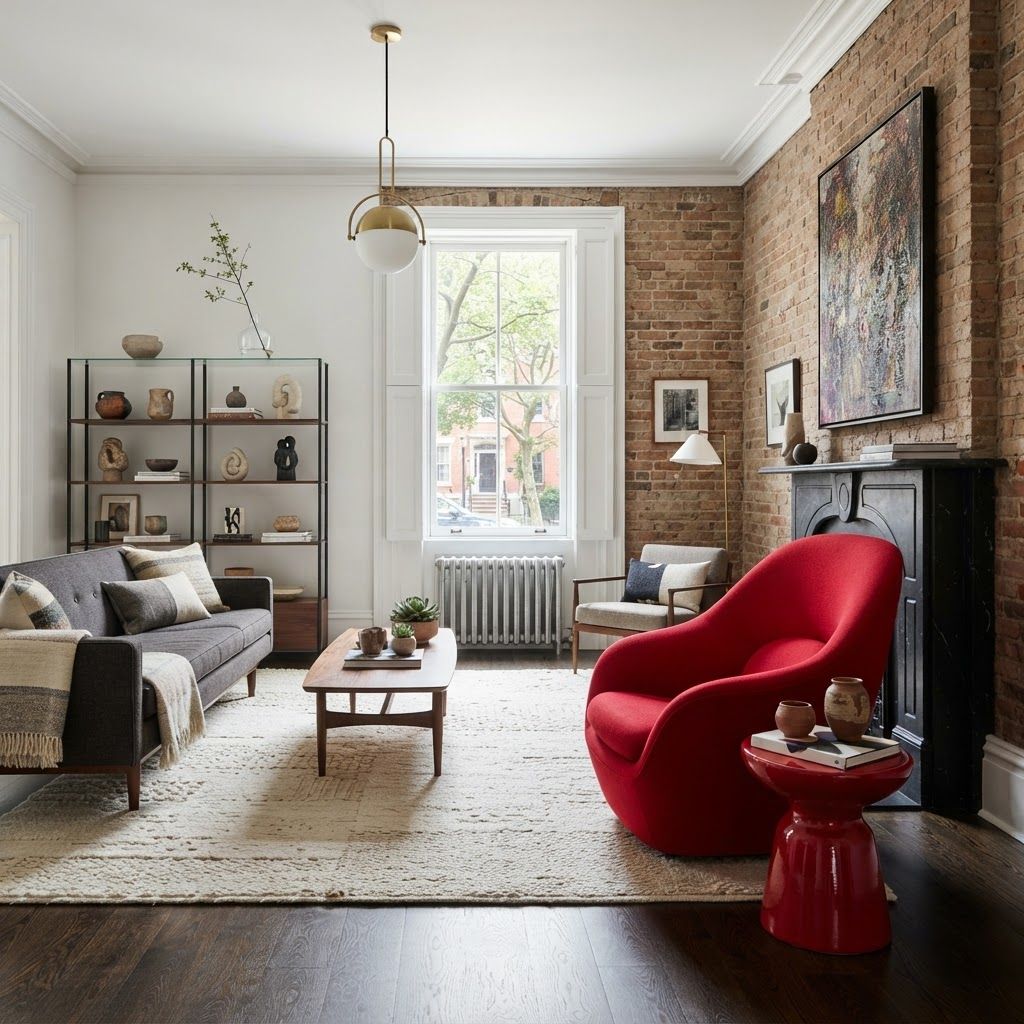
Philadelphia’s distinctive decor landscape
Philadelphia interiors often combine historic architecture with contemporary life: original mantels beside modern sofas, narrow rooms made flexible with scaled furniture, and industrial lofts softened by textiles and art. The city supports independent makers, vintage dealers, design-led retailers, and nationally known brands with local roots. These ten names offer useful starting points for creating a home with character. Product selection and showroom availability evolve, so shoppers should confirm dimensions, lead times, delivery access, return terms, and care requirements before purchasing.
1. Philadelphia Independents
Philadelphia Independents curates work from local artists and makers, making it a strong source for small decor, gifts, prints, and objects with a genuine city connection. Locally produced accents can give a room personality without imposing a complete theme. Choose pieces for craftsmanship and emotional resonance rather than filling every surface. A few meaningful objects generally create more impact than a crowded collection.
2. Lostine
Lostine is a Philadelphia-based design company known for lighting, furniture, mirrors, and home accessories with a refined, handcrafted sensibility. Natural materials and sculptural forms make its pieces effective focal points in both historic and modern rooms. For lighting, verify dimensions, bulb requirements, dimming compatibility, and installation needs. A beautiful fixture should also provide appropriate illumination for the room’s actual use.
3. Minima
Minima brings contemporary furniture and modern design to Philadelphia. Its edited perspective suits homeowners seeking clean lines, strong materials, and investment pieces rather than disposable trends. Compact city rooms benefit from visiting a showroom and testing comfort in person. Measure not only the final location but also every doorway, stair turn, elevator, and hall along the delivery path.
4. Millésimé
Millésimé offers design-forward furniture, lighting, and accessories with an emphasis on sophisticated contemporary interiors. The showroom is relevant to clients who want coordinated pieces and access to design expertise. When building a room, establish the largest elements first and allow negative space around distinctive objects. Matching every finish can flatten an interior; controlled contrast creates depth.
5. Material Culture
Material Culture is a celebrated Philadelphia destination for globally sourced furniture, textiles, rugs, architectural elements, and decorative objects. Its expansive selection rewards shoppers looking for one-of-a-kind character. Vintage and handmade pieces may show variation, patina, or repair, so inspect condition and ask about provenance and care. Rugs should be evaluated for size, pile, cleaning needs, and how they behave on existing floors.
6. Jinxed
Jinxed has become a familiar local source for vintage furniture, art, and eclectic home goods. Frequent inventory changes make it useful for patient shoppers who enjoy discovery. Vintage buying requires quick but informed decisions: carry measurements, inspect joints and drawers, check odors and upholstery condition, and calculate restoration costs. A low purchase price can become expensive if structural repair or reupholstery is needed.
7. Moon + Arrow
Moon + Arrow is a South Philadelphia shop with a curated mix of vintage, handmade, and thoughtfully selected goods. Its warm, layered aesthetic appeals to shoppers who value texture and an independent retail experience. Smaller textiles, ceramics, and accessories can refresh a room without major construction. Consider where an object will live before buying so the collection remains intentional.
8. Cuttalossa
Cuttalossa offers home goods, furniture, art, and lifestyle pieces shaped by natural materials and understated design. The brand’s calm visual language works well in homes where craftsmanship and tactile quality take priority over ornament. Neutral does not need to feel plain: variation in grain, weave, stone, and handmade surfaces provides richness. Ask about finish maintenance before placing delicate natural materials in high-use areas.
9. Anthropologie
Anthropologie, founded in the Philadelphia region, has a strong connection to the area and a broad home collection spanning furniture, bedding, tabletop, and decor. Its expressive patterns and distinctive silhouettes can provide accessible statement pieces. Shoppers should compare online imagery with real scale and material samples where possible. For patterned items, repeat one or two colors elsewhere rather than duplicating the entire motif.
10. Terrain
Terrain, also rooted in the region, blends garden, outdoor living, tabletop, and seasonal home decor. It is especially useful for connecting interior rooms with terraces, stoops, and gardens. Outdoor products should be chosen for Philadelphia freeze-thaw cycles, summer sun, and storage realities. Containers need drainage, while furniture materials require care appropriate to uncovered urban spaces.
How to shop for a Philadelphia home
Begin with measurements, a functional plan, and a limited material palette. Rowhouse rooms often benefit from appropriately scaled seating, wall-mounted lighting, nesting tables, and storage that uses vertical space. Respect original details without forcing every purchase to look historic. Photograph existing finishes in daylight and bring fabric or paint samples when shopping, since memory is unreliable and showroom lighting can shift color.
Decor trends with staying power
Local interiors are moving toward artisan production, vintage reuse, natural materials, warmer woods, repairable furniture, and objects with traceable stories. Flexible pieces matter as dining rooms double as offices and small outdoor areas become living space. Sustainable decorating is less about a single label than buying fewer durable objects, maintaining them, and choosing secondhand when appropriate. Philadelphia’s best decor sources make that approach rewarding by offering pieces that feel connected to craft, place, and the individual architecture of the home.
