
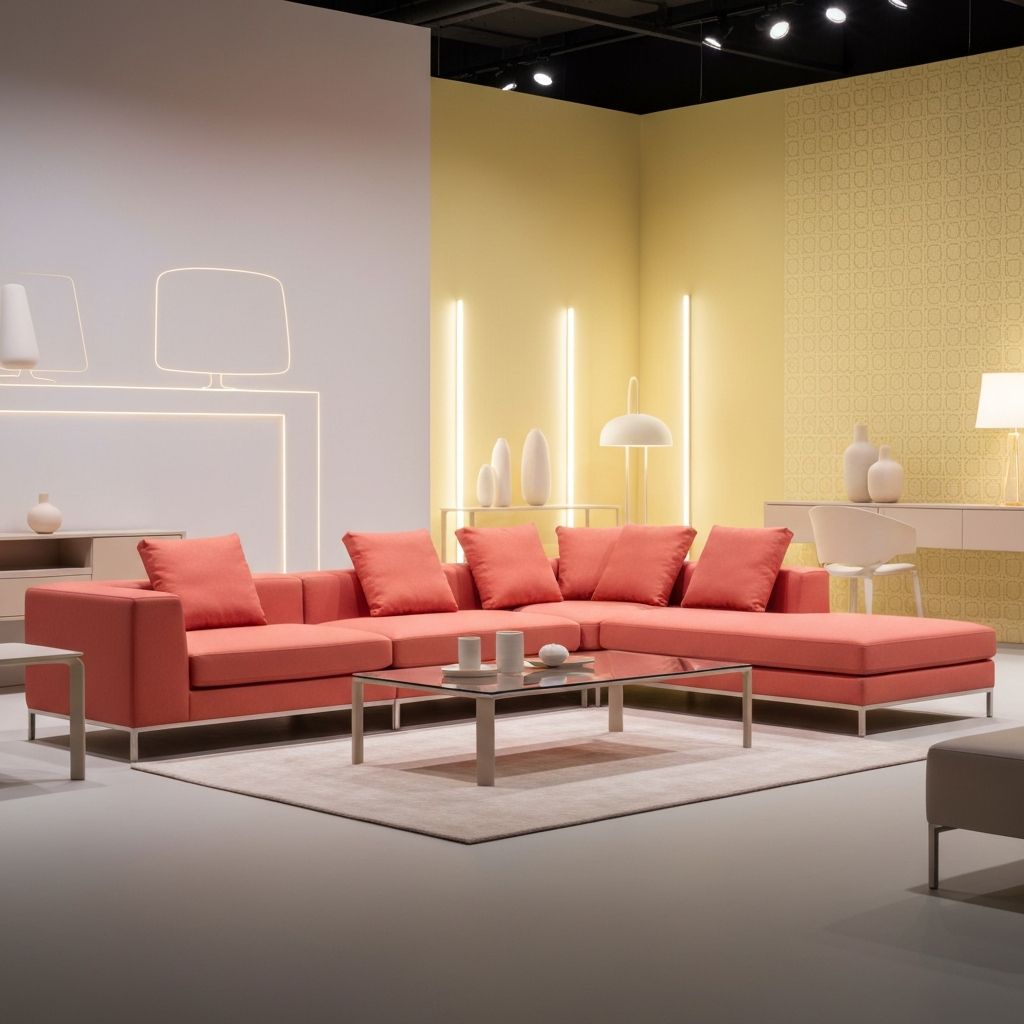
The Flourishing Home Decor Market in China
China's home decor market has experienced remarkable transformation as rising incomes, expanding middle class, and evolving aesthetic sensibilities drive demand for quality furnishings and decorative products. Contemporary Chinese consumers increasingly view their homes as expressions of personal identity and style rather than merely functional shelter. This shift has created opportunities for home decor brands offering distinctive designs, quality craftsmanship, and lifestyle-oriented products that help consumers create living environments reflecting their aspirations and values.
The Chinese home decor landscape encompasses diverse style influences from traditional Chinese aesthetics celebrating cultural heritage to contemporary minimalism, Scandinavian simplicity, and eclectic global fusion. Leading brands have emerged serving different market segments from mass-market affordability to premium luxury, enabling consumers at various price points to access products matching their style preferences and budgets.
1. MUJI (无印良品)
MUJI, the Japanese lifestyle brand, has achieved remarkable success in China with their philosophy of simple, functional design and quality materials. MUJI's home products embody minimalist aesthetics that resonate with Chinese consumers seeking calm, uncluttered living environments. Their product range spans furniture, textiles, storage solutions, and decorative accessories unified by consistent design language emphasizing natural materials and understated elegance. MUJI's extensive store network and strong brand identity have established them as a defining influence on contemporary Chinese home decor preferences.
2. IKEA (宜家)
IKEA's presence in China has grown substantially as the Swedish furniture giant adapts their global model to Chinese market conditions. IKEA's democratic design philosophy, making well-designed home products accessible at affordable prices, appeals to young Chinese consumers furnishing first homes and families seeking practical solutions for everyday living. IKEA's showroom format provides inspiration for Chinese consumers often living in compact urban apartments, demonstrating space-efficient solutions applicable to their own homes.
3. Markor Furnishings (美克家居)
Markor Furnishings represents China's domestic furniture manufacturing success, building premium furniture brands that compete with international offerings on design and quality. Markor's portfolio includes multiple brands targeting different aesthetic preferences and price points, from American-influenced traditional designs to contemporary collections. Their integrated manufacturing capabilities enable quality control and cost efficiency that support competitive positioning in the premium furniture market.
4. Qumei Home Furnishings (曲美家居)
Qumei Home Furnishings has established itself as a leading Chinese furniture brand emphasizing design innovation and contemporary aesthetics. The company collaborates with international designers to create furniture collections that bring global design perspectives to Chinese consumers. Qumei's focus on original design rather than imitation has built brand prestige among design-conscious consumers seeking distinctive pieces that differentiate their homes from mass-market conformity.
5. Harbor House
Harbor House, a brand of Home Harmony Group, has carved out a distinctive position with American coastal-inspired home decor that brings relaxed elegance to Chinese interiors. The brand's furniture, textiles, and accessories evoke seaside living aesthetics popular among Chinese consumers attracted to Western lifestyle imagery. Harbor House's curated collections provide coordinated solutions for customers seeking cohesive interior design rather than piecemeal furnishing.
6. JNBY Home (江南布衣家居)
JNBY, the prominent Chinese fashion brand, has extended their distinctive aesthetic sensibility into home products through JNBY Home. The brand brings artistic, individualistic design philosophy to home textiles, decorative accessories, and lifestyle products. JNBY Home appeals to fashion-forward consumers seeking home decor that expresses the same creative, unconventional spirit they pursue in personal style.
7. Zara Home
Zara Home brings the Inditex group's fast-fashion approach to home decor, offering trend-responsive products at accessible prices. The brand's frequent collection updates and contemporary European aesthetics appeal to style-conscious Chinese consumers who enjoy refreshing their home accessories seasonally. Zara Home's integration with Zara's retail network provides convenient access for customers already engaged with the fashion brand.
8. Taobao Designer Home Brands
Taobao, Alibaba's e-commerce platform, has incubated numerous independent home decor brands that reach consumers directly through online channels. These digital-native brands often emphasize original design, artisanal production, and distinctive aesthetics that differentiate them from mass-market offerings. Successful Taobao home brands have built substantial followings among young consumers who discover and share home decor finds through social media platforms.
9. Zaozuo (造作)
Zaozuo operates as a direct-to-consumer furniture brand emphasizing original design and transparent pricing. The company works with international and Chinese designers to create exclusive furniture collections manufactured with quality materials and construction. Zaozuo's online-first model eliminates traditional retail markups, enabling premium design at more accessible price points. Their design-forward positioning appeals to young professionals seeking quality furniture without luxury brand premiums.
10. Lost and Found (失物招领)
Lost and Found has built a devoted following with vintage-inspired Chinese furniture and home accessories that celebrate traditional craftsmanship and nostalgic aesthetics. The brand's collections feature solid wood furniture, ceramic accessories, and textile products that reference Chinese design heritage while remaining functional for contemporary living. Lost and Found appeals to consumers seeking alternatives to mass-produced modern furniture, valuing the warmth and character of pieces evoking China's material culture traditions.
Creating Personal Living Spaces
The diversity of home decor options available to Chinese consumers enables unprecedented personalization of living environments. Successful home decoration typically involves identifying preferred aesthetic directions, establishing realistic budgets, and gradually acquiring pieces that contribute to cohesive overall environments. The best home decor investments balance immediate appeal with lasting quality and timeless design that continues satisfying as trends evolve. Whether favoring minimalist restraint or eclectic abundance, Chinese consumers now have access to home decor resources supporting virtually any vision for personal living spaces.
