
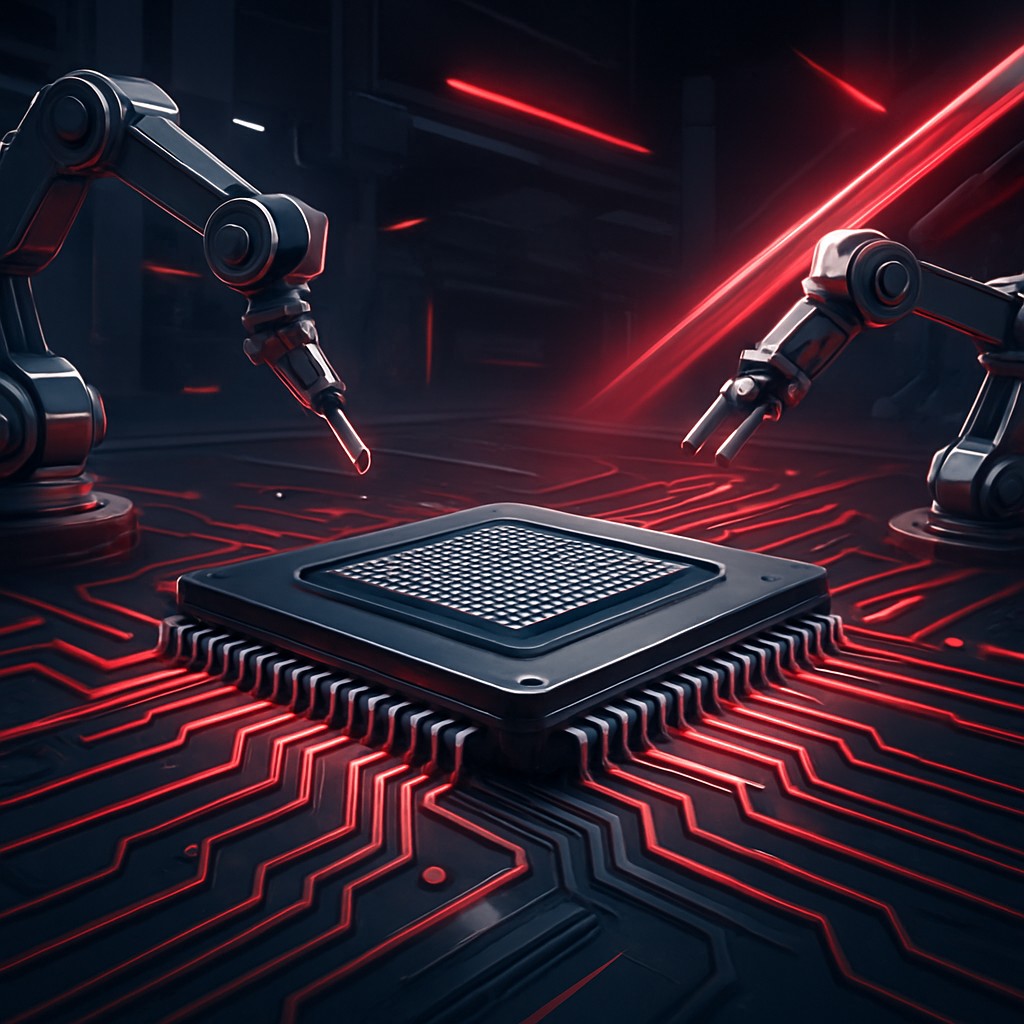
Dutch Excellence in Hardware Manufacturing
While the Netherlands is often celebrated for its software and digital services, the country is equally formidable in hardware manufacturing. Dutch firms produce some of the most sophisticated technology on the planet, from the lithography machines essential to making computer chips to precision instruments, medical devices, and advanced electronics. The region around Eindhoven, known as the Brainport, has become a globally recognized center of high-tech manufacturing and innovation.
This manufacturing prowess stems from a long tradition of engineering excellence, close collaboration between industry and research institutions, and a culture that values precision and quality. Dutch hardware companies supply critical components and complete systems to customers worldwide, making the country indispensable to the global technology supply chain.
The Brainport Ecosystem
At the heart of Dutch hardware manufacturing lies the Brainport region around Eindhoven. This cluster of companies, research institutions, and suppliers forms a tightly integrated ecosystem where knowledge and talent flow freely. The legacy of Philips, which historically anchored the region, seeded countless spinoffs and a deep reservoir of engineering expertise.
Today the Brainport ecosystem drives innovation in semiconductors, photonics, robotics, and advanced manufacturing. Its collaborative model, connecting large corporations, nimble suppliers, and world-class universities, exemplifies how concentrated expertise can produce outsized global impact.
Leading Hardware Manufacturers
ASML, headquartered in Veldhoven, is arguably the most strategically important technology company in the world. Its extreme ultraviolet lithography machines are essential for manufacturing the most advanced semiconductors, making ASML a linchpin of the global electronics industry.
NXP Semiconductors, based in Eindhoven, designs and manufactures chips for automotive, industrial, and connectivity applications, ranking among the world's leading semiconductor companies. Philips, now focused on health technology, produces advanced medical imaging and diagnostic equipment from its Dutch base.
ASM International specializes in semiconductor process equipment, while VDL Groep manufactures everything from high-tech systems to vehicles. Nedap produces smart technology and identification systems, and BESI (Besi) is a leader in semiconductor assembly equipment.
Demcon and Sioux Technologies provide high-tech systems engineering and contract manufacturing, while Prodrive Technologies develops advanced electronics and mechatronics. Together these firms showcase the breadth and depth of Dutch hardware capabilities.
Semiconductors and Photonics
The semiconductor industry is the crown jewel of Dutch manufacturing. ASML's lithography systems enable the production of the tiny, powerful chips that drive everything from smartphones to data centers. Without Dutch technology, the global semiconductor industry could not function at its current cutting edge.
Photonics, the science of generating and manipulating light, is another area of Dutch strength. Companies and research institutions in the Netherlands develop photonic chips and systems with applications in communications, sensing, and computing. This emerging field holds enormous promise, and Dutch firms are positioned to lead its commercialization.
Precision Engineering and Medical Technology
Beyond chips, Dutch manufacturers excel in precision engineering, producing instruments and systems that demand extraordinary accuracy. This expertise serves industries including aerospace, scientific research, and advanced manufacturing, where tolerances are measured in fractions of a micron.
Medical technology is a particularly vibrant sector. Dutch companies develop sophisticated imaging systems, diagnostic devices, and surgical instruments that improve patient care worldwide. The combination of precision engineering and healthcare expertise has made the Netherlands a hub for medical device innovation.
Sustainability and the Future of Manufacturing
Dutch manufacturers increasingly prioritize sustainability, reducing energy consumption, minimizing waste, and designing products for longevity and recyclability. The transition toward circular manufacturing, where materials are reused and products are built to last, aligns with broader national commitments to environmental responsibility.
Automation, robotics, and smart factory technologies are also reshaping Dutch manufacturing. By embracing these advances, the country's hardware companies maintain their competitive edge while addressing labor constraints and improving efficiency. The future of Dutch manufacturing looks both high-tech and sustainable.
Conclusion
The Netherlands stands as a global powerhouse in hardware manufacturing, anchored by world-leading companies and the vibrant Brainport ecosystem. From the indispensable lithography machines of ASML to advanced semiconductors, precision instruments, and medical devices, Dutch firms produce technology that powers the modern world. For partners seeking manufacturing excellence, the Netherlands offers unmatched expertise, innovation, and reliability rooted in a deep engineering heritage.
