
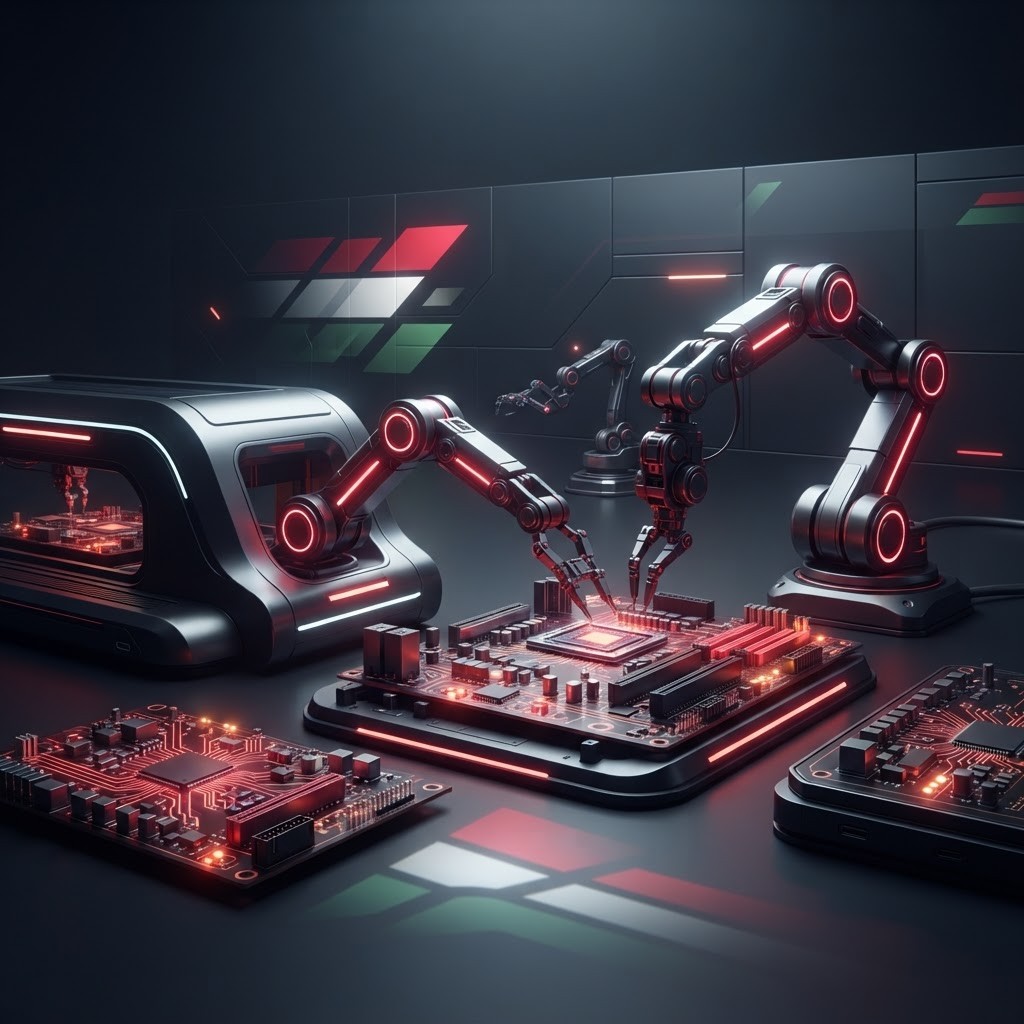
Hungary's Rise as a Hardware Manufacturing Powerhouse
Over the past two decades, Hungary has transformed itself into one of Central Europe's most respected centers for hardware manufacturing. With a strong engineering tradition rooted in its technical universities, a strategic location at the heart of the European supply chain, and a skilled yet competitively priced workforce, the country attracts both multinational giants and ambitious domestic firms. From automotive electronics to industrial machinery and consumer devices, Hungarian factories produce components that reach markets across the globe.
The sector benefits from significant foreign direct investment, government incentives for advanced manufacturing, and a growing ecosystem of suppliers clustered around industrial cities such as Budapest, Győr, Debrecen, and Szeged. This concentration of talent and infrastructure has made Hungary an increasingly attractive destination for high-precision production.
What Sets Hungarian Hardware Manufacturers Apart
Several qualities distinguish the best manufacturers operating in Hungary. Precision engineering is a defining trait, with many companies specializing in tight-tolerance components for the automotive and electronics industries. Automation and Industry 4.0 adoption are also widespread, as factories integrate robotics, sensors, and data-driven quality control to maintain consistency at scale. Finally, sustainability has become a competitive differentiator, with leading firms investing in energy-efficient production lines and responsible sourcing.
The Top 10 Hardware Manufacturers in Hungary
1. Videoton is one of Hungary's largest domestically owned electronics manufacturing service providers. With decades of experience, Videoton offers contract manufacturing, plastic injection molding, metalworking, and complete product assembly, serving clients across the automotive, industrial, and consumer sectors.
2. Bosch Hungary operates several manufacturing and development sites in the country, producing automotive electronics, power tools, and precision components. Its Hungarian operations are among the company's most important outside Germany, reflecting the trust placed in local engineering talent.
3. Flex (Flextronics) Hungary runs advanced electronics manufacturing facilities that produce circuit boards, industrial equipment, and connected devices. The company is known for its scalable production capabilities and rigorous quality standards.
4. Continental Hungary manufactures automotive sensors, control units, and electronic systems. Its facilities combine research and development with high-volume production, supporting the global shift toward smart and electric vehicles.
5. Jabil Hungary provides electronics manufacturing services for a wide range of industries, offering design, assembly, and supply chain management. The company is valued for its flexibility and its ability to handle complex product lifecycles.
6. Zoltek, a Hungarian carbon fiber pioneer now part of Toray, produces advanced composite materials used in wind turbines, automotive parts, and industrial applications. Its innovation in lightweight, high-strength materials places it at the cutting edge of modern manufacturing.
7. Knorr-Bremse Hungary manufactures braking systems and components for commercial vehicles and railways. Its Hungarian plants are recognized for engineering excellence and stringent safety standards.
8. Robert Bosch Power Tool operations in Hungary specialize in producing durable, high-performance tools and accessories, combining German engineering discipline with local production efficiency.
9. Prec-Cast is a Hungarian foundry and precision casting specialist producing aluminum components for the automotive and industrial sectors. The company is respected for its metallurgical expertise and consistent quality.
10. Sanmina Hungary delivers integrated manufacturing solutions for communications, medical, and industrial hardware, offering everything from printed circuit board assembly to final product integration.
Industry Trends Shaping the Future
The Hungarian hardware manufacturing landscape is evolving rapidly. Electrification of the automotive sector is driving demand for battery components, power electronics, and lightweight materials, prompting major investments in new facilities. Automation continues to reshape the shop floor, improving productivity while addressing labor shortages. Meanwhile, reshoring and nearshoring trends across Europe are strengthening Hungary's role as a reliable regional supplier, reducing dependence on distant markets.
Digitalization also plays a central role. Manufacturers increasingly rely on digital twins, predictive maintenance, and real-time analytics to optimize output and minimize downtime. These technologies not only improve efficiency but also enhance product quality and traceability, which are critical for demanding sectors such as automotive and medical devices.
Choosing the Right Manufacturing Partner
For businesses seeking a hardware manufacturing partner in Hungary, several factors deserve attention. Technical capability and industry specialization should align with your product requirements. Quality certifications and a proven track record offer reassurance about reliability. Scalability matters too, especially for growing companies that anticipate rising demand. Finally, communication, transparency, and a collaborative mindset often determine the long-term success of a partnership.
The Economic Impact of the Sector
Hardware manufacturing is a significant contributor to the Hungarian economy, supporting hundreds of thousands of jobs directly and indirectly. The industry drives exports, strengthens the country's trade balance, and attracts continued foreign investment that funds new facilities and research centers. Regional development benefits as well, with industrial clusters revitalizing cities beyond Budapest and creating opportunities for skilled workers throughout the country. Vocational training programs and university partnerships ensure a steady pipeline of engineering talent, helping the sector remain competitive as technology advances. This virtuous cycle of investment, employment, and innovation underpins Hungary's growing reputation as a manufacturing leader in Central Europe.
Conclusion
Hungary's hardware manufacturing sector combines deep engineering heritage with modern technology and a strategic European position. The companies highlighted here represent the breadth and depth of the country's capabilities, from global multinationals to innovative domestic specialists. As electrification, automation, and regional supply chain resilience continue to shape the industry, Hungary is well positioned to remain a manufacturing destination of choice for years to come.
