
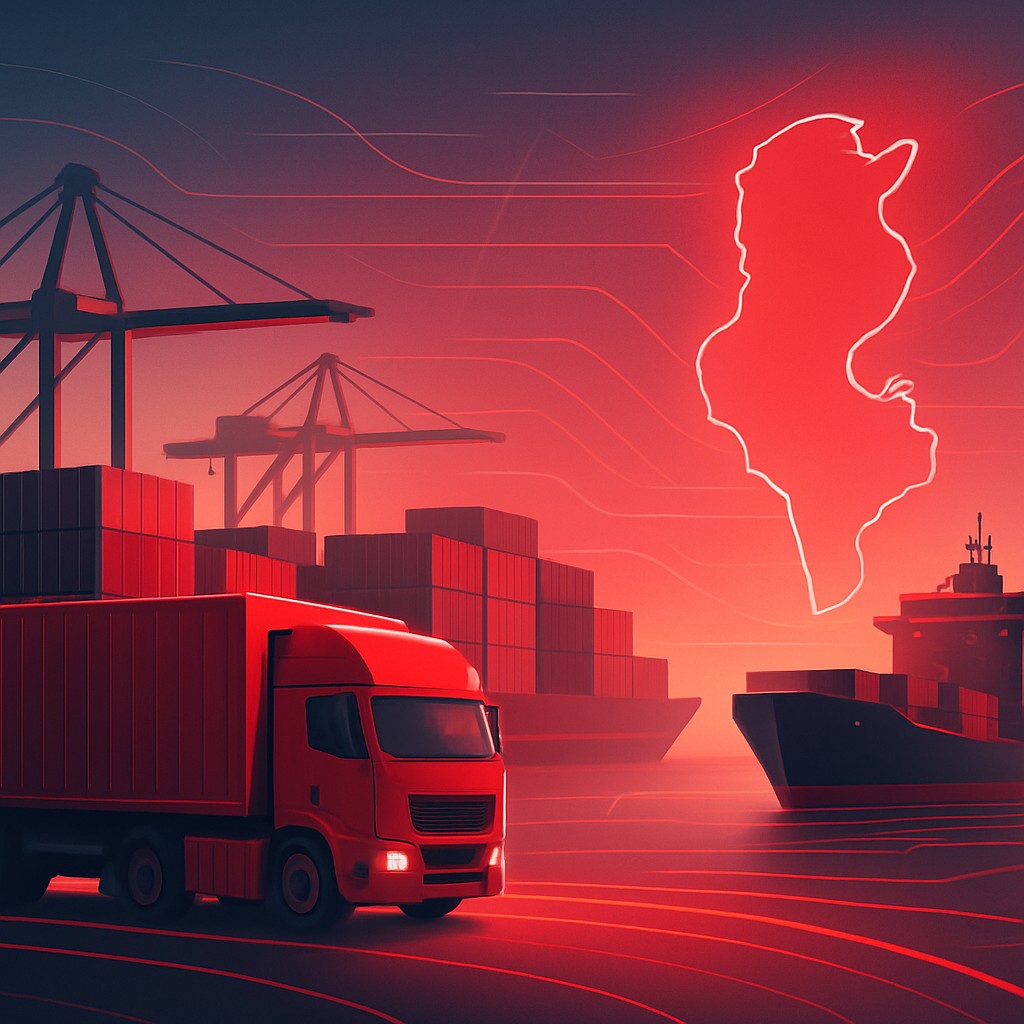
The Importance of Freight in Tunisia's Economy
Freight transport is a vital engine of Tunisia's economy, enabling the movement of goods that fuel trade, manufacturing, agriculture, and commerce. Positioned strategically on the Mediterranean, Tunisia serves as an important gateway between Africa and Europe, making efficient freight services essential for both domestic distribution and international trade. From raw materials and agricultural produce to manufactured goods and consumer products, freight companies ensure that cargo reaches its destination reliably and on time.
The freight sector in Tunisia spans multiple modes of transport, including road, sea, and air, as well as integrated services that combine these into seamless supply chains. Major ports, a developing road network, and air cargo facilities together support a freight industry that connects Tunisian businesses to global markets and keeps the domestic economy moving.
What Defines a Leading Freight Company
The best freight companies in Tunisia are characterized by reliability, comprehensive service offerings, strong logistics expertise, and a commitment to safety and compliance. Timely delivery, careful handling of goods, and transparent communication are fundamental expectations. Leading providers also offer a range of services, from standard cargo transport to specialized handling for perishable, oversized, or sensitive shipments.
Strong international connections and customs expertise are particularly important for companies engaged in import and export, given Tunisia's role in cross-Mediterranean trade. The ability to navigate documentation, regulations, and port procedures efficiently sets top firms apart. Modern tracking systems, warehousing capabilities, and integrated logistics solutions further distinguish the industry leaders.
Leading Freight Providers
CTN (Compagnie Tunisienne de Navigation) is a cornerstone of Tunisian maritime freight, operating shipping services that connect the country's ports with key Mediterranean destinations and supporting substantial cargo movement between Tunisia and Europe.
DHL Tunisia brings global expertise to the local market, offering international express freight, reliable delivery, and sophisticated tracking that businesses depend on for time-sensitive shipments.
Bollore Logistics Tunisia is well regarded for comprehensive freight forwarding and logistics services, combining international reach with strong local operations across multiple transport modes.
DB Schenker Tunisia provides integrated freight solutions spanning land, sea, and air, supported by global infrastructure and expertise in supply chain management.
Kuehne and Nagel Tunisia offers extensive freight forwarding services, valued for its professionalism and ability to handle complex international shipments.
Other respected companies include Mediterranean Shipping Company Tunisia, a major player in container shipping and sea freight; GEFCO Tunisia, known for automotive and industrial logistics; Tunisia Freight Services, a dependable local provider for domestic and regional cargo; Maghreb Cargo, specializing in regional freight across North Africa; and Express Freight Tunisia, appreciated for efficient handling of smaller and time-critical shipments. Together, these firms cover the full spectrum of freight needs.
Modes of Freight Transport
Sea freight is central to Tunisia's trade, with major ports handling containerized cargo, bulk goods, and roll-on/roll-off shipments that link the country to international markets. Maritime transport remains the most cost-effective option for large volumes and is fundamental to import and export activity.
Road freight dominates domestic distribution, moving goods between cities, ports, industrial zones, and rural areas. A network of trucking services ensures that products reach businesses and consumers throughout the country. Air freight, while more costly, serves time-sensitive and high-value shipments, providing rapid international connections for goods that require speed. Many leading companies combine these modes into integrated multimodal solutions.
Choosing the Right Freight Partner
Selecting the right freight company depends on the nature of the cargo, the destination, and the required speed. Businesses shipping large volumes internationally benefit from established maritime and forwarding specialists, while those needing fast delivery may prioritize express and air freight providers. For specialized goods, such as perishables or oversized items, choosing a company with relevant expertise and equipment is essential.
Transparency in pricing, reliable tracking, strong customer support, and proven experience with customs procedures are all important factors. Building a relationship with a dependable freight partner can significantly improve supply chain efficiency and reliability.
Trends Shaping the Freight Sector
The freight industry in Tunisia is evolving in response to global trends and shifting trade patterns. Digitalization is playing an increasingly important role, with companies adopting electronic documentation, real-time tracking, and data-driven planning to improve efficiency and transparency. These technologies help businesses monitor shipments, anticipate delays, and optimize routes, strengthening confidence in cross-border trade.
Sustainability is also gaining attention, as freight providers explore more fuel-efficient operations and greener transport solutions to reduce environmental impact. At the same time, Tunisia's strategic position between Africa and Europe continues to attract investment in port and logistics infrastructure, enhancing the country's role as a regional trade hub. As regional integration deepens and e-commerce expands, demand for flexible, reliable freight services is expected to grow, encouraging further modernization across the sector.
Final Thoughts
Freight companies are indispensable to Tunisia's economy, connecting businesses to markets at home and abroad. With a robust mix of maritime, road, and air services provided by both international leaders and capable local firms, the country's freight industry supports trade, industry, and commerce across the region. By choosing reputable providers with the right expertise and capabilities, businesses can ensure their goods move efficiently and reliably, strengthening their position in an increasingly interconnected economy.
