
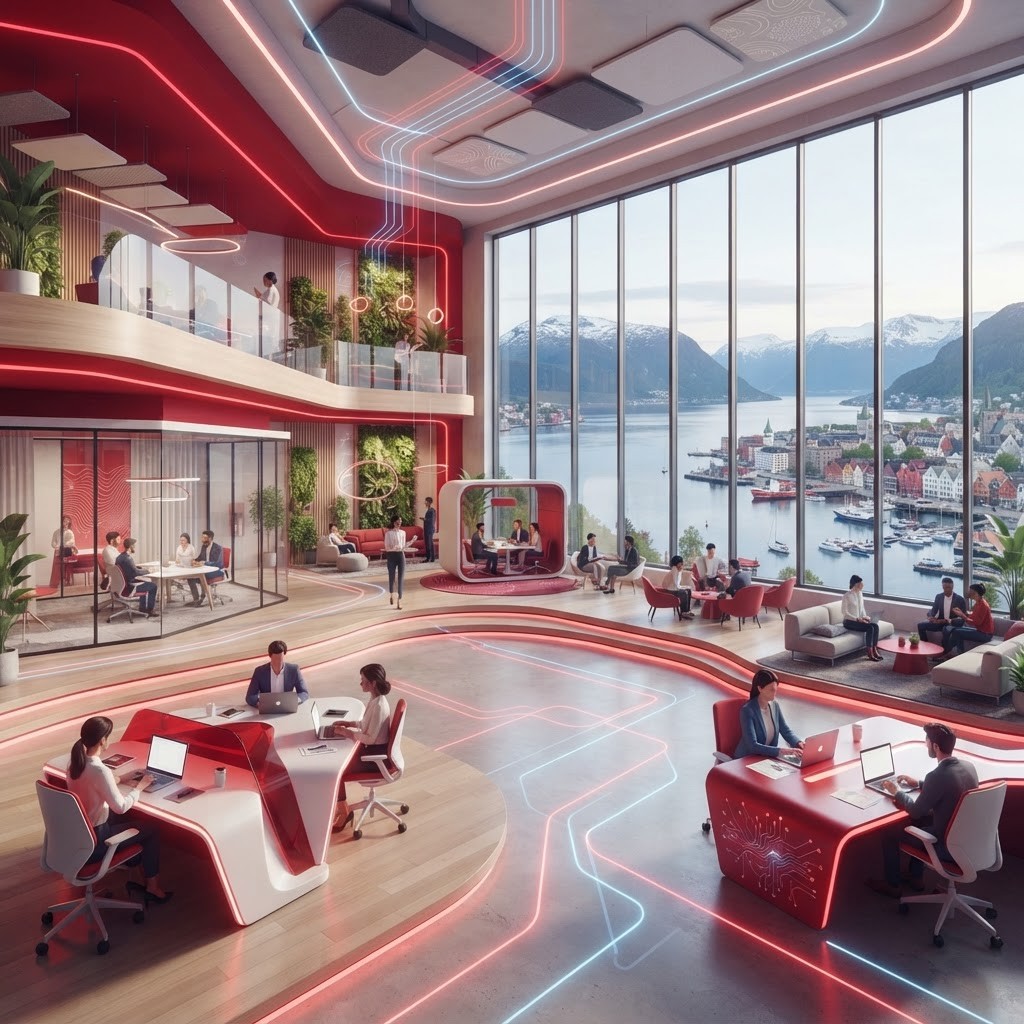
The Rise of Co-working in Norway
Co-working has become a defining feature of Norway's modern work culture. As the country embraces flexible employment, entrepreneurship, and remote work, shared workspaces have grown from a niche concept into a thriving industry. These spaces offer far more than a desk and Wi-Fi; they provide community, professional infrastructure, and a sense of belonging for freelancers, startups, and distributed teams. In a nation known for high living standards and strong work-life balance, co-working spaces reflect the Norwegian values of collaboration, sustainability, and quality design.
Oslo leads the movement, but vibrant hubs have emerged in Bergen, Trondheim, Stavanger, and smaller cities as well. Each space brings its own personality, catering to different industries and working styles.
Norway's Standout Co-working Spaces
MESH is one of Oslo's most celebrated startup communities, offering beautifully designed workspaces alongside a packed calendar of events, mentorship, and networking opportunities. It has become a landmark for entrepreneurs seeking energy and connection.
SoCentral focuses on social innovation and sustainability, gathering organizations and individuals working to solve societal challenges. Its mission-driven atmosphere attracts changemakers and impact-focused ventures.
657 Oslo is a creative hub housed in a former industrial building, popular with designers, artists, and creative professionals who value character-filled surroundings and a collaborative spirit.
Spaces and Regus, part of a global network, provide premium, professionally managed offices in central locations, appealing to established companies and remote teams that need polished, flexible environments.
Impact Hub Bergen extends the co-working culture to the west coast, supporting entrepreneurs and sustainability-minded businesses with community programming and flexible memberships.
What Sets the Best Spaces Apart
The finest co-working spaces in Norway distinguish themselves through thoughtful design, strong community, and comprehensive amenities. Scandinavian aesthetics dominate, with natural light, warm materials, ergonomic furniture, and plenty of greenery creating calm, productive environments. High-speed internet, meeting rooms, phone booths, and well-equipped kitchens are standard, but the best spaces go further with wellness rooms, event stages, and quiet zones.
Community is the true differentiator. Regular events, workshops, and social gatherings help members build networks, find collaborators, and access mentorship. For startups in particular, this ecosystem can be as valuable as the physical space itself.
Benefits for Different Users
Freelancers gain a professional environment that separates work from home life, along with opportunities to meet potential clients and collaborators. Startups benefit from flexible terms that allow them to scale up or down without long leases, plus access to investors and industry events. Remote teams enjoy reliable infrastructure and the option to gather in person when needed, supporting both productivity and culture.
Larger companies increasingly use co-working spaces for satellite teams or project groups, valuing the flexibility and reduced overhead. This diversity of users creates the rich, cross-pollinating atmosphere that makes co-working so appealing.
Sustainability and Design
Norwegian co-working spaces frequently embody the country's commitment to sustainability. Many occupy renovated historic buildings, giving new life to existing structures. Energy-efficient systems, recycled materials, and green initiatives are common, aligning with the environmental values of members and the nation as a whole. The emphasis on well-being, including access to daylight, nature, and comfortable communal areas, reflects a distinctly Nordic approach to work.
Trends in the Norwegian Market
The co-working sector continues to evolve. Hybrid work has increased demand for flexible memberships that allow occasional rather than daily use. Niche spaces focused on specific industries, such as technology, creative arts, or social impact, are growing in popularity. Wellness has become a priority, with spaces integrating fitness facilities, meditation areas, and healthy food options.
There is also a trend toward decentralization, with co-working spaces appearing in suburban and smaller-town locations to serve remote workers who no longer need to commute to city centers. This expansion is making flexible work accessible to a broader population.
Choosing the Right Space
When selecting a co-working space, individuals and teams should consider location, community fit, and available amenities. A freelancer seeking inspiration may prioritize a creative environment, while a growing startup might value networking and event programming. Trial days and flexible memberships make it easy to test different spaces before committing.
Co-working and the Future of Norwegian Work
Co-working spaces are more than a real estate trend; they reflect a fundamental shift in how Norwegians think about work, community, and balance. As employers embrace flexibility and more people launch their own ventures, the demand for spaces that combine productivity with human connection will only grow. These hubs foster serendipitous encounters that spark new businesses, partnerships, and friendships, contributing to a vibrant and resilient economy. They also help combat the isolation that can accompany remote work, offering structure and belonging. In many ways, co-working spaces embody the Norwegian ideal of a society that values both individual freedom and collective well-being.
Conclusion
Norway's best co-working spaces combine beautiful design, strong communities, and sustainable values to create environments where people thrive. From startup-focused hubs like MESH to mission-driven communities such as SoCentral, these spaces support the changing nature of work across the country. As flexibility and collaboration continue to shape the modern workplace, co-working spaces will remain a vital part of Norway's professional landscape.
