
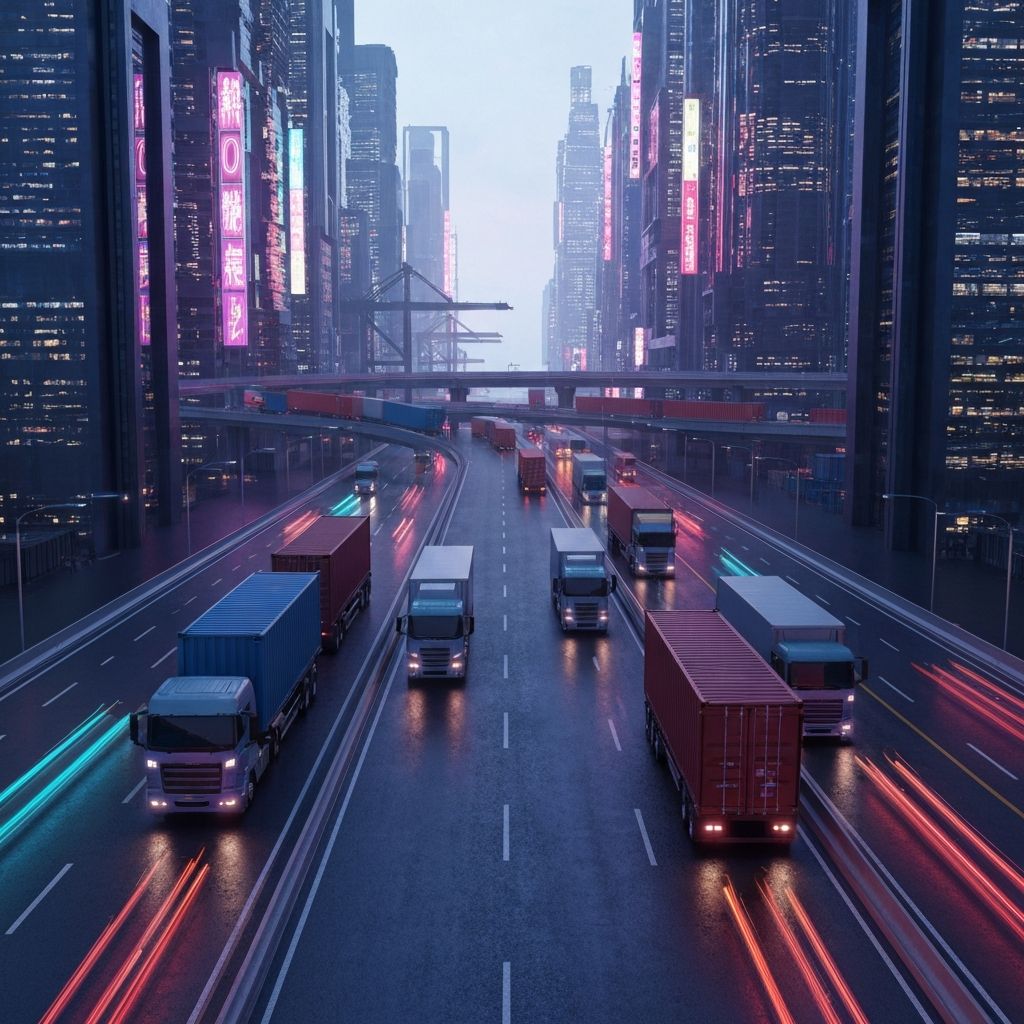
Germany: The Logistics Powerhouse of Europe
Germany's central geographic location, world-class infrastructure, and strong manufacturing base make it the freight hub of Europe. Goods flow daily through its highways, rail networks, ports, and airports, connecting suppliers and customers across the continent and beyond. Freight companies in Germany are known for their efficiency, technological sophistication, and global reach. Whether handling small parcels or massive industrial shipments, these companies form the backbone of European commerce.
Top Freight Companies in Germany
DHL Freight, part of Deutsche Post DHL Group, is one of the largest road freight providers in Europe. With extensive coverage, advanced tracking, and a strong focus on sustainability, DHL Freight handles full truckloads, less-than-truckload shipments, and specialized cargo.
Schenker, owned by Deutsche Bahn, is a global logistics giant offering land, air, and ocean freight services. Its strong presence across Europe and Asia makes it a top choice for multinational corporations.
Dachser is a family-owned freight company known for its integrated network and reliable European Logistics services. Headquartered in Kempten, Dachser has built a reputation for precision and innovation.
Kuehne+Nagel, while Swiss in origin, operates one of the most significant freight networks in Germany. The company excels in sea freight, air freight, and contract logistics.
Hellmann Worldwide Logistics is a respected German logistics provider offering tailored freight solutions across multiple modes of transport. It is known for personalized customer service and strong industry expertise.
Specialized and Regional Players
Rhenus Logistics operates across multiple industries with expertise in road freight, warehousing, and contract logistics. Its diverse service portfolio makes it a versatile partner.
Geis Group specializes in customized logistics solutions for manufacturers and retailers. Based in Bad Neustadt, Geis is known for flexibility and dependable service.
Fiege Logistik focuses on e-commerce fulfillment and contract logistics, supporting major retailers and manufacturers with state-of-the-art warehouses and freight networks.
Hermes Germany is a leading parcel delivery company that has expanded into broader freight services for businesses, offering scalable solutions for e-commerce growth.
GLS Germany rounds out the list with its reliable parcel and freight services, particularly strong in B2B shipments across Europe.
Modes of Freight Transport
German freight companies operate across all major transport modes. Road freight remains the most flexible and widely used, supported by Germany's extensive Autobahn network. Rail freight is critical for moving bulk goods and is championed by DB Cargo, the freight arm of Deutsche Bahn. Sea freight runs through major ports like Hamburg and Bremerhaven, while air freight connects Frankfurt, Leipzig, and Munich to global trade routes.
Technology and Innovation
The German freight industry is at the forefront of digital transformation. Real-time tracking, AI-powered route optimization, and automated warehouses are reshaping how goods are moved. Companies are investing heavily in electric trucks, hydrogen-powered vehicles, and sustainable packaging to meet environmental targets. Blockchain-based supply chain visibility tools are also gaining traction, providing transparency and security.
Sustainability in Focus
Sustainability has become central to the German freight industry. Companies are reducing carbon emissions by transitioning to greener fleets, optimizing loads to minimize empty runs, and shifting freight from road to rail wherever possible. Many providers offer carbon-neutral shipping options that allow customers to offset emissions.
Choosing the Right Freight Partner
When selecting a freight company, businesses should evaluate network coverage, mode of transport, pricing, technology offerings, and customer service. Established providers with global reach are ideal for international shipments, while specialized regional players may offer better flexibility for local needs. Service level agreements, claims handling, and digital integration are also key considerations.
Final Thoughts
Germany's freight industry is a model of efficiency, scale, and innovation. From global giants to specialized regional operators, freight companies in Germany ensure that goods move smoothly across borders, industries, and supply chains. Choosing the right partner empowers businesses to compete confidently in the dynamic European market.
