
Nigeria's Emerging Automotive Industry
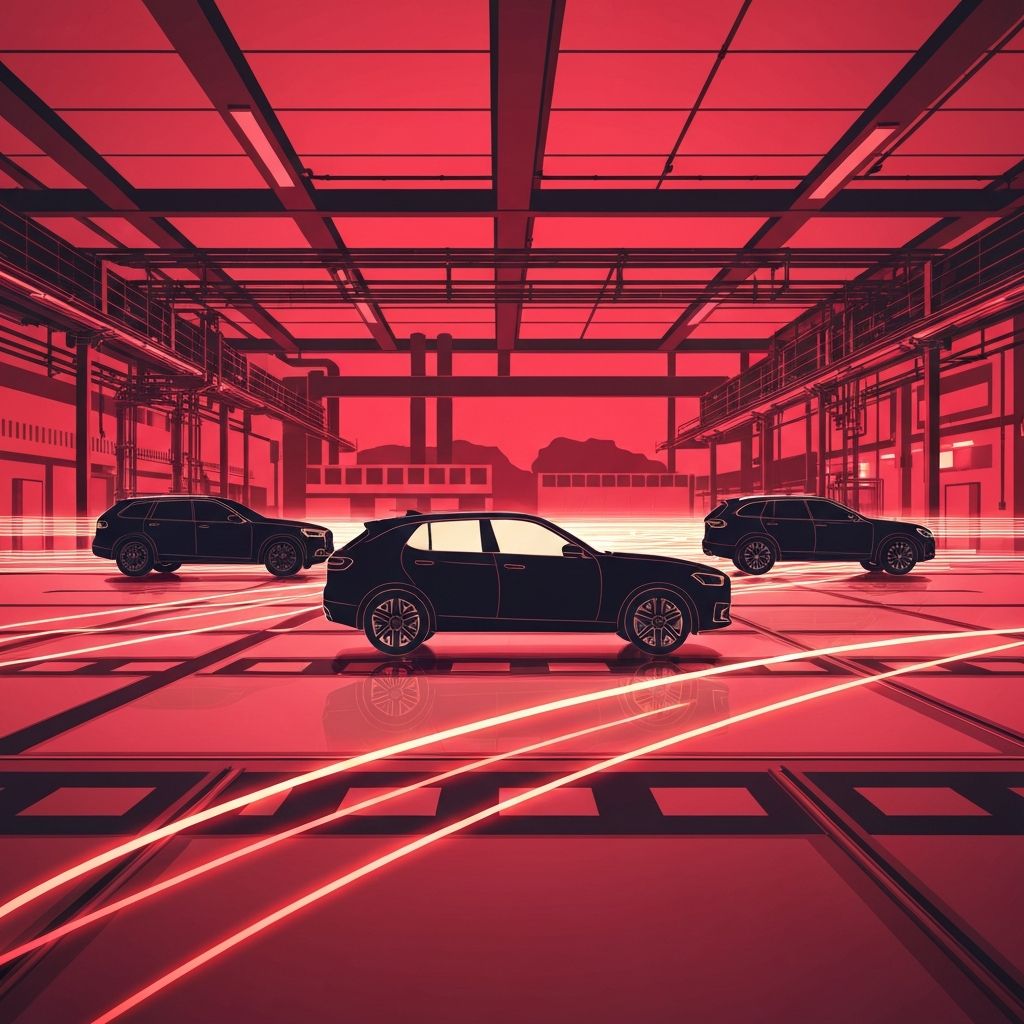
The Nigerian automotive industry has undergone significant transformation over the past decade, evolving from a market dominated by used vehicle imports to one with a growing base of local assembly plants and indigenous manufacturers. With the National Automotive Industry Development Plan (NAIDP) and increasing demand for affordable, durable vehicles, Nigeria is steadily building a competitive automotive sector that supports jobs, technology transfer, and economic diversification.
The Importance of Local Automotive Manufacturing
Local manufacturing reduces foreign exchange outflows, builds technical skills, supports allied industries like steel, plastics, and electronics, and creates jobs for engineers, technicians, and dealers. It also positions Nigeria to become an automotive hub for the West African region, especially under the AfCFTA framework.
1. Innoson Vehicle Manufacturing Company (IVM)
Innoson Vehicle Manufacturing is Nigeria's most celebrated indigenous automaker, producing a wide range of vehicles including SUVs, sedans, trucks, buses, and security vehicles. Headquartered in Nnewi, Anambra State, IVM has supplied vehicles to government agencies, security forces, and private buyers. The company's commitment to local content and African pride has made it a national symbol of industrial achievement.
2. Stallion Group (Nissan and Hyundai Assembly)
Stallion Group operates one of the largest vehicle assembly operations in Nigeria, producing models under brands such as Nissan and Hyundai. The company has invested heavily in modern assembly plants and training programs, contributing significantly to skill development and local supply chain growth.
3. Peugeot Automobile Nigeria (PAN)
Peugeot Automobile Nigeria, based in Kaduna, is one of the oldest vehicle assembly plants in the country. The company assembles a variety of Peugeot models popular with both government and private buyers. PAN has played a foundational role in Nigeria's automotive industry and continues to modernize its operations.
4. Honda Manufacturing Nigeria
Honda Manufacturing Nigeria operates an assembly plant producing select Honda models for the Nigerian market. The plant focuses on quality control, training local technicians, and ensuring that vehicles are suited to Nigeria's road and climate conditions.
5. Coscharis Motors
Coscharis Motors is a leading automotive group representing global brands such as Ford, BMW, Jaguar, Land Rover, and Rolls-Royce. The company also operates assembly and customization facilities, contributing to value addition in the luxury and premium vehicle segments.
6. Mikano Motors
Mikano Motors assembles vehicles under brands such as Geely, Changan, and others, focusing on offering durable, modern vehicles at competitive prices. The company combines vehicle manufacturing with power generation solutions, showcasing diversified industrial capability.
7. Dangote Sinotruk West Africa Limited
A joint venture between Dangote Industries and China's Sinotruk, this company manufactures heavy-duty trucks in Nigeria. Its products are widely used in cement, oil and gas, logistics, and construction sectors, supporting Nigeria's growing infrastructure needs.
8. Elizade Motors
Elizade is a long-established player in Nigeria's automotive sector, particularly known for its strong dealership network. The company has expanded into local assembly and supports professional driver and technician training, including through Elizade University.
9. NORD Automobiles
NORD Automobiles is a relatively new but ambitious indigenous automotive brand. The company designs and assembles SUVs, pickups, and sedans aimed at the Nigerian and African markets. Its modern designs and focus on affordability have generated strong interest among consumers and fleet buyers.
10. Proforce Limited
Proforce is a Nigerian manufacturer specializing in armored vehicles, military trucks, and specialty mobility solutions. The company supplies defense and security agencies across Africa, demonstrating Nigeria's capability in advanced automotive engineering and defense manufacturing.
Industry Trends
The Nigerian automotive industry is shaped by trends such as growing demand for affordable vehicles, increased adoption of CNG and electric vehicles, rising interest in compact SUVs, and expansion of assembly operations. The push for greener transport, particularly with rising fuel prices, is opening doors for new mobility models.
Government Policies and Incentives
The National Automotive Industry Development Plan, executive orders supporting Made-in-Nigeria vehicles, and tariff structures favoring local assembly have all contributed to industry growth. Public sector procurement policies have also been adjusted to prioritize locally produced vehicles.
Challenges in the Sector
The industry continues to grapple with challenges including infrastructure deficits, high operational costs, competition from used vehicle imports (tokunbo), limited consumer credit, and inconsistent policy enforcement. Building a robust components manufacturing ecosystem is also critical for long-term success.
Opportunities for Growth
With AfCFTA opening regional markets, growing demand for buses and commercial vehicles, opportunities in electric and CNG vehicles, and government support for local content, Nigeria's automotive sector has significant potential. Strategic investment in workforce training, local components, and after-sales infrastructure will be key.
Conclusion
The automotive manufacturers featured here represent a dynamic and evolving industry that is steadily transforming Nigeria's transportation landscape. From indigenous innovators like Innoson and NORD to global brand assemblers and specialized manufacturers like Proforce, these companies are driving the future of mobility in Nigeria. With continued investment and supportive policies, Nigeria is well-positioned to become a major automotive hub in Africa.
