
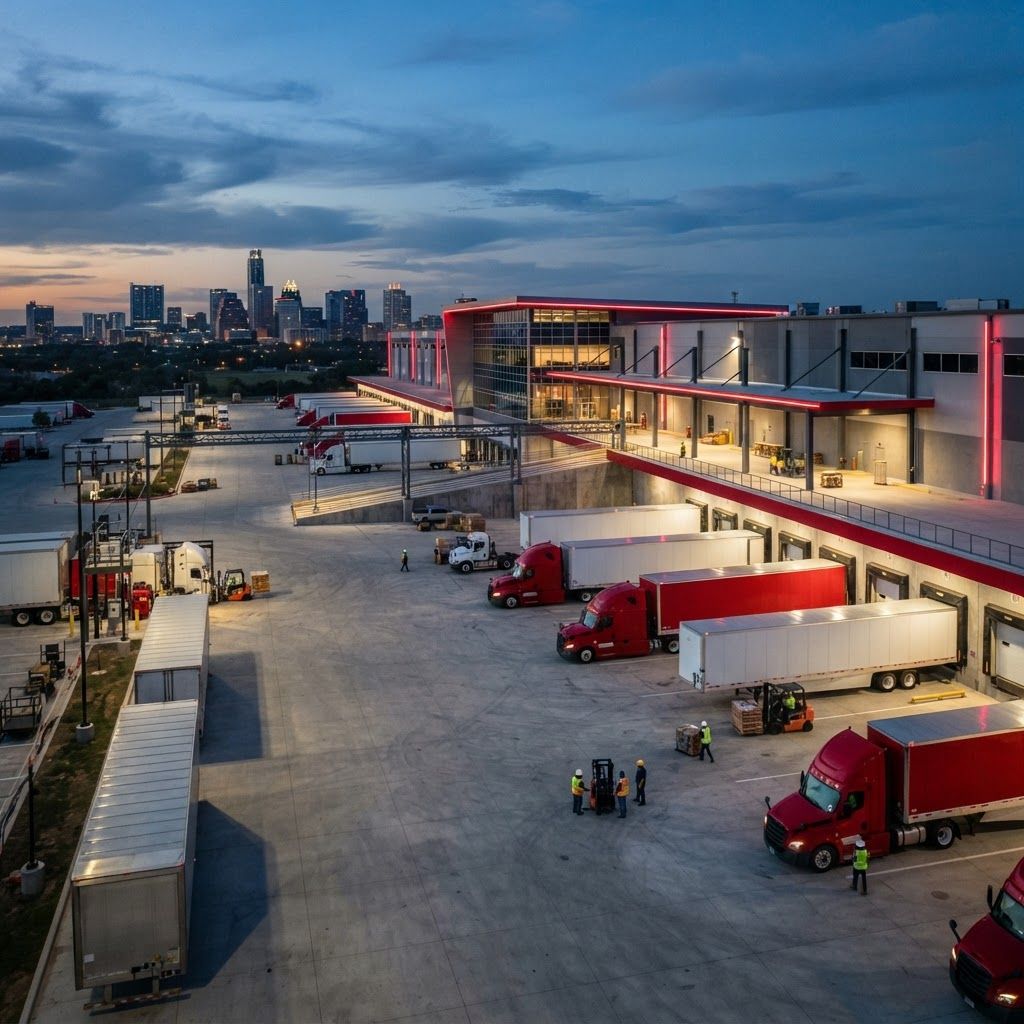
The Role of Freight in Austin's Economy
Austin's transformation into a major technology and manufacturing hub has placed freight transportation at the heart of its economic engine. As businesses ranging from semiconductor manufacturers to consumer goods distributors expand their operations, the demand for reliable freight services has surged. Positioned along the critical I-35 corridor, Austin serves as a strategic gateway between northern and southern markets, making it an ideal base for freight operators.
Freight companies handle the complex task of moving raw materials, finished products, and equipment efficiently and safely. Their work underpins everything from retail shelves stocked on time to construction projects supplied with materials, ensuring that Austin's fast-paced growth continues without interruption.
Qualities of a Top Freight Provider
The best freight companies combine capacity, reliability, and technological sophistication. Modern shippers expect real-time tracking, accurate delivery windows, and responsive communication. Providers that invest in fleet maintenance, driver training, and safety compliance build trust with clients who depend on their goods arriving intact and on schedule.
Flexibility is equally important. Leading freight operators offer a range of services including full truckload, less-than-truckload, refrigerated transport, and specialized hauling. This versatility allows them to serve diverse industries, from tech to food distribution, adapting to the specific requirements of each shipment.
Notable Freight Companies in the Region
Several established carriers and logistics firms operate throughout the Austin area. National players like J.B. Hunt Transport and Schneider National maintain a strong regional presence, offering extensive networks and advanced logistics technology. Old Dominion Freight Line and Estes Express Lines are well regarded for less-than-truckload shipping, providing dependable service for businesses that ship smaller volumes.
Regional specialists such as Central Freight Lines, historically rooted in Texas, and Averitt Express bring localized expertise to the market. For companies seeking integrated solutions, providers like XPO and Knight-Swift combine trucking capacity with brokerage services, helping shippers navigate capacity fluctuations and optimize costs.
Technology Transforming Freight
Technology has become a defining differentiator in the freight sector. Digital freight platforms, telematics, and route optimization software allow companies to improve efficiency and reduce empty miles. Automated load matching connects shippers with available carriers quickly, minimizing delays and lowering costs.
Data analytics also play a growing role, enabling predictive maintenance, demand forecasting, and better fleet utilization. In a competitive market, freight companies that embrace these tools deliver greater transparency and reliability, meeting the expectations of tech-savvy Austin businesses.
Challenges and Industry Trends
The freight industry faces ongoing challenges, including driver shortages, fluctuating fuel prices, and shifting demand patterns. Companies that address these issues through competitive compensation, sustainable practices, and operational efficiency tend to thrive. Sustainability is a rising priority, with many carriers adopting fuel-efficient equipment and exploring alternative energy sources to reduce emissions.
E-commerce growth has reshaped freight demand, increasing the need for faster and more flexible delivery options. Austin's freight providers are responding by strengthening last-mile capabilities and building resilient supply chains that can adapt to volatile conditions.
Selecting the Right Freight Partner
Choosing a freight company requires evaluating service capabilities, coverage area, safety record, and technology offerings. Businesses shipping temperature-sensitive goods need refrigerated options, while those with oversized cargo require specialized equipment. Reliability and communication should weigh heavily, as delays can ripple across an entire supply chain.
Austin's leading freight companies reflect the city's momentum, blending capacity, innovation, and service excellence. As the region continues to grow, these providers remain essential partners, ensuring goods move smoothly and businesses stay competitive in an increasingly connected economy.
Practical Questions to Ask Before Booking
Before making a commitment, ask each provider for a detailed explanation of what the quoted price includes, how schedule changes are handled, and what support is available if something goes wrong. Confirm the service area, operating hours, cancellation terms, insurance coverage, accessibility provisions, and any limits that could affect your plans. A low headline price may not represent the best overall value if essential features carry additional fees. Conversely, a premium rate can be worthwhile when it includes better equipment, experienced personnel, dependable communication, and a clear contingency plan.
It is also useful to compare recent customer feedback while keeping context in mind. Look for recurring themes rather than relying on a single review. Consistent praise for punctuality, careful handling, cleanliness, and problem resolution is a strong signal, while repeated complaints about unexplained charges or poor communication deserve attention. For business use, request references from clients with similar requirements and ask how the provider measures on-time performance. Planning early is especially important during major Austin events, university move-in periods, festival weekends, and peak summer travel, when availability can tighten quickly.
A Smarter Way to Compare Austin Providers
Create a short list based on the type of service you actually need, then request comparable written estimates from at least three providers. Give each company the same information so that pricing and service levels can be evaluated fairly. Consider total value rather than cost alone: reliability, safety practices, local knowledge, equipment quality, and responsive support can prevent delays and unnecessary stress. The strongest choice is typically the company whose capabilities fit your specific route, timing, volume, and service expectations.
Austin's rapid expansion continues to create new transportation challenges and opportunities. Established providers are improving digital tools, investing in efficient equipment, and adapting services to the city's changing geography. Customers who research carefully, communicate their requirements clearly, and book with a proven operator are best positioned for a smooth experience. As competition and technology advance, local users can expect greater visibility, more flexible options, and increasingly personalized service across the region.
