
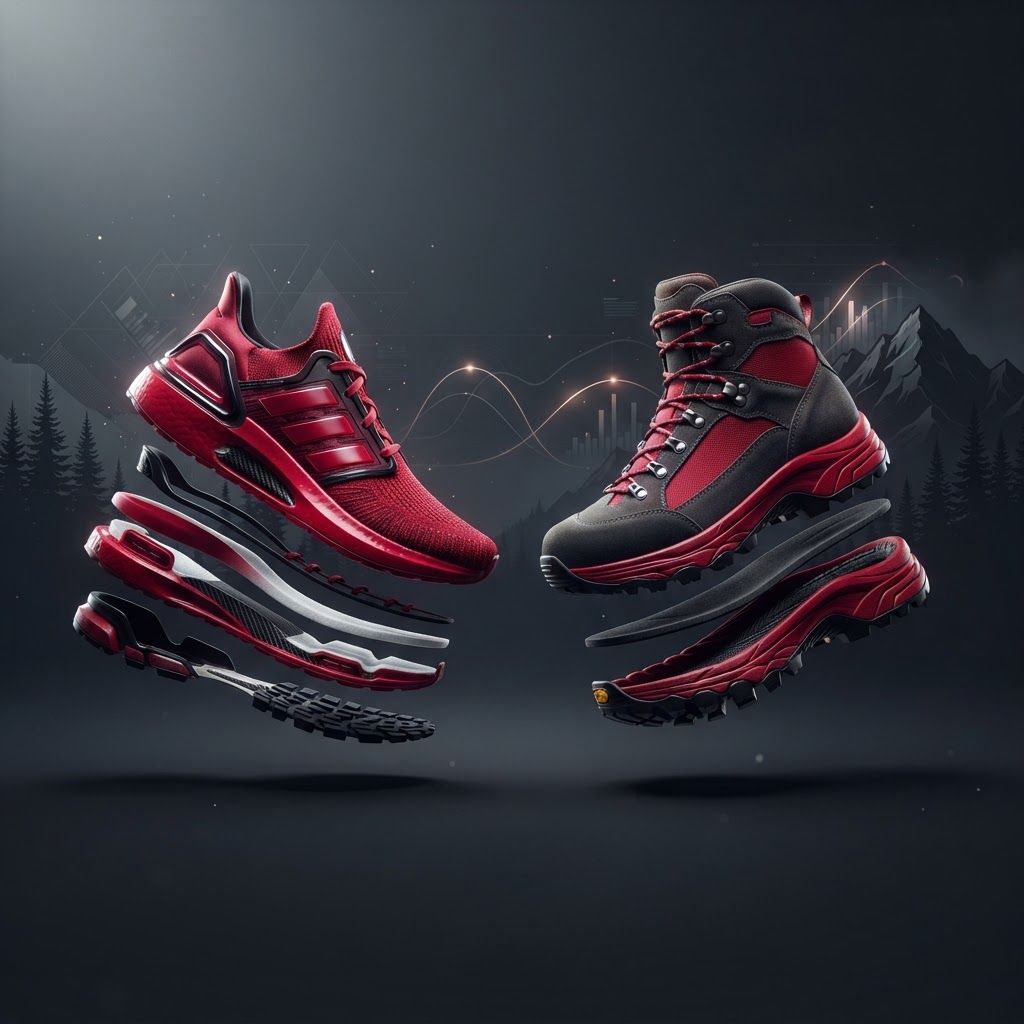
Why Portland Is the World's Footwear Design Hub
No city concentrates footwear expertise the way Portland does. The region hosts the design and development headquarters of multiple global athletic brands, along with the material scientists, last makers, tooling engineers and product testers required to bring shoes from sketch to production. That concentration means Portland has more working footwear designers per capita than almost anywhere on earth, and the talent circulates constantly between large corporations and small independent labels.
The local climate provides an unusually rigorous testing environment. Persistent rain, muddy trails within a short drive of downtown, urban walking and cycling commutes and mild temperatures create demanding real-world conditions for waterproofing, traction and durability. Portland brands are built for that reality, and it shows in their construction priorities.
What to Look for in Footwear
Fit comes first, and it depends on last shape, not just size. Consider volume, width, toe box shape and heel hold rather than length alone. For durability, examine construction method: cemented soles are lighter and cheaper but rarely resoleable, while Goodyear welted or stitchdown construction allows resoling and dramatically extends service life. Assess waterproofing honestly, since a waterproof membrane traps heat and full-grain leather with proper treatment often performs better for everyday urban use. Finally, look for brands that offer repair services, which is both a sustainability and value consideration.
The Top 10 Footwear Brands in Portland
1. Nike
Nike's footwear operation, headquartered in the Portland metro, remains the industry's most influential design and innovation program. Its contributions span cushioning foam technology, knit uppers, plated running shoes and sport-specific traction systems. For runners and athletes, the depth of its line means genuinely specialized options for distinct gait patterns, surfaces and distances rather than generic athletic shoes.
2. Adidas North America
Adidas maintains its North American headquarters in Portland, giving the city a second global footwear design engine. Its running platforms, football boots, skate lines and lifestyle collaborations are developed with substantial input from Portland-based teams. The brand's ongoing work on recycled and recyclable footwear construction is particularly relevant to sustainability-focused local consumers.
3. Danner
Danner has manufactured boots in Portland since the 1930s and remains the definitive Pacific Northwest bootmaker. Its stitchdown construction allows resoling, and its hiking, work and tactical boots are engineered specifically for wet, uneven terrain. For buyers who want a boot that can be maintained for a decade or more rather than replaced annually, Danner sets the local standard.
4. Keen
Founded in Portland, Keen built its identity around the protective toe bumper and roomy toe box, delivering comfort-forward sandals, hiking shoes and work footwear. The brand's wide-fitting lasts serve people whom narrow athletic footwear excludes, and its focus on eliminating harmful chemicals from manufacturing reflects the city's environmental priorities. Water-friendly designs suit the region's rivers, coast and rainfall.
5. Chrome Industries
Chrome's Portland presence and its cycling heritage inform footwear built for urban commuting, with reinforced pedal-contact areas, grippy outsoles and durable uppers that withstand daily wear in wet conditions. For bike commuters who need shoes that function on and off the pedals, this category solves a specific and common Portland problem.
6. Nau and Technical Urban Footwear Partners
Portland's technical urban segment produces shoes that bridge outdoor performance and city aesthetics, using waterproof membranes and durable outsoles in silhouettes that do not look like trail gear. These designs suit the daily reality of walking several damp blocks to a meeting, which describes much of professional life in the city.
7. Wolverine and Heritage Work Boot Brands
Heritage work boot brands with strong Portland retail presence remain popular for both trade work and everyday wear. Full-grain leather uppers, welted construction, oil-resistant outsoles and electrical hazard ratings serve genuine occupational needs, while the aesthetic has crossed over into general wardrobe use. Longevity and resoleability are the core value propositions.
8. Nike ACG and All Conditions Gear
The all-conditions category deserves separate mention because it directly addresses Pacific Northwest use. These shoes and boots combine aggressive traction, water resistance, quick-drying materials and secure lacing systems for the trail-to-town transitions common in Portland weekends. The design brief is versatility rather than single-sport optimization.
9. Hoka and Cushioned Running Specialists
Maximally cushioned running footwear has become dominant among Portland's large running community, particularly for high-mileage road training and for runners managing joint stress. Local specialty running retailers provide gait analysis and treadmill fitting, which matters far more than brand selection alone. The city's running culture supports genuinely knowledgeable fitting services.
10. Independent Portland Cobblers and Custom Bootmakers
Portland sustains a remarkable community of small-batch bootmakers and repair shops offering hand-welted construction, custom lasts and full restoration services. For buyers who want footwear built to their exact foot shape, or who want to extend the life of quality boots indefinitely, these craftspeople provide something mass production cannot. They are also the practical backbone of the resoleable footwear ecosystem.
Industry Trends
Several developments are reshaping footwear. Recyclable single-material construction is advancing, aiming to solve the end-of-life problem created by multi-material glued shoes. Repairability has returned as a marketing priority, with more brands operating factory refurbishment programs. Foot-shaped lasts and wider toe boxes have gained mainstream acceptance as awareness of natural foot function grows. Bio-based foams and leather alternatives continue to improve, though durability testing remains the deciding factor for serious buyers.
Choosing the Right Pair
Match construction to use. Daily urban wear in rain calls for treated full-grain leather or a waterproof membrane with a grippy outsole. Trail use requires aggressive lugs and adequate torsional stiffness. Occupational wear demands safety ratings and resoleable construction. Running requires professional gait assessment rather than brand loyalty. Whatever the category, shop late in the day when feet are slightly swollen, wear the socks you intend to use and walk on a hard surface before deciding.
Final Thoughts
Portland's footwear brands range from global innovation programs to individual craftspeople stitching boots by hand, and that range is exactly what makes the city remarkable. Choose based on genuine use case and prioritize construction that can be repaired, because in this climate the shoes that last are the ones designed to be maintained.
