
Feeding a City With Deep Food Traditions
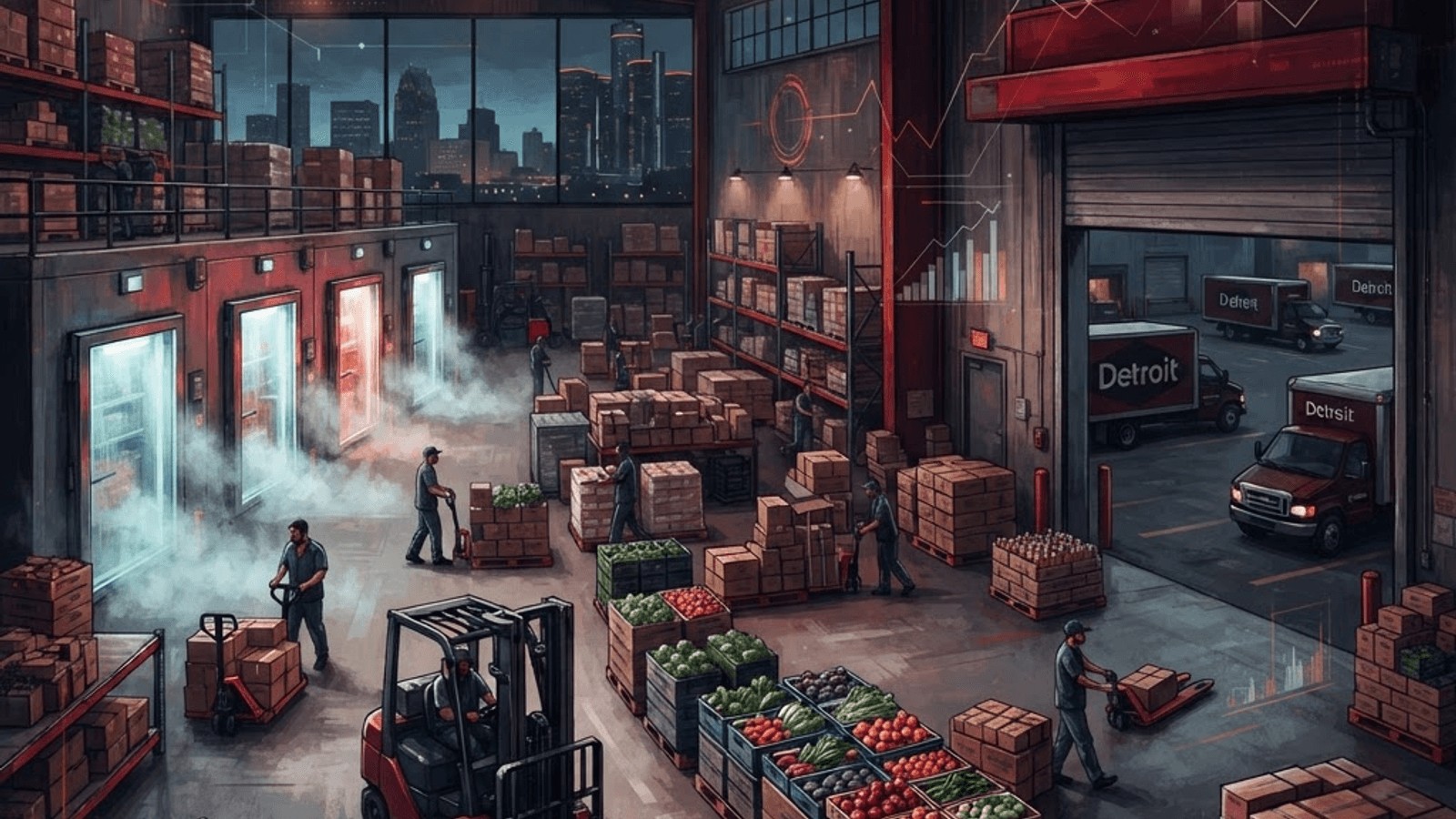
Detroit has one of the most interesting food cultures in the United States, shaped by Middle Eastern, Eastern European, African American, Latin American, and Asian communities that each built their own culinary infrastructure. Behind every neighborhood bakery, coney island, halal butcher, taqueria, and fine dining kitchen sits a network of wholesalers moving product from farms, processors, and importers into commercial kitchens.
The anchor of this system is Eastern Market, one of the oldest and largest public market districts in the country, surrounded by wholesale food businesses that have operated for generations. That district, combined with modern distribution centers along the region's freeway network, gives Detroit food buyers unusually broad access to both mainstream and specialty products.
How Food Wholesale Works
Broadline distributors carry thousands of items across produce, protein, dry goods, dairy, frozen products, and disposables, offering one-stop convenience for restaurants. Specialty distributors focus narrowly on categories such as produce, seafood, meat, bakery ingredients, or ethnic imports, providing deeper selection and expertise. Cash-and-carry wholesalers let operators buy immediately without minimum delivery thresholds, which suits small independents and caterers with variable needs.
Most successful operators combine approaches: a broadline supplier for staples, one or two specialists for signature ingredients, and a cash-and-carry backup for emergencies. This structure balances cost, quality, and resilience.
The Top 10 Best Food Wholesalers in Detroit
1. Eastern Market Wholesale Produce
The wholesale produce houses surrounding Eastern Market form the backbone of Detroit's fresh supply, moving fruits and vegetables from regional farms and national shippers to restaurants, grocers, and secondary distributors. Buyers gain access to Michigan seasonal produce including cherries, apples, asparagus, and squash, alongside year-round imports. Early morning buying allows chefs to inspect quality personally rather than accepting substitutions.
2. Great Lakes Foodservice Distribution
Great Lakes Foodservice Distribution represents the broadline distributors serving Detroit restaurants, hotels, and institutions with comprehensive catalogs, scheduled delivery routes, and online ordering. Value extends beyond product to menu costing tools, inventory analytics, and consultant support. Multi-unit operators particularly benefit from consistent pricing and standardized specifications across locations.
3. Motor City Meat & Provisions
Motor City Meat & Provisions reflects Detroit's wholesale butchery and protein distribution sector, supplying beef, pork, poultry, and portion-controlled cuts to restaurants and retailers. Custom cutting to chef specification, aging programs, and grading transparency distinguish the strongest suppliers. Halal processing capability is especially significant given the metro area's large Muslim population and demand from restaurants and grocers.
4. Superior Seafood Distribution
Superior Seafood Distribution stands for the seafood wholesalers serving Detroit despite the city's inland location, air-freighting fresh fish and shellfish while also supplying frozen and value-added products. Cold chain integrity and receiving discipline determine quality in this category more than any other. Buyers should ask about delivery frequency, temperature logging, and sourcing traceability for both wild and farmed products.
5. Detroit Dairy Distributors
Detroit Dairy Distributors represents the dairy wholesale segment supplying milk, cream, butter, cheese, and cultured products to bakeries, pizzerias, cafes, and institutions. Michigan's substantial dairy industry supports competitive regional pricing and short farm-to-kitchen timelines. Pizza-heavy markets like Detroit place particular emphasis on consistent cheese performance under high-heat baking.
6. Middle Eastern Food Importers of Michigan
This category reflects the importers and distributors that supply Detroit's renowned Middle Eastern food scene with olive oils, tahini, spices, legumes, rice, breads, and specialty groceries. The metro area's concentration of Lebanese, Yemeni, Iraqi, and Syrian communities has created one of the deepest specialty import networks in North America. Restaurants nationwide source from these distributors because selection and authenticity exceed mainstream channels.
7. Great Lakes Bakery Ingredients
Great Lakes Bakery Ingredients stands for wholesalers supplying flour, yeast, sweeteners, fillings, chocolate, and frozen dough to bakeries, pizza shops, and food manufacturers. Technical support around dough performance, shelf life, and formulation adjustment is a genuine differentiator. Detroit's strong bakery tradition, from paczki to Detroit-style pizza dough, sustains substantial ingredient volume.
8. Michigan Cash & Carry Foods
Michigan Cash & Carry Foods represents warehouse-style wholesalers where operators buy on-site without delivery minimums. Food trucks, caterers, small restaurants, and church kitchens rely on this flexibility, especially for last-minute needs. Pricing is generally higher than contracted delivery, but the absence of minimums and immediate availability often justify the premium.
9. Detroit Beverage Wholesale
Detroit Beverage Wholesale reflects the distributors supplying non-alcoholic beverages, coffee, tea, syrups, and dispensing equipment to foodservice accounts. Beverage programs carry some of the highest margins on a restaurant menu, so equipment support, training, and consistent product supply directly affect profitability. Local roasters increasingly partner with these distributors to reach wider accounts.
10. Motor City Restaurant Supply
Motor City Restaurant Supply rounds out the list, covering wholesalers of disposables, packaging, cleaning chemicals, and smallwares alongside food items. Takeout growth has made packaging a strategic category, influencing food quality on arrival and brand perception. Suppliers offering compostable and recyclable options help operators meet customer expectations and local sustainability commitments.
How to Choose a Food Wholesaler
Food safety comes first. Ask for third-party audit results, confirm cold chain monitoring practices, and understand recall notification procedures. Verify that delivery vehicles maintain proper temperatures and that receiving documentation includes temperature records. A single cold chain failure can generate illness, liability, and reputational damage.
Then evaluate service fit. Confirm delivery days and windows, order cutoff times, minimum order values, substitution policies, and credit handling for damaged goods. For restaurants with limited storage, delivery frequency can be more valuable than case pricing because it reduces waste and freezer burn.
Finally, negotiate transparently. Understand how pricing is structured, whether on cost-plus or market pricing, and request periodic price audits. Build relationships with more than one supplier per critical category so that a disruption never leaves your menu unsupported.
Trends Shaping Food Distribution
Local sourcing continues to expand as operators highlight Michigan farms on menus. Technology adoption has accelerated, with digital ordering, real-time substitution alerts, and inventory integration becoming standard. Labor scarcity has increased demand for pre-cut and value-added products. And sustainability expectations are reshaping packaging selection and waste diversion practices across the industry.
Final Thoughts
Detroit's food wholesale network combines historic market district traditions with modern distribution capability and extraordinary specialty depth. Whether you operate a single cafe or a multi-site restaurant group, the region can supply nearly any ingredient reliably. Prioritize food safety documentation, delivery consistency, and pricing transparency when selecting partners.
