
Why Chicago Is a Food Distribution Powerhouse
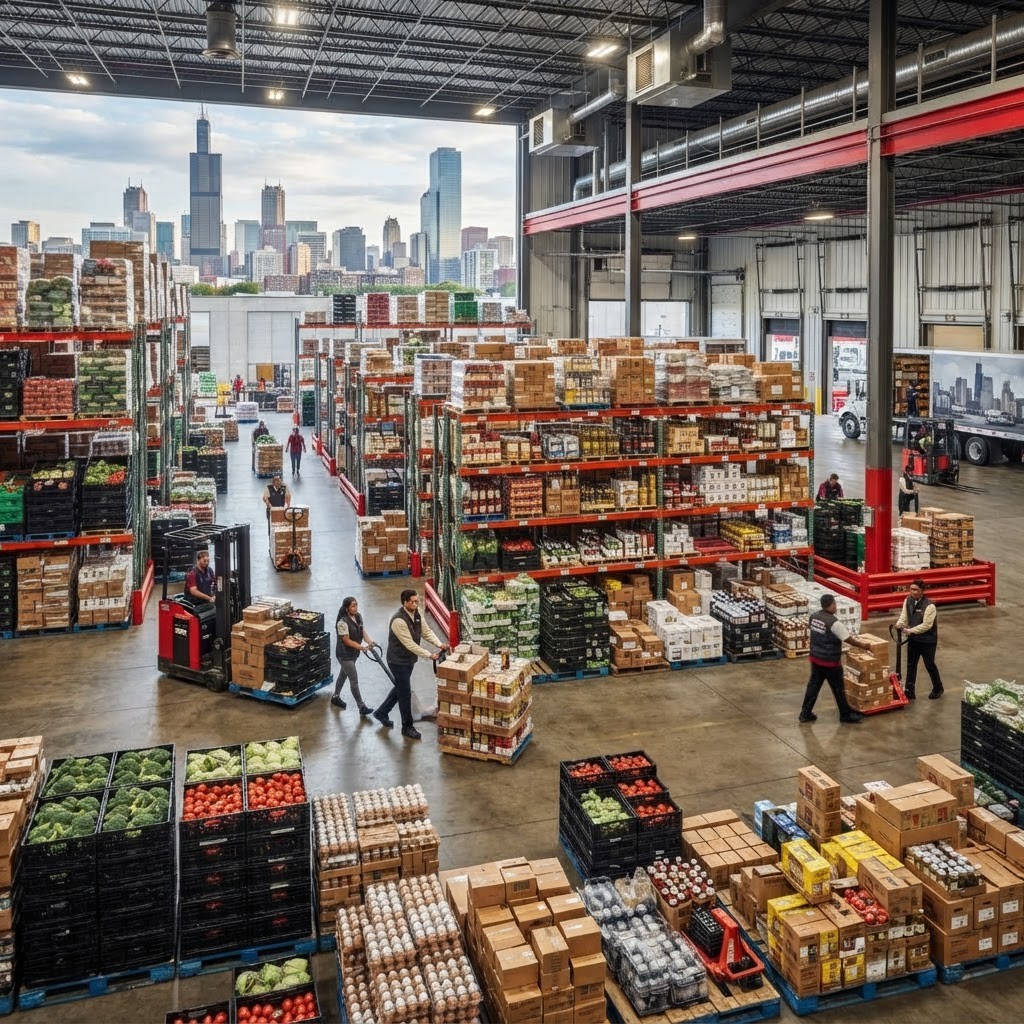
Chicago's central geography, transportation infrastructure, culinary diversity, and concentration of restaurants and food manufacturers have made it a vital wholesale food market for generations. Distributors move fresh produce, meat, seafood, dairy, frozen items, dry goods, beverages, disposables, and specialty ingredients through the city every day. The International Produce Market and large cold-storage network reinforce the region's reach throughout the Midwest.
The best food wholesaler depends on menu, volume, delivery schedule, storage capacity, and quality standards. Operators should evaluate food-safety programs, cold-chain control, order cutoffs, fill rates, substitutions, traceability, minimums, and emergency support. Transparent specifications matter because two products with similar names may differ greatly in grade, trim, pack size, yield, or origin.
1. Sysco Chicago
Sysco Chicago is a major broadline distributor serving restaurants, hospitality businesses, healthcare facilities, schools, and other foodservice operations. Its portfolio spans fresh and frozen food, pantry staples, beverages, equipment, and disposables. The advantage of a broadline partner is purchasing efficiency and coordinated delivery across many categories. Sysco also offers operational resources that can help customers with menu planning, product selection, and kitchen efficiency.
2. US Foods
US Foods has deep roots in the Chicago region and supplies a wide range of foodservice customers. Its broad assortment includes national brands, private-label products, produce, proteins, prepared items, and nonfood supplies. The company combines distribution scale with tools intended to support menu development and purchasing. It is well suited to operators that want a consolidated primary supplier while still using specialists for signature ingredients.
3. Gordon Food Service
Gordon Food Service serves Chicago with broadline distribution and accessible retail stores for businesses that need flexible quantities or quick replenishment. Its range supports independent restaurants, caterers, schools, and institutions. Consistent products and standardized pack sizes simplify recipe costing. The combination of scheduled distribution and store access can be particularly useful when demand changes unexpectedly.
4. Testa Produce
Chicago-based Testa Produce specializes in fresh fruits and vegetables, along with complementary foodservice items. Produce distribution depends on rapid turnover, temperature management, careful receiving, and knowledgeable grading. Testa is also recognized for investments in a more efficient distribution facility and operational sustainability. Restaurants that make produce central to their menus benefit from a specialist able to discuss seasonality, ripeness, and alternatives.
5. Anthony Marano Company
Anthony Marano Company is a prominent produce wholesaler operating from the Chicago International Produce Market. It sources and distributes a broad variety of fruits and vegetables to retailers and foodservice businesses. The company's market presence provides access to high volumes and seasonal diversity. Buyers should communicate desired grade, size, maturity, and pack clearly to maintain consistency.
6. Fortune Fish & Gourmet
Bensenville-based Fortune Fish & Gourmet supplies seafood, meat, specialty foods, and gourmet products. Seafood requires disciplined sourcing, temperature control, traceability, and accurate species identification. The company's category expertise helps chefs compare wild and farmed options, seasonal availability, cuts, and preparation formats. Its gourmet assortment also supports restaurants seeking distinctive cheeses, charcuterie, and pantry ingredients.
7. Nicholas and Company
Nicholas and Company serves the broader Chicago and Midwest foodservice market with a family-owned distribution approach. It provides broadline products and services to independent restaurants and institutions. Regional distributors can distinguish themselves through attentive account relationships, adaptable ordering, and knowledge of local operator needs. Customers should compare delivery coverage and category depth for their particular location.
8. Greco and Sons
Greco and Sons, founded in the Chicago area, is a specialist in Italian and Mediterranean foodservice products and now operates within a larger distribution network. Its assortment includes cheeses, cured meats, oils, tomatoes, pasta, flour, and pizza ingredients. Category specialization is valuable because authenticity and performance depend on details such as cheese melt, flour strength, tomato texture, and meat curing style.
9. Patel Brothers Wholesale
The Chicago region is home to Patel Brothers, a major name in South Asian grocery retail and distribution. Its ecosystem provides access to rice, lentils, flours, spices, frozen foods, produce, and specialty brands important to Indian and South Asian cooking. This depth supports restaurants and retailers seeking authentic variety rather than a narrow international aisle. Accurate turnover planning remains important for products with different storage needs.
10. Dearborn Wholesale Grocers
Dearborn Wholesale Grocers serves independent retailers in Chicago with grocery, dairy, frozen, meat, produce, and general merchandise. Independent neighborhood stores benefit from wholesalers that understand smaller footprints, local preferences, and mixed-case purchasing needs. Dearborn's focus on this market helps retailers maintain broad assortments while competing with larger chains.
Building a Reliable Supply Program
Most successful kitchens and retailers use a primary distributor plus carefully chosen specialists. Consolidation saves receiving time, but produce, seafood, meat, bakery, or international experts may provide distinctive quality and knowledge. Establish written specifications for high-impact items, inspect deliveries promptly, record temperatures where required, and report discrepancies with clear evidence. Track actual usable yield rather than comparing case price alone.
Chicago food distribution is being shaped by online ordering, route optimization, labor-saving prepared products, local sourcing, food-waste reduction, and more transparent traceability. Operators should avoid chasing trends that do not fit their customers or kitchens. A dependable wholesaler acts as an information partner, communicating shortages and seasonal changes early. With broadline scale and exceptional specialty markets in the same region, Chicago businesses can build resilient supply programs that support food safety, consistent quality, and memorable menus.
