
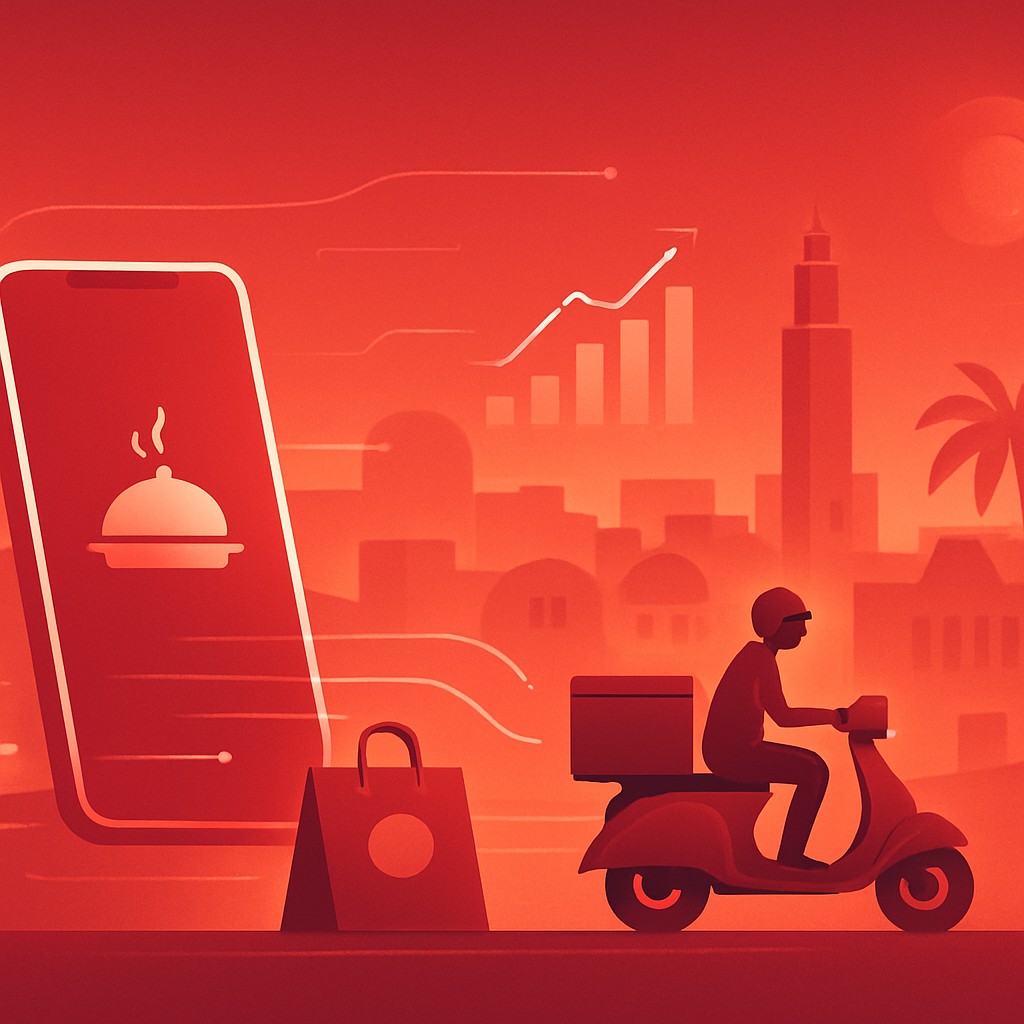
The Rise of Food Delivery in Côte d'Ivoire
Côte d'Ivoire has emerged as one of West Africa's most dynamic digital economies, and few sectors illustrate this transformation more clearly than food delivery. Fueled by rapid smartphone adoption, expanding mobile money usage, and a young urban population concentrated in Abidjan, online food ordering has shifted from a novelty into an everyday convenience. Whether someone is craving attiéké with grilled fish, a quick shawarma, or international cuisine, delivery apps now place an enormous range of choices within a few taps.
The growth of this market reflects broader changes in Ivorian lifestyles. Busy professionals, students, and families increasingly value the time savings that delivery offers, while restaurants of all sizes have embraced these platforms to reach customers far beyond their immediate streets. The result is a competitive, fast-evolving landscape where service quality, restaurant selection, and reliable logistics determine which apps thrive.
What Sets the Best Apps Apart
The strongest food delivery platforms in Côte d'Ivoire distinguish themselves through several key factors. Wide restaurant coverage ensures customers can access both beloved local maquis and modern eateries. Efficient delivery networks, often powered by motorbike riders who navigate Abidjan's traffic with ease, keep wait times reasonable. Flexible payment options, including mobile money services widely used across the country, remove friction at checkout. Finally, intuitive app design and responsive customer support build the trust that keeps users coming back.
Leading Food Delivery Apps
Glovo has become a household name in Abidjan, recognized for its broad catalogue that spans restaurants, groceries, and pharmacy items. Its on-demand model and real-time tracking appeal to users who want visibility from order to doorstep. Yango Deli and Yango Food leverage the brand's strong logistics expertise, offering competitive delivery times and a growing roster of partner restaurants.
Jumia Food, before market consolidation, helped pioneer the category and built early awareness of app-based ordering across the country. Local innovators such as Bring Food and Yamo have carved out loyal followings by focusing on Ivorian culinary favorites and personalized service. Platforms like Lonaci Delivery initiatives, Afoodi, and emerging regional startups continue to widen the field, while restaurant-specific apps from major chains give brands direct control over their delivery experience.
The Role of Mobile Money and Local Logistics
One of the defining characteristics of food delivery in Côte d'Ivoire is the central role of mobile money. With a large share of the population preferring mobile wallets over cards, the most successful apps integrate these payment rails seamlessly. This inclusivity broadens the customer base well beyond traditional banked consumers and supports the informal economy that powers much of daily commerce.
Equally important is the network of delivery riders. Motorbike couriers are uniquely suited to Abidjan's dense traffic and varied road conditions, enabling quick deliveries that larger vehicles could not match. Apps that invest in rider training, fair compensation, and route optimization typically deliver the most consistent customer experiences.
Trends Shaping the Future
Several trends are poised to reshape the sector. Grocery and convenience delivery are expanding rapidly, blurring the line between food apps and broader quick-commerce services. Data-driven personalization is helping platforms recommend dishes and promotions tailored to individual tastes. Sustainability is also entering the conversation, with growing interest in eco-friendly packaging and more efficient delivery routing.
As internet penetration deepens beyond Abidjan into cities like Bouaké, Yamoussoukro, and San-Pédro, delivery apps have significant room to grow. The platforms that combine reliable logistics, strong restaurant partnerships, and inclusive payment options are best positioned to lead.
Conclusion
Food delivery apps have fundamentally changed how Ivorians eat, shop, and experience convenience. The best platforms succeed not simply by listing restaurants, but by mastering the local context, from mobile money integration to motorbike logistics and authentic culinary selection. For consumers, this competitive market means more choice, faster service, and greater convenience than ever before, signaling a vibrant future for digital commerce in Côte d'Ivoire.
