
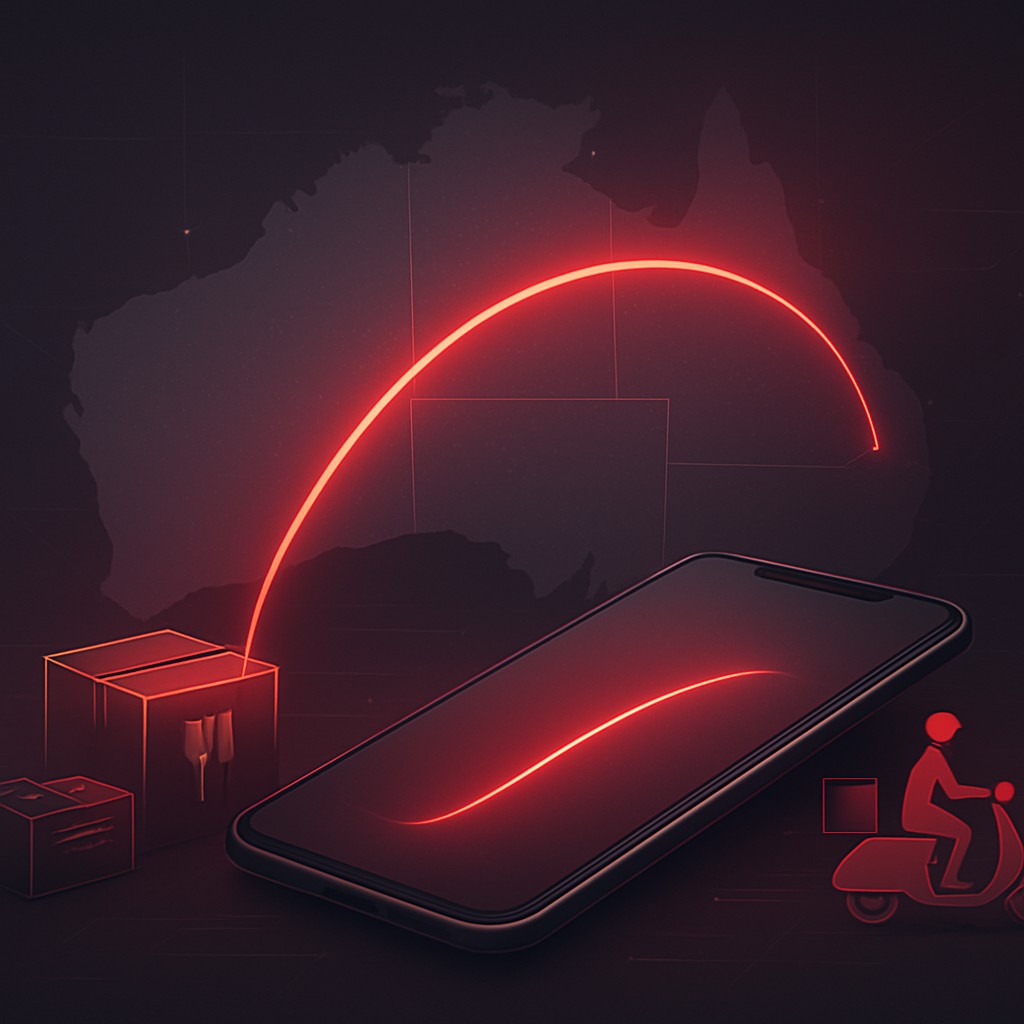
How Food Delivery Transformed Dining in Australia
Over the past decade, food delivery apps have reshaped the way Australians eat. What began as a convenient option for busy households has become an everyday habit for millions across cities like Sydney, Melbourne, Brisbane, Perth and Adelaide. The combination of smartphone penetration, dense urban living, and a vibrant multicultural food scene created the perfect environment for delivery platforms to thrive. Today, ordering dinner is as simple as a few taps, with real-time tracking, contactless payment and a vast catalogue of restaurants at your fingertips.
The Australian market is notably competitive, with global giants operating alongside homegrown innovators. Each platform differentiates itself through delivery speed, restaurant partnerships, subscription perks and grocery integration. For consumers, this competition has translated into better service, wider choice and frequent promotions.
The Leading Food Delivery Platforms
Uber Eats remains one of the most recognised names in the country, leveraging the broad Uber network to offer rapid deliveries and an enormous selection of restaurants. Its seamless app experience, live driver tracking and membership benefits through Uber One make it a default choice for many households.
DoorDash has expanded aggressively across Australia, partnering with both major chains and local eateries. Its DashPass subscription, generous promotions and strong regional coverage have helped it win loyal customers, particularly in suburban and outer-metro areas.
Menulog is one of Australia's longest-standing delivery services, known for its extensive network of takeaway restaurants. It appeals to customers seeking familiar local favourites and offers both restaurant-employed couriers and its own delivery fleet.
HungryPanda caters specifically to Australia's large Asian communities and international students, specialising in authentic Chinese and pan-Asian cuisine. Its niche focus and culturally tailored experience set it apart from broader competitors.
EASI similarly serves Asian food lovers, offering a curated catalogue of restaurants and grocery options, with a strong following among students and professionals seeking authentic flavours.
Grocery and Convenience Delivery
Coles and Woolworths have both built sophisticated delivery operations, allowing customers to receive full grocery shops at their door. Their rapid-delivery initiatives have brought essentials within reach in under an hour in many metropolitan areas, blurring the line between supermarket and on-demand convenience.
Milkrun, now operating under the Woolworths umbrella, popularised the ultra-fast grocery model, focusing on delivering everyday items quickly to inner-city residents. Its emphasis on speed and reliability redefined customer expectations around convenience shopping.
DoorDash's grocery and retail expansion has also become significant, while Deliveroo, though it scaled back its Australian operations, left a lasting influence on premium restaurant delivery and rider experience standards that competitors continue to follow.
What Makes a Great Delivery App
The best platforms succeed by balancing three priorities: choice, speed and reliability. A wide restaurant and grocery selection ensures there is something for every craving and dietary need. Fast, accurate delivery builds trust, while transparent pricing and responsive customer support keep users coming back. Increasingly, subscription models reward frequent customers with free delivery and exclusive discounts, encouraging long-term loyalty.
Technology plays a central role. Real-time GPS tracking, accurate delivery estimates and smart routing reduce wait times and improve the overall experience. Many apps now use data to personalise recommendations, surface relevant promotions and streamline reordering of favourite meals.
Trends Shaping the Future
Several trends are influencing the next phase of food delivery in Australia. Sustainability has become a major focus, with platforms introducing eco-friendly packaging options and carbon-conscious delivery practices. The rise of ghost kitchens, which operate purely for delivery without a traditional dine-in space, is expanding menu variety while lowering costs for restaurants.
Grocery and convenience delivery continues to grow rapidly, with consumers expecting everything from fresh produce to pharmacy items delivered within the hour. Loyalty ecosystems are also deepening, as companies bundle food, grocery and ride services into single memberships that increase customer retention.
Choosing the Right App for You
The ideal delivery app depends on individual priorities. Those seeking the widest restaurant choice and fastest service often gravitate toward Uber Eats or DoorDash. Customers who value local takeaway options may prefer Menulog, while diners craving authentic Asian cuisine frequently choose HungryPanda or EASI. For weekly essentials, Coles, Woolworths and Milkrun provide dependable grocery delivery.
Many Australians use a combination of apps, switching based on cuisine, promotions and delivery times. This flexibility highlights the strength of the local market, where competition consistently benefits the consumer.
Conclusion
Food delivery in Australia has matured into a sophisticated, highly competitive industry that delivers genuine value to consumers. From global leaders like Uber Eats and DoorDash to specialised services such as HungryPanda and grocery innovators like Milkrun, each platform contributes to a rich and convenient dining ecosystem. As technology advances and customer expectations rise, these apps will continue to evolve, offering faster, smarter and more sustainable ways to enjoy food at home.
