
Rwanda's Emerging Fishery Sector
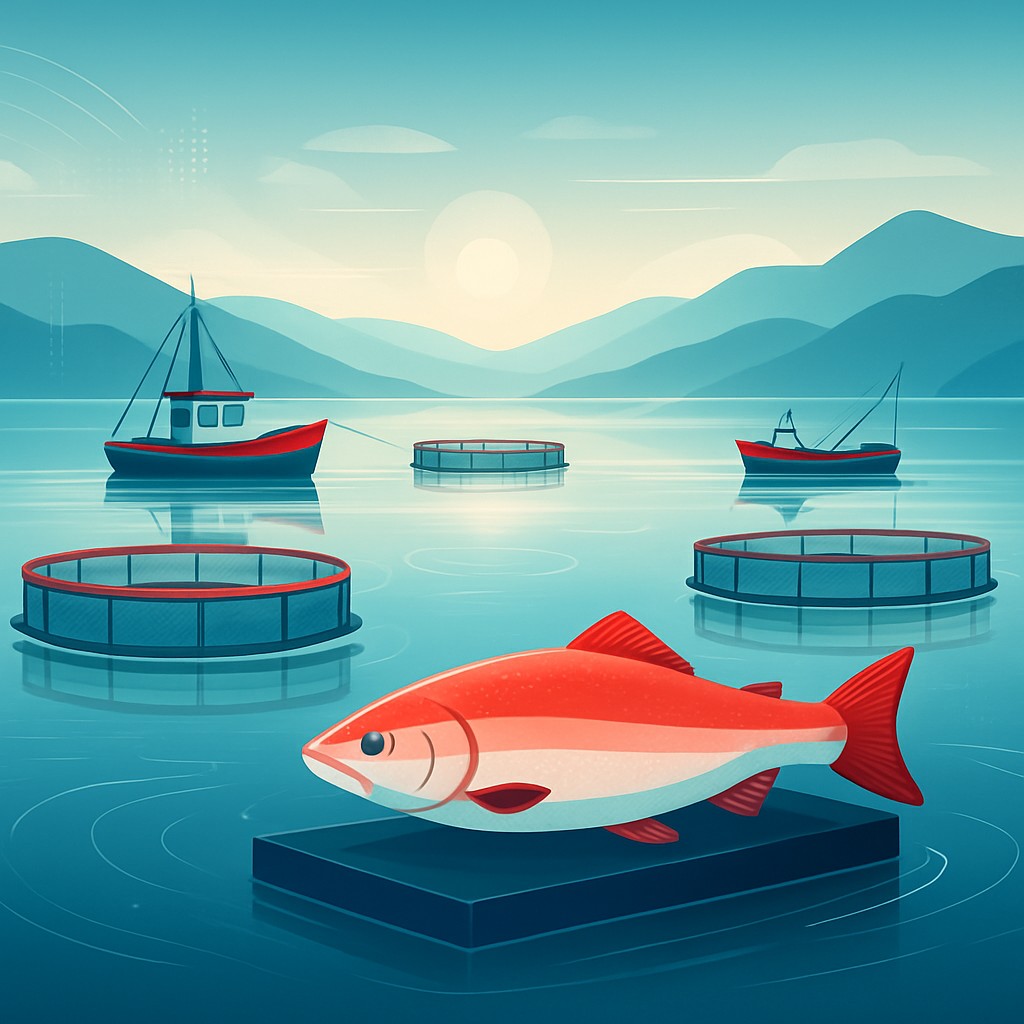
Blessed with numerous lakes and rivers, Rwanda has steadily developed a fishery sector that contributes to nutrition, employment, and economic diversification. While capture fisheries on lakes such as Kivu have long supported local communities, aquaculture is now driving rapid growth as the country seeks to meet rising demand for fish protein. Fishery companies are at the center of this expansion, combining modern techniques with sustainable management.
The sector aligns closely with national goals around food security and reduced reliance on imported fish. By investing in fish farming, processing, and distribution, these companies are building a resilient industry that benefits both producers and consumers.
The Importance of Sustainable Fisheries
Fish provides an affordable and nutritious source of protein, making the fishery sector vital for public health. Leading companies recognize that long-term success depends on sustainable practices that protect fish stocks and aquatic ecosystems. Responsible aquaculture, careful management of wild catches, and adherence to environmental standards are hallmarks of the best operators.
Quality and food safety are equally important. Companies that invest in proper handling, cold chains, and hygienic processing deliver products that meet the expectations of restaurants, retailers, and households.
Leading Fishery Companies
Lake Kivu Fisheries is a prominent operator harvesting and processing fish from one of Rwanda's most productive lakes. The company is known for its commitment to sustainable catch management and reliable supply to urban markets.
Rwanda Aquaculture Group specializes in fish farming, operating modern ponds and cage systems that produce tilapia and other species. Its focus on controlled, sustainable production has made it a leader in the growing aquaculture segment.
Inyanja Fresh Fish concentrates on fresh and chilled fish distribution, maintaining an efficient cold chain that ensures product quality from lake to table. Its responsiveness has earned it strong relationships with hotels and restaurants.
Akagera Fish Farms integrates farming with processing, offering value-added products such as filleted and smoked fish. This diversification helps capture more value and serve varied customer needs.
Imboni Aquatic Ventures supports smallholder fish farmers through training, fingerling supply, and market access, strengthening the broader aquaculture ecosystem.
Innovative and Community-Focused Operators
Umuhinzi Fish Cooperative brings together community fishers to improve bargaining power and share resources, promoting equitable growth. Kivu Blue Aquafarms applies modern cage culture technology on Lake Kivu, achieving high productivity while monitoring environmental impact.
Isoko Seafood Distributors focuses on getting fish products to urban consumers efficiently, operating distribution networks that reduce post-harvest losses. Virunga Fisheries emphasizes eco-friendly aquaculture and supports local livelihoods around protected areas.
Hill Country Aqua rounds out the list with investments in hatcheries and feed production, addressing critical bottlenecks in the aquaculture value chain.
Trends Shaping the Industry
Aquaculture is the clear growth engine of Rwanda's fishery sector, reducing pressure on wild stocks while meeting rising demand. Investments in hatcheries, quality feed, and improved farming techniques are boosting yields and consistency. Cold chain infrastructure is expanding, helping minimize losses and extend product reach.
Sustainability and environmental stewardship remain central themes, with companies increasingly adopting practices that safeguard water quality and biodiversity. Training and inclusion of smallholder farmers are also expanding the sector's reach and impact.
Supporting a Sustainable Blue Economy
The fishery companies featured here are building a vibrant, sustainable industry that strengthens food security and creates rural jobs. By combining innovation with responsible management, they are unlocking the potential of Rwanda's freshwater resources. For consumers, investors, and communities, these enterprises represent the promising future of the nation's blue economy.
