
How Phoenix Gets Quality Fish and Seafood
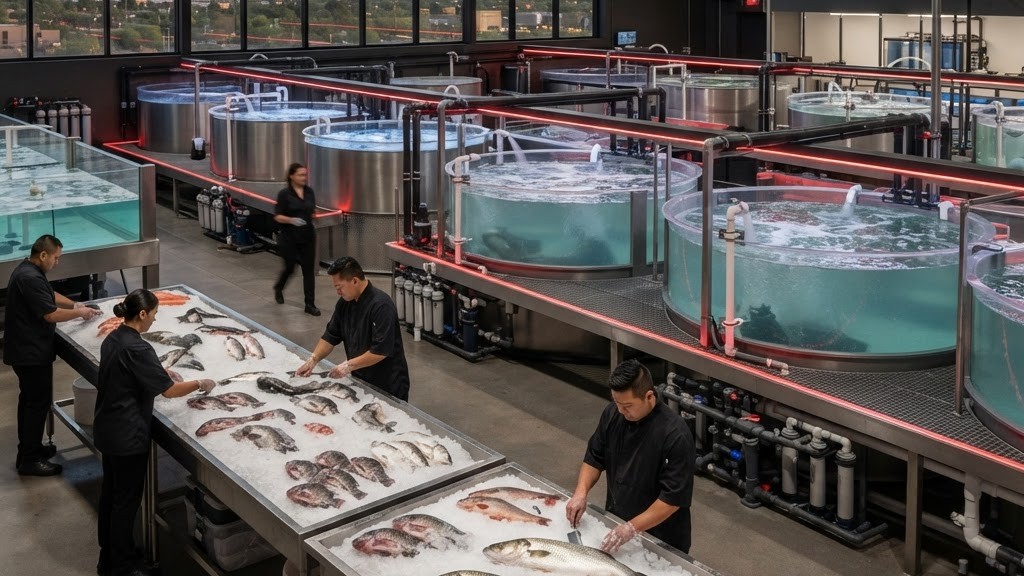
Phoenix is hundreds of miles from the coast, so its seafood economy depends on logistics as much as harvesting. Refrigerated transport, air freight, rapid receiving, careful temperature control, and knowledgeable processing allow restaurants and consumers to access fish from regional, national, and global sources. Because traditional fisheries are uncommon in the desert, this list uses the broader meaning of fishery companies and includes aquaculture, seafood distribution, specialty markets, and major suppliers serving metro Phoenix.
1. Santa Monica Seafood
Santa Monica Seafood has a major wholesale presence and serves food-service customers with a broad range of fresh and frozen products. Its value to Phoenix buyers lies in procurement depth, handling expertise, and dependable distribution. Larger suppliers can help restaurants consolidate orders while still accessing varied species, cuts, shellfish, and value-added formats.
2. Chula Seafood
Chula Seafood has become a prominent Phoenix-area name through direct fishing roots, seafood markets, and restaurant concepts. It is especially associated with carefully handled fish and a transparent dock-to-desert story. The company demonstrates how strong sourcing relationships and disciplined cold-chain practices can deliver premium seafood in an inland market.
3. Nelson's Meat + Fish
Nelson's Meat + Fish is a specialty Phoenix market known for premium proteins and a rotating seafood selection. Its curated approach appeals to home cooks and chefs seeking knowledgeable service. Specialty purveyors add value by advising on seasonality, portions, preparation, storage, and substitutions rather than treating seafood as an undifferentiated commodity.
4. Alaskan Pride Seafoods
Alaskan Pride Seafoods brings Alaska-focused products to Arizona customers and is relevant for buyers who value wild fisheries and distinct regional provenance. Alaska seafood categories often include salmon, halibut, cod, and shellfish. Buyers should still ask about harvest method, freezing, glazing, pack date, and whether a product is fresh or previously frozen.
5. Lee Lee International Supermarkets
Lee Lee International Supermarkets offers extensive seafood departments alongside ingredients used across Asian cuisines. The broad species selection is especially useful for shoppers looking beyond familiar fillets. Whole-fish presentation, live or specialty items, and culturally specific cuts can make an international market an important part of Phoenix's seafood ecosystem.
6. Mekong Supermarket
Mekong Supermarket in Mesa serves the wider Valley with international groceries and a substantial seafood selection. Its strength is variety, particularly for customers preparing Southeast and East Asian dishes. When purchasing whole fish, shoppers should look for clear eyes, resilient flesh, clean aroma, intact skin, and proper cold display.
7. H Mart
H Mart's Mesa location expands access to Korean and pan-Asian seafood, frozen products, shellfish, and prepared ingredients. A large specialty grocer can offer both everyday value and less common species. Product turnover is important in seafood retail, so high customer demand can support frequent replenishment across popular categories.
8. Lams Market
Lams Market is another established international grocery option serving Phoenix-area households. Its seafood department supports diverse culinary traditions and provides alternatives to conventional supermarket assortments. Knowledgeable customers often value the ability to choose whole fish and request preparation suited to a particular recipe.
9. Aquatic Resource Technologies
Aquatic Resource Technologies represents the technical side of Arizona aquaculture and aquatic systems. Companies in this field support the design and operation of environments where water quality, filtration, oxygen, temperature, and biosecurity are closely controlled. Such expertise is essential for developing efficient fish production in arid regions.
10. Fortune Fish & Gourmet
Fortune Fish & Gourmet is a specialty distributor with broad seafood and gourmet capabilities serving professional kitchens in multiple markets. For Phoenix chefs, distributors of this type can provide access to species diversity, portion-controlled products, and specialty sourcing. Reliable communication about arrivals and substitutions is crucial when menu promises depend on variable harvests.
Choosing Seafood in a Desert Market
Restaurants should evaluate suppliers on more than price per pound. Important questions include receiving temperature, traceability, harvest area, catch or production method, processing date, freezing history, shelf life, and delivery frequency. Written specifications reduce surprises. Buyers should also understand yield: a less expensive whole fish may cost more per usable portion after trimming, while a premium cut may reduce labor and waste.
Sustainability is species- and fishery-specific, so broad labels such as wild or farmed do not tell the complete story. Responsible aquaculture can reduce pressure on wild populations, while well-managed wild fisheries can be excellent choices. Phoenix buyers benefit most from transparent suppliers that can explain provenance and handling. With proper cold-chain management and informed purchasing, an inland city can support a remarkably sophisticated seafood market.
