
Understanding New York’s Seafood Sector
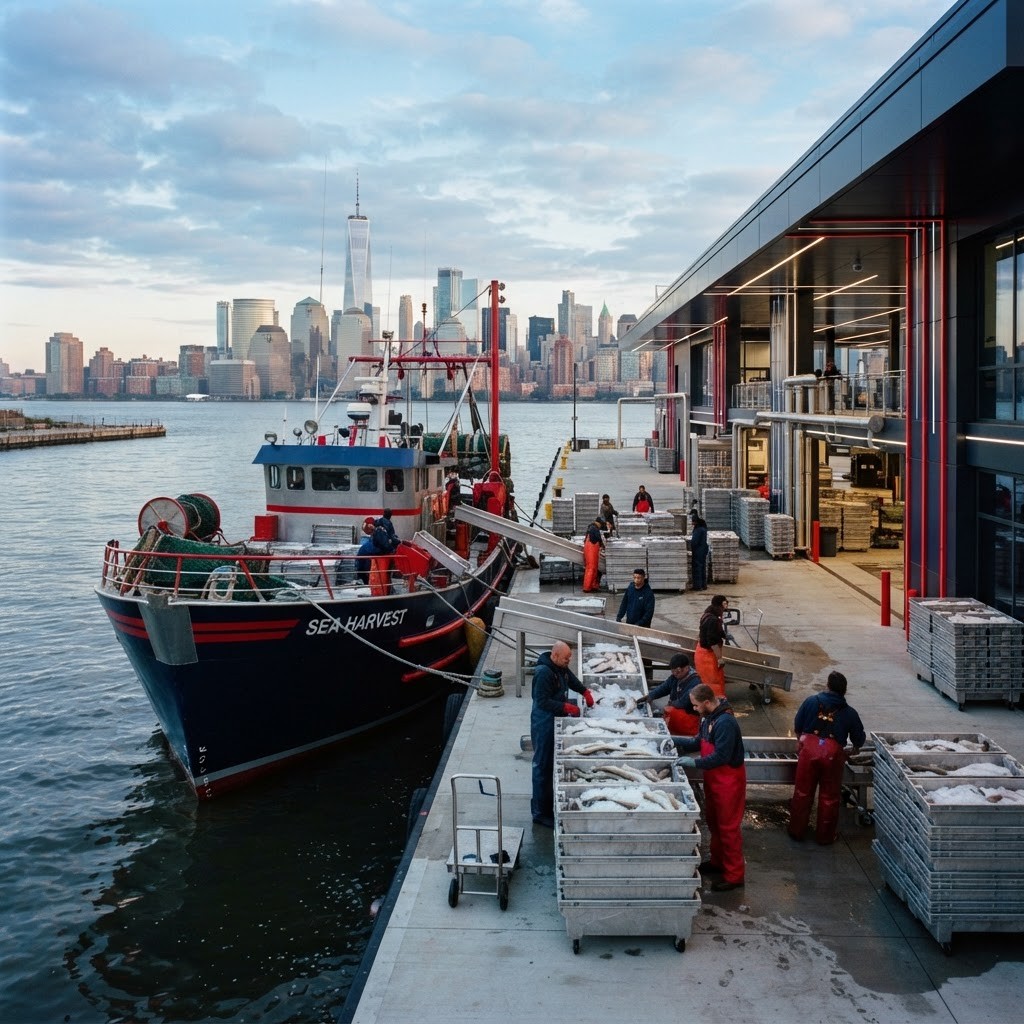
New York’s seafood economy extends from Long Island fishing ports to the Fulton Fish Market and sophisticated urban distributors. Restaurants, retailers, institutions, and consumers depend on a cold chain that moves quickly while preserving quality and safety. The term fishery company can include harvesters, aquaculture farms, processors, and distributors; this list intentionally reflects that range. Buyers should verify current species, origin, certifications, and service areas because availability changes with seasons and quotas.
1. Baldor Specialty Foods
Baldor Specialty Foods distributes seafood alongside produce and specialty foods to restaurants and institutions. Consolidated delivery is valuable in New York, where receiving windows and kitchen space are limited. Its seafood program can help chefs coordinate purchasing across categories. Buyers should compare cut specifications, origin information, pack sizes, delivery frequency, and quality procedures for each product.
2. Pierless Fish
Pierless Fish is a Brooklyn-based seafood distributor known within the restaurant community. The company’s proximity to New York kitchens supports responsive service and a market-aware selection. Chef-focused distributors distinguish themselves through accurate grading, custom preparation, and candid advice about seasonal alternatives. Such communication can help restaurants maintain menu quality when a preferred species is unavailable.
3. Greenpoint Fish & Lobster
Greenpoint Fish & Lobster combines wholesale activity with a consumer-facing seafood presence. Its model emphasizes transparent sourcing and careful handling, helping customers understand where seafood comes from. This connection between trade expertise and public education is a meaningful differentiator. Buyers interested in sustainable menus should still evaluate claims species by species, because fishing method and location matter.
4. Blue Island Oyster Company
Blue Island Oyster Company is associated with Long Island shellfish and wholesale distribution. Oysters carry a strong sense of place, and New York waters can produce distinctive flavor profiles. Successful shellfish businesses depend on rigorous tagging, temperature control, and harvest-area management. Restaurants should train receiving teams to retain required tags and reject deliveries that do not meet temperature or condition standards.
5. Montauk Catch Club
Montauk Catch Club connects seafood from Long Island’s working waterfront with customers seeking regional catch. Shorter supply chains can strengthen traceability and highlight underused local species. The model supports fishing communities while giving buyers a clearer seasonal story. Flexibility is essential: a local program works best when chefs and consumers can adapt to what responsible harvesters land.
6. LocalCoho
LocalCoho developed land-based aquaculture in upstate New York focused on coho salmon. Recirculating aquaculture systems aim to manage water, biosecurity, and growing conditions in a controlled environment. Domestic production can offer predictable specifications and reduced transportation distance to Northeast markets. Buyers should evaluate environmental performance, feed practices, harvest timing, and product consistency alongside flavor and price.
7. Hudson Valley Fisheries
Hudson Valley Fisheries is known for land-based steelhead production in New York. Its controlled system illustrates the state’s growing role in modern aquaculture. The company offers a regional alternative to fish transported from distant production areas. For foodservice buyers, dependable portioning, fresh shelf life, and a credible production narrative can support both kitchen operations and menu communication.
8. Peeko Oysters
Peeko Oysters cultivates oysters on Long Island’s North Fork. Small aquaculture producers contribute habitat benefits because oysters filter water while growing, although outcomes depend on local management. The brand’s regional character appeals to restaurants that want a specific merroir. Buyers should ask about size grades, seasonality, harvest schedules, salinity, and handling after harvest.
9. Haskell’s Seafood
Haskell’s Seafood is connected to Long Island’s fishing heritage and supplies local seafood. Businesses rooted in working ports can provide direct knowledge about landings, weather, and seasonal conditions. That immediacy is valuable for chefs seeking freshness and authenticity. Customers should build flexible purchasing plans because wild harvests naturally vary, and forcing fixed supply can undermine the benefits of local sourcing.
10. New Fulton Fish Market Cooperative Vendors
The New Fulton Fish Market at Hunts Point hosts numerous independent wholesalers rather than operating as one fish company. Collectively, its vendors form a central node in the region’s seafood trade, offering broad species coverage and early-morning commerce. Professional buyers can compare quality and price in one market. Vendor relationships, inspection skill, and clear specifications are crucial in this fast-moving environment.
How to Evaluate Seafood Suppliers
Temperature records, sanitation, traceability, and recall readiness should come before price. Ask suppliers to identify harvest area, fishing or farming method, catch date when available, and whether a product was previously frozen. Examine odor, texture, eyes, gills, shell condition, and packaging integrity at receiving. Buyers should also understand net weight after ice, trim yield, and portion consistency, which determine true plate cost.
Trends in New York Seafood
Local aquaculture, underused species, frozen-at-peak products, and digital traceability are reshaping the market. Consumers want sustainability information, but simplified labels can obscure tradeoffs. Credible suppliers provide specific sourcing details and suggest responsible substitutions. New York’s best seafood partners combine quality with honesty: they protect the cold chain, respect seasonality, and help buyers make choices that work for both the menu and the marine environment.
