
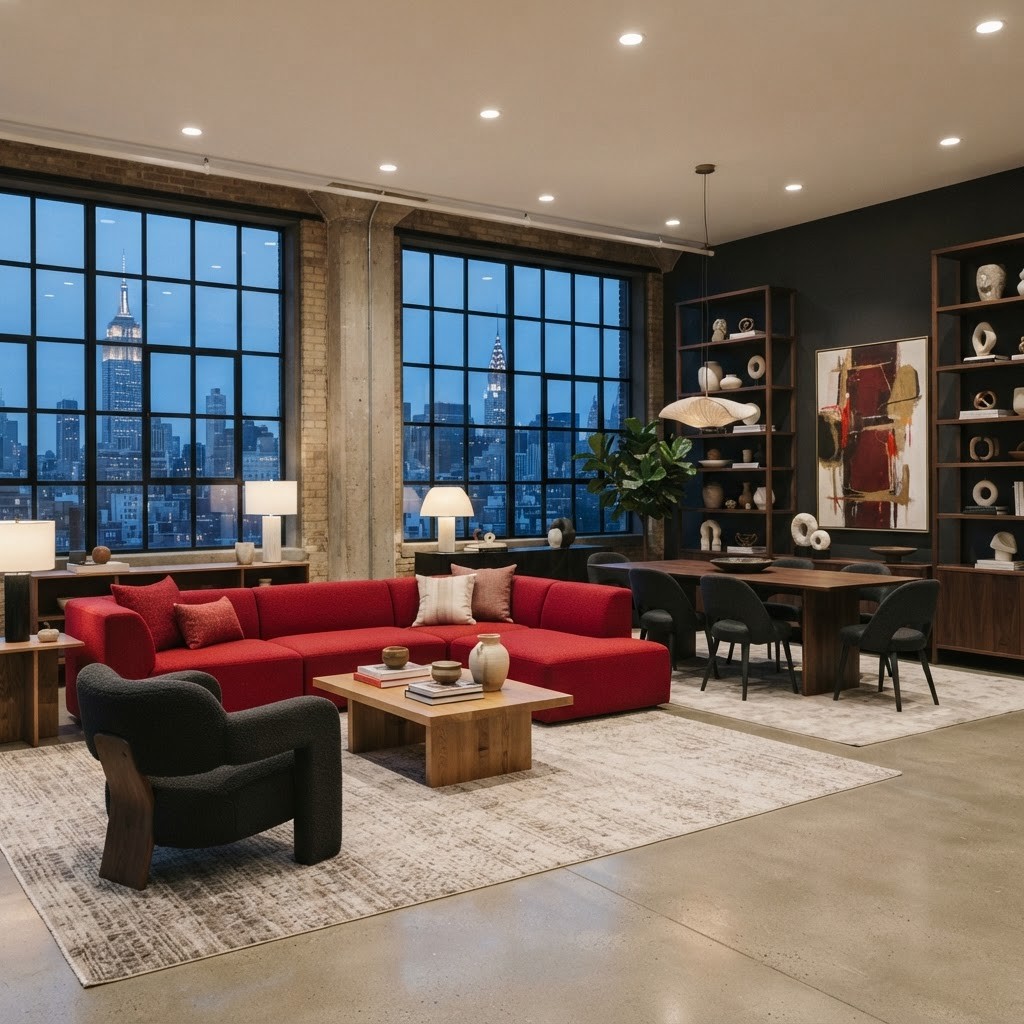
Finding the Best Options in New York
Furnishing a New York home requires a special kind of planning. Rooms may be compact, elevators narrow, stairways challenging, and every object expected to justify the space it occupies. The best furniture stores understand scale, delivery logistics, durability, and the need for pieces that perform more than one function.
Current demand favors modular seating, expandable dining tables, hidden storage, rounded silhouettes, natural materials, and vintage pieces with character. Shoppers are also paying closer attention to lead times, repairability, material sourcing, and whether furniture can adapt to a future move.
What Makes a Brand or Store Stand Out
Quality is only one part of a useful recommendation. Selection, consistency, service, value, product knowledge, and relevance to New York life all matter. A premium name may justify its price through materials and aftercare, while an accessible brand may stand out by making good design available to more people. The following list is not a rigid ranking; it is a practical guide to ten established choices with different strengths.
1. Design Within Reach
Design Within Reach offers licensed modern classics and contemporary furniture from established designers. It is a strong resource for customers who value provenance, enduring forms, and coordinated collections.
2. Room & Board
Room & Board is known for practical modern furniture, dependable construction, and many size or upholstery choices. Its clean designs work particularly well in apartments where visual calm and efficient proportions matter.
3. West Elm
Brooklyn-born West Elm combines contemporary furniture, lighting, rugs, and accessories at a broad range of price points. Compact and multifunctional designs make the assortment accessible to city residents.
4. ABC Carpet & Home
ABC Carpet & Home presents furniture and decor with a richly layered, global perspective. Shoppers visit for distinctive rugs, artisan pieces, upholstery, lighting, and rooms that feel collected rather than standardized.
5. Herman Miller
Herman Miller is a key destination for ergonomic office furniture and influential modern designs. Its task chairs and workspace systems are especially relevant as many New Yorkers create serious home offices in limited space.
6. Knoll
Knoll represents modern design through architectural tables, seating, storage, and workplace furniture. The brand suits buyers looking for disciplined forms, high-quality materials, and long-term professional use.
7. Blu Dot
Blu Dot creates approachable contemporary furniture with clever engineering and a playful edge. Its streamlined sofas, tables, beds, and storage pieces are designed with urban interiors in mind.
8. CB2
CB2 offers fashion-forward furniture and decor with sculptural shapes, polished materials, and compact options. It is useful for shoppers who want a more dramatic contemporary look without entering the collectible-design market.
9. Industry West
Industry West curates modern and industrial-influenced seating, tables, lighting, and accessories. The collection works well in lofts and in homes that mix clean new pieces with vintage texture.
10. The Future Perfect
The Future Perfect sits at the collectible end of the market, presenting limited-production furniture and objects by notable contemporary designers. It is as much a source of creative inspiration as a place to acquire statement pieces.
How to Choose the Right Option
Measure doors, hallways, elevators, turns, and the final room before ordering. Use painter’s tape to mark the footprint, request material samples, and verify delivery responsibilities. A sofa may fit the room but fail to reach it. Prioritize the pieces touched every day, especially seating, mattresses, desks, and dining surfaces, then add decorative objects gradually so the home remains functional rather than overcrowded.
Shopping Smarter in New York
Inventory and service can differ by location, so it is worth confirming that a shop carries the category, size, model, or service needed before making a special trip. Compare total value rather than price alone, including durability, maintenance, warranty support, alterations, delivery, or returns where relevant. New York offers exceptional choice, but a focused list and a clear budget make that choice easier to navigate.
Seasonality also matters. New collections and limited releases can create excitement, while end-of-season periods may offer better value. Whenever possible, inspect materials and construction in person, ask specific questions, and avoid feeling pressured by scarcity. The best purchase is one that remains useful after the novelty of the shopping experience fades.
Understanding Value Beyond the Price Tag
New York shoppers encounter everything from entry-level essentials to rare luxury products, and a higher price does not automatically guarantee a better personal fit. Value comes from the relationship between cost, frequency of use, construction, comfort, and support after purchase. A product used weekly for years may be more economical than an inexpensive alternative replaced several times. Conversely, occasional users may reasonably prefer a simpler option that performs the core task well.
Look closely at the details that reveal care: secure seams and fastenings, consistent finishing, sensible materials, clear instructions, and staff who can explain differences without relying on vague claims. Ask what maintenance is required and whether replacement parts, repairs, refills, or specialist services are available. These questions are especially important in New York, where storage is limited and disposing of a disappointing purchase can be inconvenient. Thoughtful comparison also reduces impulse buying. Take notes or photographs where permitted, step away when uncertain, and evaluate the choice against what is already owned. A strong brand earns trust through consistent experience rather than a single impressive display.
Why Local Context Matters
New York’s density creates unusually demanding conditions and unusually broad choice. Weather, walking, apartment dimensions, neighborhood access, and crowded public transportation can all influence whether a purchase succeeds in daily life. Recommendations should therefore be treated as a starting point. The most satisfying option will combine the reputation of the business with the buyer’s own priorities, routines, and practical constraints.
