
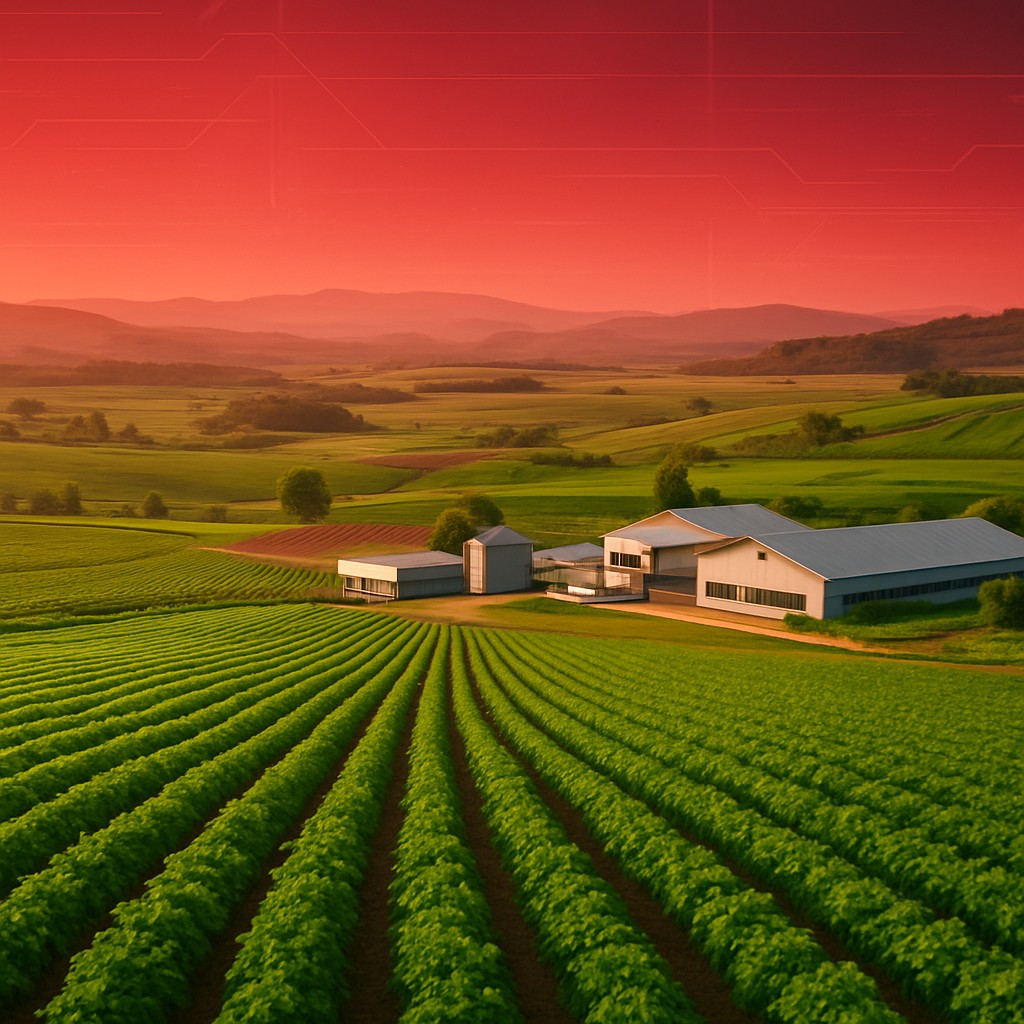
Spain's Agricultural Powerhouse
Spain is one of Europe's most important agricultural nations, blessed with diverse climates, fertile lands, and a long heritage of farming. From the sun-drenched plains of Andalusia to the fertile valleys of the north, Spanish farming companies produce a remarkable variety of crops that feed both domestic and international markets. The country is a global leader in the production of olive oil, citrus fruits, wine grapes, vegetables, and almonds, among many other products.
Farming companies in Spain range from large-scale agribusinesses to specialized producers, all contributing to the nation's reputation as a reliable source of high-quality food. Their operations combine traditional knowledge with modern agricultural techniques, ensuring productivity, quality, and sustainability.
Diverse Crop Specialties
The diversity of Spain's agriculture is one of its greatest strengths. Leading farming companies specialize in a wide array of products, including olives and olive oil, citrus fruits like oranges and lemons, table grapes and wine grapes, tomatoes and other vegetables, almonds, and stone fruits. This variety reflects the country's varied climates and soils, which allow different regions to excel in particular crops.
Many farming companies focus on export-oriented production, supplying fresh produce to markets across Europe and beyond. Their ability to deliver consistent quality and volume makes them trusted suppliers for retailers, distributors, and food processors internationally.
Embracing Innovation and Technology
Spanish farming companies are increasingly adopting advanced technologies to improve efficiency, yield, and sustainability. Precision agriculture, drip irrigation, and data-driven crop management help optimize the use of water and other resources, which is particularly important in a country where water conservation is a priority. Greenhouse cultivation, especially in regions like Almeria, enables year-round production of vegetables and supports Spain's position as a major exporter.
Innovation extends to crop protection, soil health, and harvesting techniques, allowing farming companies to maintain high productivity while reducing environmental impact. This embrace of technology positions Spanish agriculture for continued competitiveness and resilience.
Commitment to Sustainability
Sustainability is a growing focus for Spain's farming companies, driven by environmental concerns, regulatory requirements, and consumer demand for responsibly produced food. Many companies have adopted organic farming methods, integrated pest management, and water-efficient practices to minimize their ecological footprint. Spain is among Europe's leaders in organic farmland, reflecting the sector's commitment to sustainable production.
These sustainable practices not only protect the environment but also enhance the quality and marketability of Spanish agricultural products. Consumers increasingly value food produced with care for the land, and Spanish farming companies are well-positioned to meet this demand.
Contribution to the Economy and Food Security
Farming companies play a vital role in Spain's economy, providing employment, supporting rural communities, and generating significant export revenue. The agricultural sector is a key contributor to the nation's trade balance, with Spanish produce highly regarded in markets worldwide. By maintaining reliable production and high quality, farming companies help ensure food security both domestically and for the regions they supply.
Their investment in innovation and sustainability strengthens the long-term viability of Spanish agriculture, securing the sector's contribution to the economy for generations to come.
Conclusion
Spain's farming companies are at the heart of one of Europe's most productive and diverse agricultural sectors. Through specialization, innovation, and a strong commitment to sustainability, they deliver high-quality crops to markets around the world. As global demand for reliable, responsibly produced food continues to grow, Spain's farming companies remain essential contributors to the nation's economy and to food supply chains across the continent and beyond.
